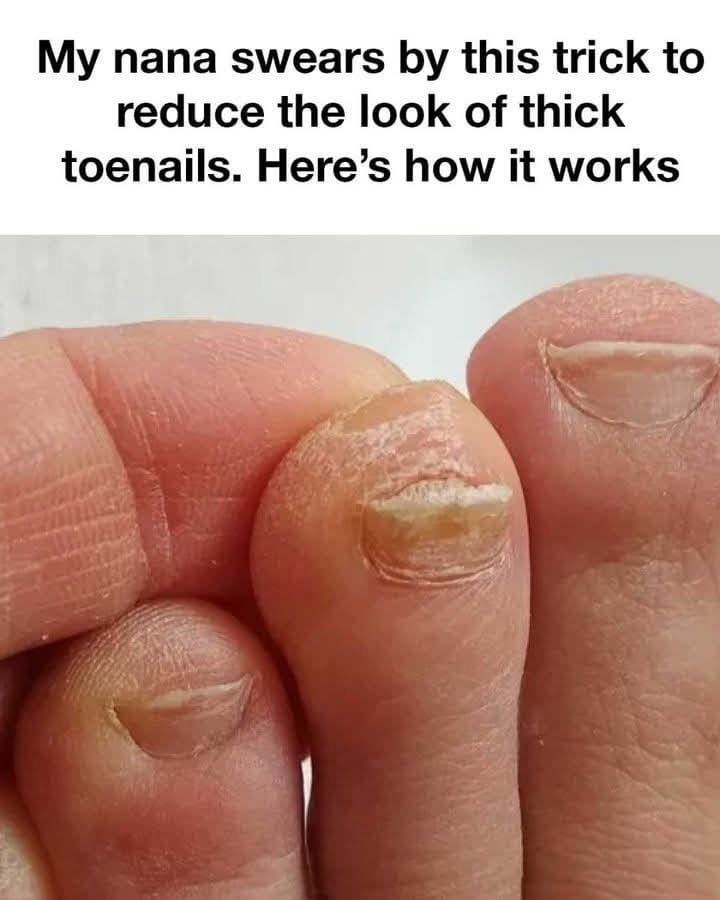
The Ultimate Guide to Managing Thick Toenails: My Nana’s Trusted At-Home Trick and Podiatrist-Approved Care
Thickened toenails can be frustrating, uncomfortable, and difficult to manage with standard clippers. If you have ever struggled with stubborn, rigid nails that resist regular grooming, you are not alone. Across generations, home remedies have been passed down to soften and manage these tough nails safely.
Decoding Thick Toenails: Why Do They Happen?
Before diving into home care solutions, it helps to understand what causes toenails to thicken in the first place. Nail thickness is rarely just a cosmetic annoyance; it is often a sign of underlying physiological shifts or mechanical stress.
-
Fungal Infections (Onychomycosis): The most common culprit, fungal pathogens thrive in warm, dark environments like shoes, invading the nail bed and causing keratin debris to build up underneath.
-
Trauma and Injury: Dropping a heavy object on your toe or experiencing repetitive micro-trauma from running shoes can permanently alter the nail matrix, causing it to grow back thicker.
-
Aging and Circulation: As we age, nail growth slows down, and circulation to the extremities decreases, often resulting in brittle, thickened nails.
-
Systemic Conditions: Conditions like psoriasis, eczema, and diabetes can manifest physically through changes in nail texture and thickness.
Nana’s Trusted Trick: The Warm Soak and Softening Method
Older generations often relied on simple, low-cost maintenance routines that prioritize gentle preparation over harsh tools. Trying to clip thick, dry toenails can cause them to splinter, crack, or damage the surrounding nail bed.
Nana’s method focuses on softening the keratin protein structure of the nail before any trimming takes place:
-
The Therapeutic Soak: Fill a basin with warm water and add a half-cup of Epsom salts along with a few drops of tea tree oil (known for its natural cleansing properties). Soak your feet for 15 to 20 minutes to deeply hydrate and soften the hard nail plate.
-
Gentle Exfoliation and Hydration: Pat your feet completely dry, especially between the toes. Apply a urea-based cream or pure organic coconut oil to the thickened nail surface to lock in moisture and further break down dense keratin layers.
-
Controlled Trimming: Once softened, use sanitized, wide-jaw toenail clippers or nippers. Cut straight across to prevent ingrown toenails, taking small, manageable clips rather than trying to snip the entire thickness at once.
Comparison Table: At-Home Management vs. Professional Podiatry Care
| Feature | At-Home Maintenance (Nana’s Method) | Professional Podiatrist Care |
| Best For | Mild to moderate thickness from age or minor trauma | Severe thickening, infection, or underlying medical conditions |
| Cost | Low (Epsom salts, basic tools, oils) | Moderate to high (insurance-dependent) |
| Equipment | Standard soaking basin, moisturizing cream, sanitized clippers | Medical-grade electric burrs, specialized sterilizers |
| Safety Risk | Low if done gently; moderate if aggressive | Extremely low (performed by clinical experts) |
Pros and Cons of At-Home Toenail Softening
Pros:
-
Inexpensive and easy to implement using everyday household items.
-
Provides immediate relief from the discomfort of rigid, shoe-pressing nails.
-
Improves the aesthetic appearance of the toes safely.
-
Encourages regular foot hygiene and self-care habits.
Cons:
-
Does not cure underlying fungal infections or medical root causes.
-
Requires consistent repetition every few weeks.
-
Can be physically difficult for individuals with limited mobility or flexibility.
Common Mistakes When Dealing with Thick Toenails
-
Mistake 1: Cutting nails when they are completely dry.
-
The Fix: Always soften the nails in a warm foot bath first to prevent painful splintering and jagged edges.
-
-
Mistake 2: Using standard, small fingernail clippers.
-
The Fix: Invest in professional-grade, wide-opening podiatry clippers designed specifically for tough toenails.
-
-
Mistake 3: Ignoring potential fungal infections.
-
The Fix: If yellowing, discoloration, or crumbling accompanies the thickness, consult a healthcare professional rather than relying solely on home care.
-
Expert Insights and Safety Disclaimers
Disclaimer: The following information is for educational purposes and does not substitute for professional medical advice. If you have diabetes, neuropathy, or severe circulatory issues, never attempt aggressive at-home foot care; always consult a licensed podiatrist.
Podiatrists frequently use mechanical reduction (filing down the surface of the nail with a sterile medical burr) to instantly relieve pressure inside footwear. Combining professional treatment with gentle home maintenance yields the best long-term results for foot health.
Frequently Asked Questions
-
Can thick toenails return to normal thickness? If the thickness is caused by an injury or fungal infection, treating the underlying cause or waiting for the nail to completely grow out can restore normal thickness. Age-related thickening, however, is usually permanent and requires ongoing maintenance.
-
What is the best over-the-counter ingredient for softening nails? Urea-based creams (ranging from 20% to 40% concentration) are highly recommended by podiatrists because they effectively break down the dense keratin protein in thick nails.
-
Should I file down my thick toenails? Yes, gently filing the surface of the nail with an emery board or glass nail file after a warm soak can help reduce height safely without cutting too close to the skin.
-
How often should I soak my feet to manage this? Doing a warm Epsom salt soak 1 to 2 times a week is sufficient for keeping nails manageable and feet relaxed.
-
When should I see a doctor for thick toenails? See a podiatrist if you experience pain, signs of infection (redness, pus, warmth), or if you have diabetes or poor circulation.
Action Checklist
-
Do: Soak your feet for at least 15 minutes in warm water before attempting any nail care.
-
Do: Cut toenails straight across to prevent painful ingrown conditions.
-
Do: Consult a medical professional if you suspect a fungal infection or have diabetes.
-
Avoid: Ripping, tearing, or aggressively filing dry, brittle nails.
-
Avoid: Sharing nail clippers with others to prevent the spread of fungal spores.
While Nana’s warm soak trick is a fantastic way to comfortably manage and soften thick toenails at home, combining home care with proper hygiene and professional check-ups ensures your feet stay healthy, comfortable, and pain-free for years to come.