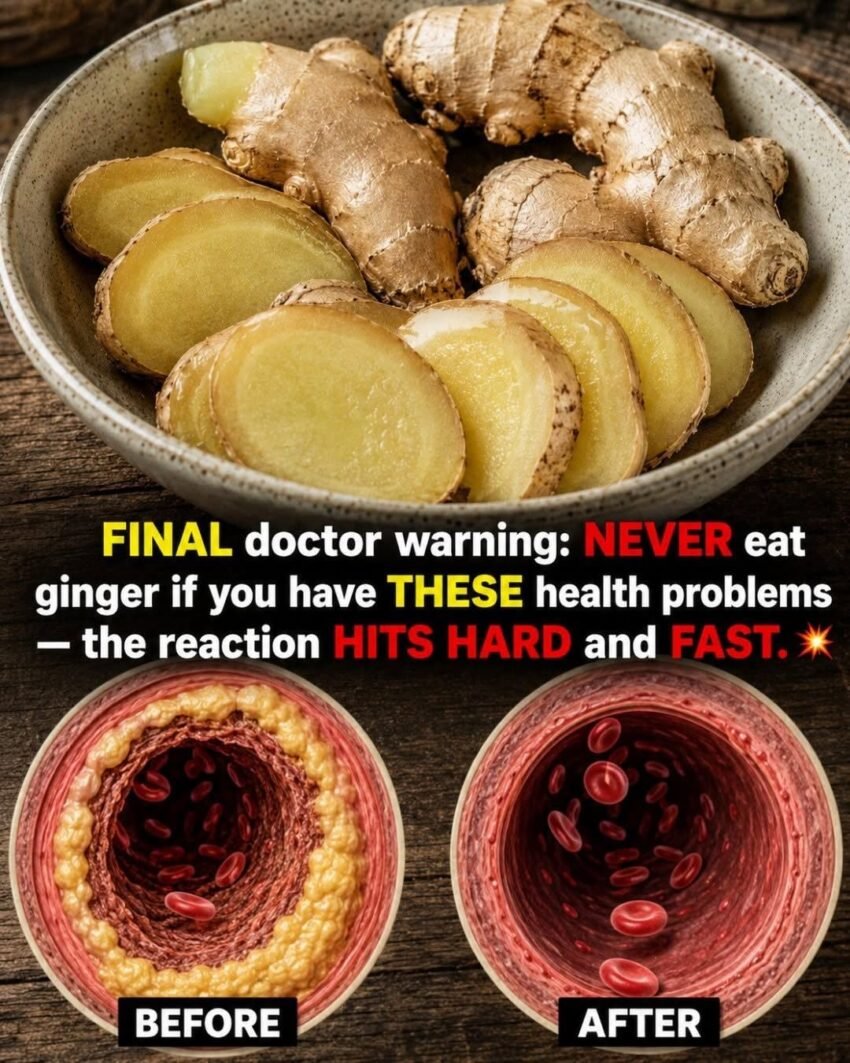
The Surprising Dangers of Ginger: Why This Popular Root Can Backfire on Certain Health Conditions
Discover why this celebrated superfood—praised for centuries for digestion and immunity—can trigger severe physiological reactions, interact dangerously with medications, and worsen specific underlying health conditions if consumed without care.
Walk into any modern wellness kitchen, and you will find ginger front and center. Whether grated fresh into morning tea, blended into cold-pressed green juices, or taken as a concentrated wellness shot, ginger enjoys an almost unassailable reputation as a health elixir. For centuries, traditional medicine systems have leaned on its warming, pungent properties to soothe an upset stomach, ease motion sickness, and beat back seasonal colds.
Yet, in the world of nutrition and natural health, the mantra “if a little is good, more is better” can be dangerously misleading. Ginger is not a mild green vegetable; it is a pharmacologically active botanical powerhouse loaded with potent bioactive compounds like gingerols and shogaols. These compounds have powerful physiological effects on blood clotting, blood pressure, gastric acid secretion, and blood sugar regulation.
For the average healthy adult, moderate ginger consumption is a wonderful addition to a balanced diet. But for individuals navigating specific medical conditions or taking particular prescription medications, eating ginger—especially in concentrated, high-dose forms—can trigger a fast, severe, and sometimes dangerous reaction.
This deep-dive investigation examines the hidden pharmacological mechanisms of ginger, identifies the exact health scenarios where it becomes a liability, and outlines safe, informed alternatives.
The Pharmacological Power of Ginger: Why It Acts Like a Drug
To understand why ginger can cause adverse reactions, you have to look at how its active constituents interact with human biochemistry. Ginger is not merely food; it is a bioactive herbal agent that alters bodily functions in several key ways.
Antiplatelet and Blood-Thinned Properties
One of ginger’s most celebrated properties is its ability to improve circulation and prevent blood platelets from clumping together. While this is beneficial for preventing cardiovascular stagnation, it mimics the exact pharmacological mechanism of pharmaceutical blood thinners like aspirin, warfarin, or clopidogrel. When concentrated ginger is introduced into a system already managed by anticoagulants, the risk of bruising, internal bleeding, or prolonged bleeding from minor cuts increases dramatically.
Gastric Acid Stimulation
Ginger stimulates the production of digestive juices and bile, which is why it helps people with sluggish digestion. However, for individuals with compromised stomach linings, active ulcers, or severe acid reflux, this sudden surge of gastric acid can act like a chemical irritant, triggering burning pain, inflammation, and worsening esophageal damage.
Blood Pressure and Glucose Modulation
Ginger possesses natural vasodilating properties, helping to relax blood vessels and lower blood pressure. It also influences insulin sensitivity, helping to bring down blood sugar levels. While helpful for many, this creates a precarious balancing act for individuals already struggling with chronic low blood pressure or those taking strict insulin-regulating medications, risking sudden hypoglycemic or hypotensive crashes.
The Four Health Profiles That Must Exercise Extreme Caution With Ginger
If you or a loved one fall into any of the following categories, high-dose ginger consumption, concentrated extracts, or raw wellness shots should be approached with extreme caution—or avoided entirely.
1. Individuals Taking Blood-Thinning Medications or Pre-Surgery Patients
Because ginger naturally inhibits platelet aggregation, consuming it alongside anticoagulant or antiplatelet drugs creates an overlapping pharmacological effect.
-
The Reaction: Uncontrolled bruising, nosebleeds, or severe bleeding complications during unexpected trauma or scheduled surgical procedures. Surgeons routinely advise patients to stop consuming concentrated garlic, ginger, and turmeric supplements at least two weeks prior to any operation.
2. People with Gallstones or Active Biliary Tract Obstructions
Ginger stimulates the gallbladder to contract and release stored bile to aid in digesting dietary fats.
-
The Reaction: If a person has existing gallstones, sudden gallbladder contractions triggered by high-dose ginger can force a stone to lodge painfully in the bile duct, resulting in acute biliary colic, severe upper abdominal pain, and potential medical emergencies.
3. Those Suffering from Severe Acid Reflux, Gastritis, or Stomach Ulcers
While ginger is often recommended for mild nausea, its spicy, pungent nature acts as a mucosal stimulant.
-
The Reaction: In stomachs with compromised mucosal linings or open ulcers, concentrated ginger can cause a sharp burning sensation, severe gastric irritation, and heightened inflammation, counteracting any soothing benefits.
4. Individuals Managed on Blood Pressure or Diabetes Medications
Because ginger has intrinsic blood-pressure-lowering and blood-sugar-lowering capabilities, combining it with potent pharmaceutical interventions can cause additive effects.
-
The Reaction: Episodes of dizziness, lightheadedness, and profound fatigue caused by sudden drops in blood pressure (hypotension) or dangerously low blood sugar (hypoglycemia).
Comparative Overview: When Ginger Helps vs. When It Harms
| Health Scenario | Effect of Moderate Culinary Ginger | Effect of Concentrated/High-Dose Ginger | Physiological Risk Factor |
| Healthy Cardiovascular System | Supports microcirculation and mild vasodilation | Excessive blood-thinning synergy | Potential bruising or bleeding risk if combined with meds |
| Normal Digestion | Stimulates gastric juices gently | Severe mucosal irritation in sensitive stomachs | Worsened heartburn, ulcers, or gastritis flare-ups |
| Normal Gallbladder Function | Aids in healthy fat breakdown | Triggers intense gallbladder contractions | Risk of acute biliary pain if gallstones are present |
| Stable Blood Sugar / Pressure | Supports balanced metabolic markers | Potentiates prescription medications | Risk of sudden hypotension or hypoglycemia drops |
The Hidden Dangers of Concentrated Wellness Shots and Extracts
The modern wellness industry has normalized the consumption of hyper-concentrated plant extracts. Drinking a two-ounce ginger wellness shot at a local juice bar delivers the equivalent of eating several raw cups of whole ginger root in a single gulp.
This massive surge of volatile oils (such as gingerol and zingiberene) overwhelms the digestive tract and floods the bloodstream with active compounds before the body can safely metabolize them. While cooking ginger in a soup or steeping a thin slice in warm tea diffuses and mellows these compounds, raw juice shots and high-potency herbal capsules bypass natural culinary moderation, triggering the fast, severe reactions that catch consumers off guard.
Common Mistakes When Using Herbal Remedies
Assuming that “natural” automatically means “safe for everyone” is one of the most common mistakes in modern wellness culture.
Mistake 1: Treating Culinary Herbs Like Pharmaceuticals
People often start taking concentrated herbal supplements or extracts to target a specific ailment without checking for interactions with their existing prescription drugs.
-
The Fix: Always treat concentrated herbal extracts with the same analytical caution you would give an over-the-counter pharmaceutical drug.
Mistake 2: Ignoring Subtle Body Signals
If you experience a burning sensation in your chest, unusual bruising, or lightheadedness after incorporating a new herbal tonic into your routine, dismissing it as “detox symptoms” can be dangerous.
-
The Fix: Listen to your body’s feedback loops. Sharp pain or sudden physical discomfort is a clear signal to stop and re-evaluate.
Mistake 3: Failing to Disclose Supplements to Physicians
Many patients neglect to tell their primary care doctors or specialists about the daily herbal teas, extracts, or wellness shots they consume.
-
The Fix: Bring a complete list of every supplement, herb, and tonic to your medical appointments to ensure your clinical care team has total visibility.
Expert-Level Insights: The Bioavailability Trap
Pharmacokinetic studies show that the active constituents of ginger are absorbed rapidly into the upper gastrointestinal tract and undergo extensive first-pass metabolism in the liver. When consumed in extreme isolation via high-potency supplements, these compounds can temporarily inhibit hepatic enzymes responsible for clearing other medications out of your system. This metabolic bottleneck is why botanical-drug interactions can occur so rapidly and catch individuals completely unaware.
Mini Case Scenario: Arthur’s Unexpected Morning Routine
Take the experience of Arthur, a 71-year-old retiree from Oregon who prided himself on staying proactive about his health. After reading an online article about natural anti-inflammatory foods, Arthur decided to start every morning by drinking a commercial raw ginger-and-lemon wellness shot, while continuing to take his prescribed daily blood thinner (warfarin) and blood pressure management medication.
Within five days, Arthur noticed unusual, large purple bruises forming on his forearms after minor bumps, accompanied by persistent lightheadedness and mild stomach burning after breakfast. Concerned, he mentioned his new morning routine to his cardiologist during a routine checkup.
Blood work revealed that his international normalized ratio (INR)—the measure of how fast his blood clots—had spiked dangerously out of safe therapeutic ranges due to the synergistic blood-thinning effect of the concentrated ginger interacting with his medication. Once Arthur discontinued the raw ginger shots and adjusted his routine under his doctor’s guidance, his markers stabilized. The experience taught him a vital lesson: even the healthiest whole foods require context and caution when medical variables are present.
Frequently Asked Questions
Is cooked or steeped ginger safer than raw ginger juice?
Yes. Cooking, baking, or steeping ginger in hot water breaks down and softens many of the harsher, volatile compounds, making it much gentler on the stomach lining and less intensely potent in the bloodstream than raw juice shots or concentrated extracts.
Can pregnant women consume ginger safely?
Ginger is widely and safely used in small, culinary amounts to manage morning sickness during early pregnancy. However, high-dose ginger supplements during pregnancy are generally discouraged by obstetricians due to theoretical concerns regarding uterine stimulation and blood-clotting effects.
Does ginger interact with aspirin or ibuprofen?
Yes. Both aspirin and ibuprofen (NSAIDs) have natural blood-thinning and stomach-irritating properties. Combining them with high-dose or concentrated ginger increases the risk of gastrointestinal bleeding, ulcers, and bruising.
What are the signs that I am having a negative reaction to ginger?
Immediate warning signs include a burning sensation in the throat or stomach, unusual acid reflux, sudden lightheadedness, unexplained bruising, or prolonged bleeding from minor cuts.
How much ginger is safe for the average person daily?
For healthy adults without contraindications, clinical guidelines generally suggest that up to 1 to 4 grams of fresh ginger root per day (roughly equivalent to a teaspoon of freshly grated root) is safe when consumed as part of normal food preparation.
Can ginger cause allergic skin reactions?
While rare, direct contact with raw ginger juice or concentrated essential oils can cause contact dermatitis, skin rashes, or mouth irritation in individuals who have a specific sensitivity or allergy to members of the Zingiberaceae family.
Should I stop eating ginger entirely if I have high blood pressure?
Not necessarily. Mild culinary amounts used in cooking are generally safe and beneficial. The caution applies specifically to high-dose extracts, supplements, or raw juice shots taken alongside potent hypertension medications.
Why do some health websites recommend ginger for everything without mentioning risks?
Many wellness articles focus exclusively on general population averages and historical folklore, overlooking individual pharmacokinetics, underlying medical conditions, and modern pharmaceutical drug interactions.
Action Checklist
-
Audit Your Intake: Differentiate between mild culinary use in food and high-potency raw juice shots or herbal extracts.
-
Review Medications: Check with your physician or pharmacist if you take blood thinners, blood pressure drugs, or diabetes medications before adding concentrated herbs.
-
Listen to Your Stomach: Stop immediately if you experience burning, heartburn, or gastric discomfort after consuming ginger.
-
Disclose to Your Doctor: Always share your complete supplement and herbal routine with your medical care team prior to surgeries or routine checkups.
-
Opt for Milder Forms: Choose warm ginger tea or lightly cooked food preparations rather than raw, concentrated shots if you have a sensitive constitution.
Ginger remains one of nature’s most fascinating and beneficial botanicals, offering remarkable support for millions when used with wisdom and moderation. However, treating a potent biological root like an everyday harmless candy can lead to fast, severe, and unwanted physiological reactions. By understanding your unique health profile, respecting your body’s warning signals, and recognizing the boundary between food and pharmacology, you can enjoy the gifts of nature safely and intelligently.
Have you ever experienced an unexpected reaction to a popular health tonic or herbal remedy? Share your thoughts in the comments below.