What Actually Helps Your Body Protect Itself: A Science-Backed “Cell Health” Routine for Long-Term Wellness
Learn how your body naturally protects itself from disease. Discover evidence-based nutrition, lifestyle habits, and eye health strategies that support long-term wellness.
The Idea That Sounds Simple… But Isn’t True
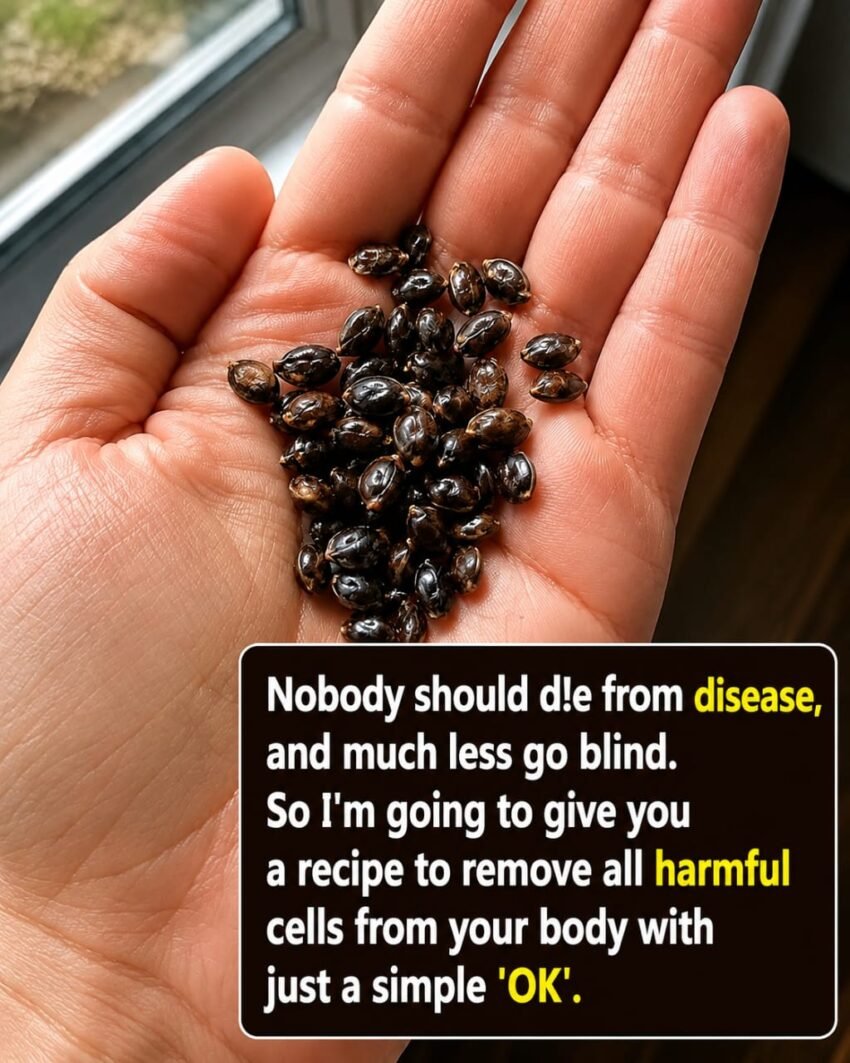
You’ve probably seen dramatic claims online:
“If you eat this, you’ll remove all harmful cells from your body.”
Or:
“This one recipe can prevent disease and restore perfect health.”
It’s a powerful idea because it promises control. It suggests that one simple solution can undo something as complex as disease.
But human biology doesn’t work that way.
Your body already has a highly advanced system for identifying and removing abnormal or damaged cells. It operates continuously, without any single food or recipe taking over that role.
That system includes:
- The immune system
- Liver detoxification pathways
- Cellular repair mechanisms
- Natural cell death (apoptosis)
Rather than trying to “erase all harmful cells,” the real goal supported by science is something more realistic:
Support the systems that already protect you.
Your Body Already Has a Built-In Defense System
Every day, your body produces billions of cells—and naturally removes those that are damaged or no longer functioning properly.
This process is called cellular turnover.
It’s essential for:
- Skin renewal
- Immune defense
- Tissue repair
- Overall organ function
When everything is working well, this system is remarkably efficient.
Problems arise not because the system doesn’t exist—but because it can become stressed or impaired by lifestyle, environment, or disease.
What Actually Influences Disease Risk
Medical research consistently shows that long-term health is influenced by multiple factors—not single “cures.”
Key contributors include:
1. Diet Quality
Diets high in processed foods, added sugars, and trans fats are associated with increased inflammation and chronic disease risk.
On the other hand, diets rich in whole foods support overall cellular function.
2. Chronic Inflammation
Inflammation is a natural immune response—but when it becomes chronic, it can affect tissues throughout the body.
Contributors include:
- Poor diet
- Stress
- Lack of sleep
- Sedentary lifestyle
3. Oxidative Stress
This occurs when there’s an imbalance between free radicals and antioxidants.
Your body uses antioxidants from food—not magic recipes—to help manage this balance.
4. Genetics and Age
Some conditions are influenced by inherited risk factors or age-related changes that cannot be eliminated, only managed.
Eye Health: Why Vision Loss Happens
The statement “no one should go blind from disease” reflects a powerful emotional truth—but medically, vision loss can occur for many reasons:
- Diabetes-related complications
- Glaucoma
- Macular degeneration
- Severe infections or injuries
However, many cases are preventable or manageable with:
- Early detection
- Regular eye exams
- Blood sugar control
- UV protection
- Proper nutrition
What Actually Supports “Cellular Health”
Instead of focusing on elimination, science focuses on support and protection.
Here are evidence-based strategies:
1. Eat Antioxidant-Rich Foods
Antioxidants help neutralize oxidative stress.
Found in:
- Berries
- Leafy greens
- Nuts
- Green tea
- Colorful vegetables
2. Prioritize Sleep
Sleep is when your body performs critical repair functions.
Poor sleep is linked to:
- Reduced immune function
- Increased inflammation
- Slower recovery processes
3. Stay Physically Active
Regular movement helps:
- Improve circulation
- Support metabolic health
- Reduce inflammation markers
Even walking daily has measurable benefits.
4. Manage Blood Sugar Stability
Balanced blood sugar helps reduce metabolic stress on cells.
Helpful habits:
- Fiber-rich meals
- Balanced protein intake
- Reduced ultra-processed foods
5. Reduce Chronic Stress
Long-term stress affects hormonal balance and immune response.
Practices like breathing exercises, walking, and downtime matter more than most people realize.
The Myth of “Detoxing Harmful Cells”
The body does not need aggressive “detox” programs to remove harmful cells.
In fact:
- The liver processes waste continuously
- The kidneys filter blood constantly
- The immune system identifies abnormal cells
- Cells naturally die and regenerate
No single food or drink overrides these systems.
A Realistic “Daily Support” Routine
Instead of extreme claims, here’s what actually helps long-term:
Morning
- Hydration
- Balanced breakfast (protein + fiber)
- Light movement
Day
- Whole food meals
- Regular water intake
- Minimal ultra-processed snacks
Evening
- Reduced screen exposure
- Relaxation routine
- Consistent sleep schedule
A Real-Life Example
Consider a 45-year-old office worker experiencing fatigue and poor diet habits.
Instead of using extreme “cleanse” methods, they focused on:
- Eating more vegetables
- Walking 20 minutes daily
- Improving sleep consistency
- Reducing sugary snacks
Over time, they experienced:
- Better energy levels
- Improved metabolic markers
- Fewer digestive issues
No miracle. No instant cure.
Just gradual biological improvement.
When to Seek Medical Attention
Lifestyle changes are supportive—but not replacements for medical care.
Seek professional help if you experience:
- Vision changes or loss
- Persistent fatigue
- Unexplained weight changes
- Chronic pain or inflammation symptoms
- Sudden health changes
Early diagnosis saves vision and lives.
Frequently Asked Questions
Can any food remove harmful cells from the body?
No. Foods support health but do not directly eliminate harmful cells.
What helps the body fight disease naturally?
A healthy immune system supported by good nutrition, sleep, and lifestyle habits.
Can diet prevent blindness?
Some eye diseases can be reduced in risk through nutrition and lifestyle, but not all causes are preventable.
What are the best foods for cellular health?
Fruits, vegetables, whole grains, lean proteins, nuts, and seeds.
Do detox diets work?
The body already has natural detox systems. Extreme detox diets are not medically necessary.
Quick Action Checklist
Do This
✅ Eat whole, nutrient-rich foods
✅ Sleep 7–9 hours regularly
✅ Stay physically active
✅ Manage stress levels
✅ Get regular medical checkups
✅ Protect eye health with screenings
Avoid This
❌ Believing “miracle cure” recipes
❌ Ignoring medical conditions
❌ Extreme detox programs
❌ Skipping professional diagnosis
❌ Relying on unverified health claims
Final Thoughts
Your body is not something that needs dramatic “cleansing” from harmful cells—it is a constantly self-regulating system designed for repair, balance, and protection.
The most powerful approach isn’t elimination.
It’s support.
Small daily habits, repeated consistently, do far more for long-term health than any extreme claim ever could.
There is no recipe that removes all harmful cells or prevents disease instantly—but science clearly shows that nutrition, sleep, movement, and stress management significantly support the body’s natural defense systems over time.