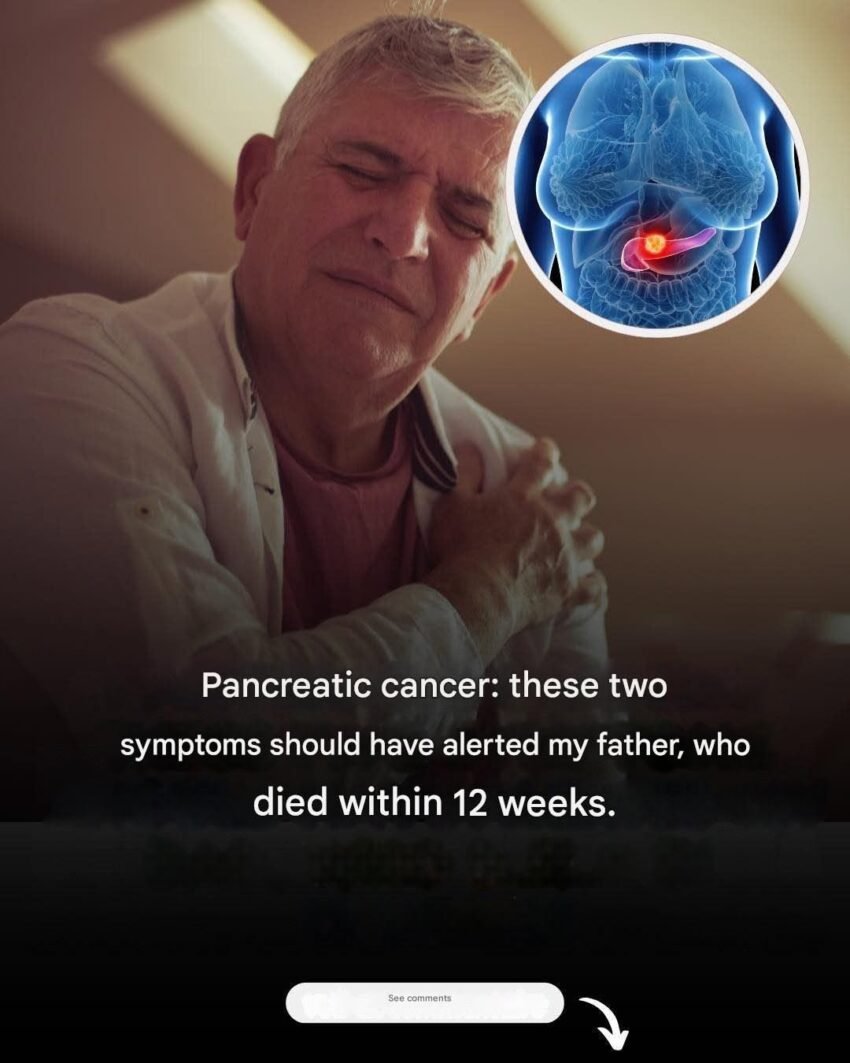
The Silent Killer: Two Early Warning Signs of Pancreatic Cancer You Should Never Ignore
Pancreatic cancer is one of the most feared diagnoses in modern medicine. Often dubbed a “silent killer,” it rarely presents obvious symptoms in its early stages, allowing the malignancy to progress undetected until it reaches advanced, difficult-to-treat phases.
With a notoriously low early-detection rate, catching pancreatic cancer in its formative windows requires an acute awareness of subtle bodily shifts. While standard diagnostic screenings for the pancreas do not exist for the general population, recognizing two specific, early warning signs can prompt life-saving medical investigations before the disease spreads.
Sign 1: Sudden, Unexplained Onset of Type 2 Diabetes
One of the most insidious and non-obvious early red flags of pancreatic cancer is a sudden, unprompted diagnosis of Type 2 diabetes—particularly in individuals over the age of 50 who have no family history of the disease, maintain a stable weight, and have normal lifestyle habits.
The pancreas is responsible for producing insulin, the hormone that regulates blood sugar levels. When a malignant tumor develops in the pancreas, it can disrupt normal endocrine function long before physical pain manifests.
-
The Mechanism: Researchers at institutions like MD Anderson Cancer Center have found that pancreatic tumors often secrete specific proteins that induce insulin resistance in the body’s tissues.
-
The Red Flag: If you experience a sudden, unexplainable spike in blood sugar levels later in life, do not write it off as standard adult-onset diabetes. A thorough oncological workup to rule out pancreatic anomalies is critical, as correcting blood sugar alone may mask the true underlying cause.
Sign 2: Painless Jaundice Accompanied by Dark Urine
While many digestive issues cause discomfort, the sudden appearance of painless jaundice is one of the most clinically reliable indicators of a blockage in the biliary system—frequently caused by a tumor situated in the head of the pancreas.
Jaundice manifests as a yellowing of the skin and the whites of the eyes. Unlike hepatitis or gallstones, which are typically accompanied by severe abdominal pain, nausea, or fever, pancreatic-induced jaundice is often entirely painless in its initial stages.
-
The Mechanism: As a tumor grows near the common bile duct, it pinches or obstructs the pathway, preventing bile from flowing properly into the small intestine. This backup forces bilirubin—a yellow pigment—to leak into the bloodstream and tissues.
-
Associated Clues: Before the skin yellowing becomes prominent, patients frequently notice two distinct changes: urine that turns the color of dark cola (due to excess bilirubin excretion) and stools that become unusually pale, clay-colored, or greasy.
Why Early Detection Fails and How to Advocate for Yourself
The primary challenge with pancreatic cancer is anatomical. Because the pancreas is tucked deep behind other organs in the upper abdomen—near the stomach, liver, spleen, and small intestine—early tumors cannot be felt during a routine physical examination. Standard blood panels also rarely flag early pancreatic dysfunction.
If you or a loved one experience persistent, unexplained digestive disturbances, sudden weight loss paired with elevated blood sugar, or the onset of painless jaundice, standard primary care tests may not be enough. Advocate for advanced imaging, such as a specialized contrast-enhanced CT scan or an endoscopic ultrasound, which provide the high-resolution views necessary to inspect the pancreatic tissue directly.
Listening to subtle physiological anomalies can dramatically alter clinical outcomes. While symptoms like erratic blood sugar or minor digestive shifts are frequently benign, treating them with a high level of vigilance when they appear out of nowhere is essential.
Have you or someone you know ever experienced an unexpected health shift that led to an important early diagnosis? Share your experience in the comments below.