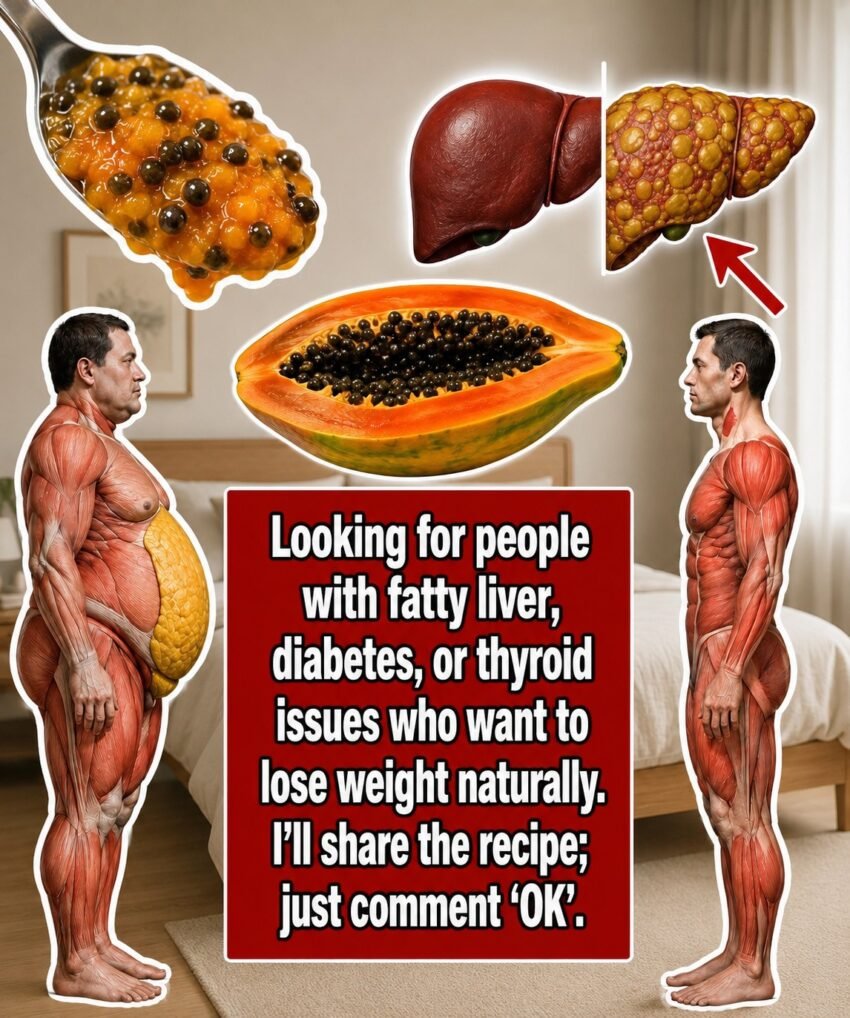
Papaya Is Loved by Almost Everyone — But Its Seeds May Be the Most Powerful Part You’ve Been Throwing Away
Papaya is sweet, refreshing, and nutritious—but its seeds may hold surprising health benefits, risks, and uses most people never knew about.
Papaya Is Loved by Almost Everyone — But Its Seeds May Be the Most Powerful Part You’ve Been Throwing Away
Most people slice open a papaya, scoop out the seeds, and toss them straight into the trash without a second thought.
The soft orange flesh gets all the attention:
sweet flavor, tropical aroma, smooth texture, endless smoothie recipes.
But hidden in the center is something surprisingly controversial.
Those tiny black seeds—slightly bitter, peppery, and strange-looking—have sparked growing interest among nutritionists, wellness enthusiasts, researchers, and home remedy communities alike.
Some people call papaya seeds a “natural detox powerhouse.”
Others warn against eating too many.
And somewhere between the hype and the skepticism lies the truth: papaya seeds are far more interesting than most people realize.
They contain unique plant compounds, digestive enzymes, antioxidants, and nutrients that may support health in ways researchers are still exploring.
But they also come with important cautions many internet articles conveniently ignore.
In this deep dive, you’ll discover:
- What papaya seeds actually contain
- Their potential health benefits and risks
- Why they taste the way they do
- How people around the world use them
- What science currently says
- The biggest mistakes people make
- Safe ways to eat them
- Whether the hype is justified
By the end, you may never look at papaya the same way again.
Why Papaya Became a Global Favorite
Papaya has earned a loyal following for good reason.
It’s:
- Naturally sweet
- Easy to digest
- Hydrating
- Nutrient-rich
- Versatile in recipes
Originally native to Central America and southern Mexico, papaya is now enjoyed across the United States, Asia, South America, the Caribbean, and tropical regions worldwide.
Its popularity exploded partly because it feels indulgent while remaining relatively low in calories.
One cup of fresh papaya delivers:
- Vitamin C
- Vitamin A
- Folate
- Fiber
- Potassium
- Antioxidants
But while the fruit became mainstream, the seeds remained largely ignored.
Until recently.
The Surprising Truth About Papaya Seeds
Papaya seeds are edible.
That fact alone surprises many Americans.
Inside each papaya are dozens—sometimes hundreds—of small black seeds coated in a gelatin-like layer.
Their taste is completely different from the fruit itself.
Instead of sweetness, they deliver:
- Peppery heat
- Slight bitterness
- Sharp earthiness
Some people compare them to:
- Black peppercorns
- Mustard
- Wasabi-like spice
That unusual flavor comes from natural compounds inside the seeds, particularly glucosinolates and benzyl isothiocyanate.
These compounds are also found in cruciferous vegetables like:
- Broccoli
- Cabbage
- Brussels sprouts
And they’re one reason researchers have become interested in papaya seeds nutritionally.
What Nutrients Are Found in Papaya Seeds?
Papaya seeds contain a surprisingly complex nutritional profile.
They include:
- Healthy fats
- Fiber
- Polyphenols
- Flavonoids
- Enzymes
- Trace minerals
One especially important enzyme is papain.
Papain helps break down proteins and supports digestion. It’s one reason papaya itself is often recommended after heavy meals.
The seeds also contain antioxidant compounds that help combat oxidative stress in the body.
Oxidative stress has been linked to:
- Aging
- Inflammation
- Cellular damage
- Chronic disease development
That doesn’t make papaya seeds a miracle food.
But it does make them nutritionally significant.
Potential Health Benefits of Papaya Seeds
Research into papaya seeds is still developing, and many studies remain preliminary or animal-based.
Still, several possible benefits have attracted scientific interest.
1. Digestive Support
Papaya seeds contain enzymes and fiber that may help digestion.
Some people report:
- Reduced bloating
- Easier bowel movements
- Less heaviness after meals
Papain may help the body break down dietary protein more efficiently.
This is one reason papaya is often included in tropical digestive tonics.
2. Antioxidant Protection
Papaya seeds contain antioxidants that may help reduce free radical damage.
Antioxidants support cellular health and may contribute to:
- Healthy aging
- Reduced inflammation
- Immune support
Fruits and seeds rich in antioxidants are consistently associated with better long-term health outcomes.
3. Potential Antimicrobial Properties
Some laboratory studies suggest papaya seed extracts may have antimicrobial effects against certain bacteria and parasites.
This has led to traditional medicinal use in parts of:
- Africa
- Asia
- South America
However, this area requires much more human research before firm conclusions can be made.
4. Liver Health Interest
Some early studies have explored papaya seeds for possible liver-supportive properties.
Traditional remedies in certain cultures use crushed papaya seeds for liver cleansing practices.
But this is where caution becomes critical.
Internet wellness culture often exaggerates limited research into dramatic health claims.
There is currently insufficient evidence to treat papaya seeds as a medical therapy.
Why Papaya Seeds Became Popular in Wellness Culture
Social media dramatically amplified interest in papaya seeds.
Videos and blogs began claiming they could:
- “Detox the body”
- Burn fat
- Eliminate parasites
- Reverse inflammation
- Cleanse the liver
Some claims became wildly exaggerated.
This happens frequently in wellness trends:
a real nutritional property gets transformed into a miracle cure narrative.
The truth is more balanced.
Papaya seeds may support health as part of a nutritious diet—but they are not magic.
No food replaces:
- Medical care
- Balanced nutrition
- Sleep
- Exercise
- Stress management
Important Risks and Side Effects Most Articles Ignore
This section matters.
Papaya seeds are natural—but “natural” does not automatically mean harmless in unlimited amounts.
Overconsumption may create problems.
1. Digestive Irritation
Because of their potency and fiber content, eating too many papaya seeds can cause:
- Stomach discomfort
- Nausea
- Diarrhea
- Digestive irritation
Moderation is essential.
2. Potential Fertility Concerns
Some animal studies have explored possible fertility-related effects from excessive papaya seed consumption.
Human evidence remains limited and inconclusive.
Still, pregnant individuals or those trying to conceive should consult healthcare professionals before consuming large amounts regularly.
3. Interaction With Medical Conditions
People with digestive disorders or certain medical conditions should avoid self-treating with concentrated papaya seed remedies.
Always prioritize evidence-based medical advice over viral health trends.
How To Eat Papaya Seeds Safely
If you want to try papaya seeds, moderation is the smartest approach.
Most people start with:
- ½ teaspoon
- Up to 1 teaspoon occasionally
Common ways to consume them include:
Raw
Scooped directly from fresh papaya.
Dried and Ground
Used like pepper seasoning.
Blended Into Smoothies
Often mixed with sweeter fruits to soften the sharp flavor.
Salad Topping
Adds crunch and spice.
What Do Papaya Seeds Taste Like?
This surprises many first-time tasters.
Papaya flesh is sweet and mellow.
The seeds are not.
Their flavor is:
- Peppery
- Slightly bitter
- Sharp
- Earthy
Some people love the contrast.
Others immediately spit them out.
Taste perception varies dramatically depending on:
- Genetics
- Food exposure
- Spice tolerance
Why Americans Are Becoming More Interested in Functional Foods
Papaya seeds fit into a much larger trend.
Consumers increasingly want foods that offer more than basic nutrition.
This “functional food” movement includes interest in:
- Fermented foods
- Adaptogens
- Superfoods
- Gut-health ingredients
- Anti-inflammatory diets
Americans are paying closer attention to:
- Digestive wellness
- Ingredient transparency
- Natural compounds
- Preventive health habits
That curiosity partly explains why overlooked foods like papaya seeds suddenly gain attention online.
The Difference Between Nutrition and Hype
This distinction matters.
A food can be nutritious without being miraculous.
Papaya seeds contain beneficial compounds.
That’s real.
But social media often turns promising foods into exaggerated health mythology.
Warning signs of hype include claims like:
- “One tablespoon cures everything”
- “Doctors hate this fruit”
- “Secret ancient miracle”
- “Detoxes your body instantly”
Reliable health information rarely sounds dramatic.
Mini Scenario: The Gym Smoothie Trend Nobody Expected
A fitness coach in California started adding small amounts of ground papaya seed to protein smoothies after hearing about digestive benefits.
At first, clients hated the flavor.
But a few enjoyed the peppery kick and began experimenting with tiny amounts alongside pineapple, mango, and ginger.
Soon, the trend spread through local wellness groups—not because people believed in miracle cures, but because they liked exploring nutrient-dense ingredients creatively.
That’s how many food trends actually grow:
through curiosity, experimentation, and social influence.
Comparison Table: Papaya Flesh vs Papaya Seeds
| Feature | Papaya Flesh | Papaya Seeds |
|---|---|---|
| Taste | Sweet, tropical | Peppery, bitter |
| Texture | Soft and juicy | Crunchy |
| Main Nutrients | Vitamin C, fiber | Antioxidants, healthy fats |
| Popular Use | Smoothies, fruit bowls | Seasoning, wellness recipes |
| Digestive Role | Hydrating and soothing | Enzyme-rich and stimulating |
| Consumer Familiarity | Very common | Often overlooked |
Common Mistakes People Make With Papaya Seeds
Mistake #1: Eating Too Many Too Fast
More is not always better.
Starting with large amounts may upset digestion.
Fix: Begin with tiny portions.
Mistake #2: Believing Extreme Internet Claims
Papaya seeds are nutritious—not magical cures.
Fix: Stay skeptical of dramatic health promises.
Mistake #3: Ignoring Flavor Pairing
The seeds are strong-tasting.
Fix: Combine with sweet fruits or savory dishes.
Mistake #4: Using Them Instead of Medical Care
No food should replace proper healthcare.
Fix: Treat them as a dietary addition—not treatment.
Expert-Level Insight: Why Bitter Foods Fascinate Nutrition Researchers
Humans naturally crave sweetness because sweet foods historically signaled safe calories.
Bitterness evolved as a warning sign for potential toxins.
Yet many bitter foods contain powerful plant compounds.
Examples include:
- Dark leafy greens
- Coffee
- Cocoa
- Turmeric
- Green tea
Papaya seeds fall into this category.
Their bitterness may partly explain why they contain concentrated bioactive compounds.
Interestingly, modern diets often minimize bitterness completely—possibly reducing exposure to diverse plant nutrients.
The Future of Papaya Seeds in Food and Wellness
Interest in sustainable nutrition is growing rapidly.
Food companies increasingly explore ways to reduce food waste by repurposing discarded ingredients.
Papaya seeds may eventually appear more frequently in:
- Functional spice blends
- Nutritional powders
- Gut-health products
- Plant-based supplements
- Culinary innovation recipes
But consumers are also becoming more skeptical of wellness hype.
Future trends will likely favor:
- Evidence-based nutrition
- Transparency
- Moderate health claims
And that’s a good thing.
Pros and Cons of Eating Papaya Seeds
| Pros | Cons |
|---|---|
| Rich in antioxidants | Strong flavor may be unpleasant |
| Contains digestive enzymes | Excess intake may irritate digestion |
| May support gut health | Research is still limited |
| Adds unique spice-like flavor | Not suitable for everyone |
| Reduces food waste | Wellness claims are often exaggerated |
Frequently Asked Questions
Are papaya seeds safe to eat?
Yes, in small to moderate amounts for most healthy adults. Excessive consumption may cause digestive discomfort.
What do papaya seeds taste like?
They have a peppery, slightly bitter flavor often compared to black pepper or mustard.
Can papaya seeds help digestion?
They contain papain and fiber, which may support digestion and protein breakdown.
Are papaya seeds a superfood?
They contain beneficial nutrients and antioxidants, but the term “superfood” is mostly marketing language.
Can you eat papaya seeds raw?
Yes. Many people eat them raw, dried, or blended into smoothies.
Do papaya seeds kill parasites?
Some preliminary studies and traditional remedies suggest possible antimicrobial properties, but strong human evidence is limited.
How many papaya seeds should you eat?
Moderation is important. Small amounts—such as ½ to 1 teaspoon occasionally—are generally considered more reasonable than large quantities.
Are papaya seeds good for weight loss?
No food alone causes significant weight loss. Papaya seeds may fit into a healthy diet but are not fat-burning miracles.
Can pregnant women eat papaya seeds?
Pregnant individuals should consult healthcare professionals before consuming papaya seeds regularly due to limited research on safety.
Why do people throw papaya seeds away?
Mostly because they’re unfamiliar, bitter, and very different from the sweet fruit itself.
Action Checklist: How To Try Papaya Seeds Smartly
What To Do
✔ Start with very small amounts
✔ Pair seeds with sweet fruits or smoothies
✔ Treat them as part of a balanced diet
✔ Focus on evidence-based nutrition
✔ Store fresh papaya properly
✔ Stay aware of digestive reactions
✔ Use moderation consistently
What To Avoid
✘ Believing miracle cure claims
✘ Eating excessive amounts immediately
✘ Replacing medical advice with internet trends
✘ Assuming “natural” always means harmless
✘ Ignoring potential side effects
Papaya has long been loved for its sweetness, color, and refreshing tropical flavor.
But the seeds hidden inside tell a more surprising story.
They’re bold, unusual, nutrient-rich, and still somewhat mysterious—sitting at the intersection of nutrition, traditional remedies, and modern wellness curiosity.
Are they magical?
No.
Are they interesting?
Absolutely.
And maybe that’s the bigger lesson.
Sometimes the most overlooked parts of everyday foods hold the most fascinating questions.
Papaya may win people over with sweetness—but its seeds are what truly challenge expectations.