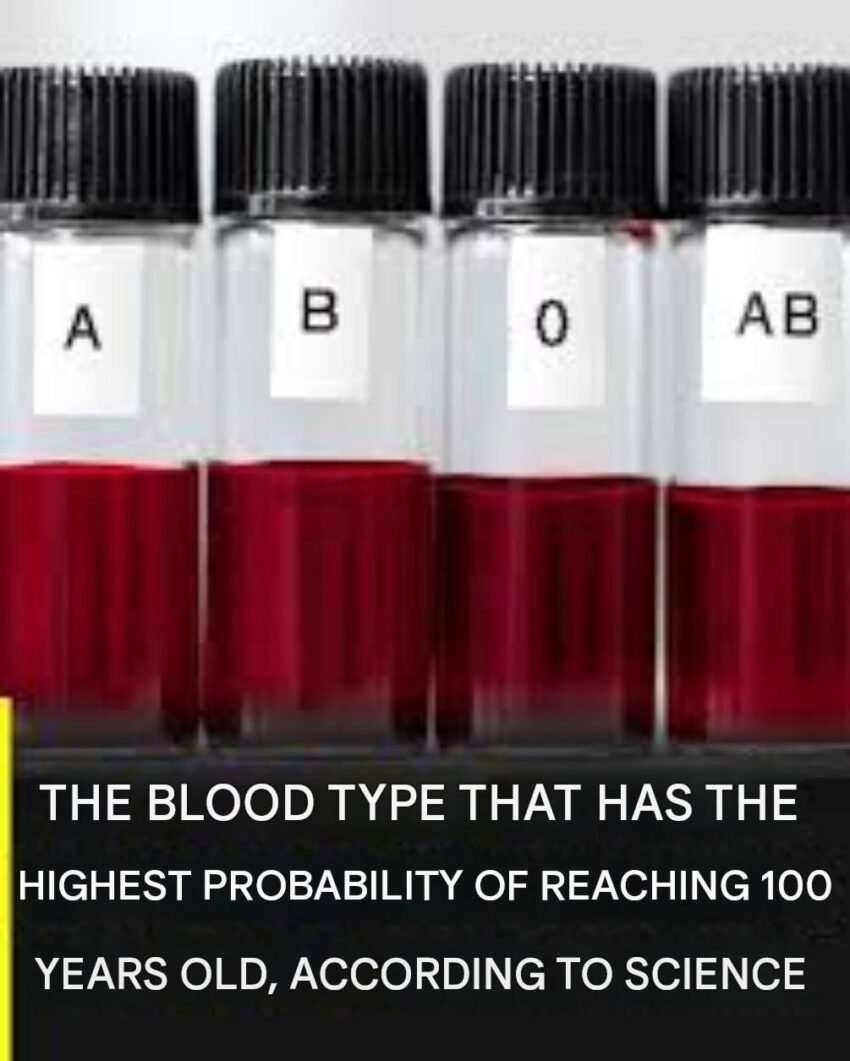
The Myth of the Longevity Blood Type: Separating Fact from Fiction
Viral wellness articles frequently circulate claims that a specific blood type—usually Blood Type O—acts as a biological golden ticket guaranteeing a long life, or that having a different blood type drastically cuts your chances of reaching 100.
While genetic studies on centenarians do occasionally reveal interesting statistical correlations between ABO blood group genes and overall health, no single blood type guarantees or blocks longevity. Human lifespan is a complex interplay of genetics, lifestyle, environment, and sheer biological resilience.
What the Science Actually Says About Blood Type and Health
Large-scale genetic and epidemiological studies have looked at how ABO blood types interact with disease risk. Certain blood types are statistically associated with minor variations in susceptibility to specific health conditions:
-
Blood Type O: Often highlighted in research because individuals with Type O generally have a slightly lower risk of cardiovascular disease, specific blood-clotting disorders, and certain gastrointestinal cancers compared to non-O types (A, B, and AB).
-
Blood Types A, B, and AB: Individuals with these blood types show a marginally higher statistical predisposition to certain vascular issues, inflammation-linked conditions, or clotting anomalies.
However, researchers emphasize that these are population-level statistical probabilities, not individual destiny. Having Blood Type O does not protect someone from the impacts of poor lifestyle choices, nor does having Type A or B prevent someone from living a vibrant, exceptionally long life.
The Real Drivers of Reaching 100
Gerontologists and geneticists studying centenarians point out that extreme longevity is controlled by much more powerful biological pathways than the proteins that define your red blood cells. The true markers of exceptional aging include:
-
Centenarian Gene Variants: Specific genetic configurations—such as variations in the FOXO3 longevity gene, the APOE cholesterol gatekeeper, and genes regulating mitochondrial antioxidant defense (SOD2)—play a massive role in how efficiently cells repair DNA, fight oxidative stress, and manage systemic inflammation.
-
Immune System Adaptability: Recent immunological studies on supercentenarians (people aged 110 and older) reveal that the oldest individuals maintain uniquely adaptable immune profiles, including high volumes of specialized cytotoxic T cells that actively clear out abnormal or senescent cells.
-
Metabolic Health Markers: Long-term studies tracking individuals who reach 100 show they consistently exhibit healthier metabolic baselines decades earlier in life—such as lower fasting glucose, balanced lipid profiles, and preserved kidney function.
Comparative Analysis: Blood Type Myths vs. Proven Longevity Factors
| Metric | The “Blood Type Longevity” Myth | The Evidence-Based Reality of Centenarians |
| Primary Determinant | Believes a single ABO blood group dictates your lifespan | Driven by a polygenic mix of hundreds of protective gene variants |
| Disease Impact | Assumes absolute immunity or vulnerability based on red blood cell antigens | Relies on efficient cellular repair, low chronic inflammation, and immune resilience |
| Lifestyle Role | Suggests lifestyle doesn’t matter if you have the “right” blood type | Emphasizes that diet, movement, community, and low stress remain vital regardless of genetics |
Common Mistakes and How to Avoid Them
-
Mistake 1: Treating Statistical Correlation as Absolute Destiny. Believing that your blood type seals your health fate, leading to either careless health habits or unnecessary health anxiety.
-
The Fix: Understand that genetics load the gun, but lifestyle pulls the trigger. Epigenetics and daily habits have a profound impact on how your genes express themselves over time.
-
-
Mistake 2: Falling for Clickbait Health Hacks. Looking for special “blood type diets” or supplements marketed to alter your biological aging based on your ABO group.
-
The Fix: Rely on evidence-based health pillars—prioritize whole foods, regular cardiovascular and strength exercise, restorative sleep, and routine medical screenings.
-
Frequently Asked Questions
Does Blood Type O mean you will never have heart disease?
No. While large studies show a slightly lower statistical risk of cardiovascular events for Type O individuals, lifestyle factors like smoking, diet, blood pressure, and cholesterol management are vastly more influential.
Can your blood type change as you age?
No. Your ABO blood type is genetically hardwired before birth and remains constant throughout your entire life, though certain rare bone marrow disorders or severe infections can occasionally alter how blood antigens express themselves.
Why do researchers study centenarian blood?
Scientists study the blood plasma and immune cells of people who live past 100 to identify favorable metabolic signatures and immune adaptation patterns, hoping to develop future therapies that help extend healthspan for the general population.
You cannot choose your blood type, and you certainly don’t need to worry about it dictating your chance of reaching 100. Exceptional longevity is built on a resilient foundation of genetics, cellular repair, and lifelong healthy habits—not the letters on your red blood cells.