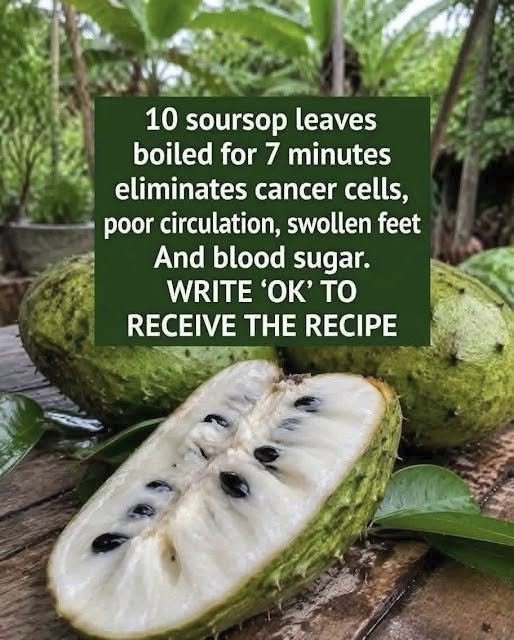
Soursop Leaf Tea: How to Make It, Traditional Uses, and What Science Actually Says About Its Health Benefits
Discover how to make soursop leaf tea, its traditional uses, potential health benefits, safety concerns, and what current scientific research actually says.
Soursop Leaf Tea: How to Make It, Traditional Uses, and What Science Actually Says About Its Health Benefits
For generations, people across the Caribbean, Central and South America, Africa, and Southeast Asia have brewed soursop leaves into a soothing herbal tea. Some drink it to unwind after a long day. Others believe it supports digestion, immunity, or overall wellness. More recently, social media has fueled claims that soursop leaf tea can cure everything from diabetes to cancer.
That’s where things get complicated.
While soursop (Annona muricata), also known as graviola or guanábana, contains plant compounds that have attracted scientific interest, many of the bold health claims circulating online go far beyond what research has actually proven. Laboratory studies have produced intriguing findings, but results from test tubes and animal studies don’t automatically translate to benefits in humans.
If you’re curious about soursop leaf tea, it’s worth separating tradition from evidence. Understanding what researchers know—and what they don’t—can help you make informed decisions about incorporating this herbal tea into your routine.
In this guide, we’ll explore how to make soursop leaf tea, its traditional uses, the science behind its active compounds, possible health benefits, safety considerations, and who should think twice before drinking it regularly.
What Is Soursop Leaf Tea?
Soursop leaf tea is an herbal infusion made by steeping the dried or fresh leaves of the soursop tree (Annona muricata) in hot water.
The soursop tree is native to tropical regions of the Americas but is now cultivated throughout many warm climates, including parts of Asia, Africa, and the Caribbean. While the tree is best known for its large green fruit with creamy white flesh, its leaves have long been used in traditional herbal practices.
Unlike black or green tea, soursop leaf tea is naturally caffeine-free. It has an earthy, mildly bitter flavor with subtle grassy notes, making it popular among people looking for a relaxing evening beverage.
Because it doesn’t contain caffeine, many people enjoy it before bedtime or as part of a calming wellness routine.
Why Has Soursop Leaf Tea Become So Popular?
Interest in soursop leaf tea has grown rapidly over the past decade, largely because of wellness blogs, social media videos, and anecdotal testimonials.
You’ll often see claims that it can:
- Boost immunity
- Lower blood sugar
- Reduce inflammation
- Improve sleep
- Fight infections
- Support heart health
- Detox the body
- Prevent or cure cancer
Some of these claims are based on preliminary scientific research, while others are rooted in traditional medicine or personal experiences. However, it’s important to recognize that many of the strongest claims have not been confirmed in well-designed human clinical trials.
That distinction matters.
Natural doesn’t automatically mean effective—or safe—for every condition.
Traditional Uses Around the World
Long before modern laboratories began studying soursop, communities across tropical regions relied on different parts of the plant for various traditional purposes.
Traditional uses of soursop leaves have included:
- Brewing herbal tea for relaxation
- Supporting digestive comfort
- Relieving occasional discomfort
- Promoting restful sleep
- Supporting recovery during minor illnesses
- Using crushed leaves in topical preparations
In Caribbean folk medicine, soursop leaf tea has often been consumed after meals or before bed. In parts of Southeast Asia, the leaves have traditionally been used alongside other medicinal plants as part of broader herbal practices.
Traditional use doesn’t necessarily prove effectiveness, but it often inspires scientists to investigate whether certain plant compounds have measurable biological activity.
What Makes Soursop Leaves Unique?
Researchers have identified hundreds of naturally occurring compounds within soursop leaves.
Among the most studied are:
Acetogenins
These naturally occurring compounds are unique to plants in the Annona family.
Scientists have investigated acetogenins because laboratory studies suggest they may influence how certain cells produce energy.
However, most of this research has been conducted in cell cultures or animal models—not in people.
Flavonoids
Flavonoids are plant antioxidants found in many fruits, vegetables, and herbs.
Examples include:
- Quercetin
- Kaempferol
- Rutin
These compounds help plants defend themselves from environmental stress and may contribute to antioxidant activity.
Phenolic Compounds
Phenols are another group of antioxidant compounds that may help neutralize unstable molecules known as free radicals.
A diet naturally rich in antioxidant-containing foods is generally associated with overall health, although researchers continue studying the specific contributions of individual plant compounds.
Alkaloids and Essential Oils
Soursop leaves also contain smaller amounts of alkaloids and aromatic compounds that may contribute to their characteristic flavor and aroma.
Scientists are still exploring how these compounds interact with one another.
Potential Health Benefits: What Current Research Suggests
Although excitement around soursop leaf tea is widespread, it’s important to distinguish between laboratory findings and proven medical benefits.
Here’s what current evidence suggests.
1. Rich in Plant Antioxidants
One of the best-supported characteristics of soursop leaves is their antioxidant content.
Antioxidants help protect cells from oxidative stress, a normal process that occurs as the body uses oxygen.
Oxidative stress has been linked to aging and various chronic diseases, although it is only one factor among many that influence health.
Laboratory analyses have shown that soursop leaves contain several antioxidant compounds capable of scavenging free radicals under experimental conditions.
Drinking antioxidant-rich herbal teas can be part of an overall healthy dietary pattern, but no single food or beverage can prevent disease on its own.
2. May Have Anti-Inflammatory Properties
Inflammation is the body’s natural response to injury or infection.
Short-term inflammation helps healing.
Long-term, chronic inflammation has been associated with conditions such as cardiovascular disease, arthritis, and metabolic disorders.
Animal and laboratory studies suggest that extracts from soursop leaves may influence inflammatory pathways.
However, researchers still need high-quality human studies before concluding whether drinking the tea produces meaningful anti-inflammatory effects.
3. May Support Healthy Blood Sugar Levels
Some animal research has found that soursop leaf extracts may help improve glucose metabolism.
These findings have sparked interest in whether compounds within the leaves could eventually contribute to diabetes research.
At this stage, though, evidence in humans remains limited.
People with diabetes should never replace prescribed medications with herbal remedies unless advised by their healthcare provider.
If you take medications that lower blood sugar, combining them with herbal products may increase the risk of hypoglycemia.
4. May Promote Relaxation
This is one of the oldest traditional uses of soursop leaf tea.
Many people report feeling calmer after drinking it in the evening.
Whether this effect comes from specific plant compounds, the relaxing ritual of drinking warm tea, or both remains unclear.
Scientific evidence supporting sleep-related benefits is still limited, but anecdotal experiences have contributed to the tea’s popularity as a bedtime beverage.
5. Potential Antimicrobial Activity
Laboratory studies suggest that extracts from soursop leaves may inhibit the growth of certain bacteria and fungi under controlled conditions.
It’s important to remember that these experiments often use concentrated extracts—not the diluted tea people drink at home.
Therefore, laboratory antimicrobial activity should not be interpreted as evidence that the tea can treat infections.
The Most Controversial Claim: Can Soursop Leaf Tea Fight Cancer?
Few herbal remedies have generated as much online attention as soursop.
You’ll frequently encounter headlines claiming that soursop leaf tea kills cancer cells or works better than chemotherapy.
Those claims are not supported by reliable clinical evidence.
Here’s what researchers actually know:
- Some compounds extracted from soursop have shown the ability to affect cancer cells in laboratory settings.
- Similar findings exist for many plants, fruits, and spices.
- Laboratory studies are only the earliest stage of scientific investigation.
- Human biology is much more complex than isolated cells growing in a petri dish.
To date, no high-quality clinical trials have demonstrated that drinking soursop leaf tea can prevent, treat, or cure cancer in humans.
Organizations such as the National Cancer Institute have stated that there is insufficient clinical evidence to recommend soursop as a cancer treatment.
Anyone undergoing cancer treatment should discuss herbal products with their oncology team before using them, as some herbs may interact with medications or therapies.
How to Make Soursop Leaf Tea
Preparing soursop leaf tea is simple and requires only a few ingredients.
Ingredients
- 8–12 fresh soursop leaves or 4–6 dried leaves
- 2 cups of filtered water
- Optional: lemon, honey, cinnamon, or fresh ginger
Instructions
- Rinse the leaves thoroughly under running water.
- Bring the water to a gentle boil.
- Add the leaves to the pot.
- Reduce the heat and simmer for about 10 to 15 minutes.
- Remove from heat and let the tea steep for another 5 minutes.
- Strain into a cup.
- Add lemon or honey if desired.
The finished tea has a mild herbal aroma with a slightly earthy, bittersweet taste.
Some people enjoy it warm, while others chill it and serve it over ice.
Tips for the Best Flavor
A few simple adjustments can improve both the taste and the brewing experience:
- Use fresh, healthy-looking leaves whenever possible.
- Avoid overboiling, which may produce a stronger bitter flavor.
- Brew in a covered pot to help preserve aromatic compounds.
- Pair with ginger or cinnamon for a warmer, more balanced flavor profile.
- Store leftover tea in the refrigerator and consume it within 24 hours.
These small details won’t change the tea’s nutritional profile dramatically, but they can make it more enjoyable to drink.
Is Soursop Leaf Tea Safe?
For most healthy adults, drinking an occasional cup of soursop leaf tea is unlikely to cause problems. However, “natural” doesn’t automatically mean “risk-free.” Like many herbal products, soursop leaves contain biologically active compounds that may affect the body in ways researchers are still trying to understand.
One of the biggest challenges is that there is no standardized recipe or dosage. A lightly brewed cup made with a few leaves may contain very different levels of active compounds than a concentrated tea simmered for an extended period.
If you choose to drink soursop leaf tea, moderation is generally the safest approach until more human research is available.
Possible Side Effects
Not everyone experiences side effects, but they can occur—especially with frequent or heavy consumption.
Potential side effects may include:
- Upset stomach
- Nausea
- Diarrhea
- Dizziness
- Lower blood pressure
- Lower blood sugar
The likelihood of side effects may increase when soursop leaf tea is combined with certain medications or consumed in large amounts over a long period.
Who Should Avoid Soursop Leaf Tea?
Although many people can enjoy herbal teas safely, some groups should be particularly cautious with soursop leaf tea.
Pregnant or Breastfeeding Women
There isn’t enough high-quality research to determine whether soursop leaf tea is safe during pregnancy or while breastfeeding. Because of this uncertainty, healthcare professionals generally recommend avoiding it unless specifically advised otherwise.
People Taking Blood Pressure Medication
Some studies suggest soursop compounds may have blood pressure-lowering effects. Combining the tea with prescription medications could potentially cause blood pressure to drop too low.
People with Diabetes
If you’re taking insulin or medications that lower blood sugar, soursop leaf tea may increase the risk of hypoglycemia. Never adjust your medication without guidance from your healthcare provider.
Individuals with Parkinson’s Disease or Other Neurological Conditions
Some research has raised concerns about compounds called annonaceous acetogenins, which are naturally present in soursop and related plants. High, long-term exposure has been investigated for a possible link to certain neurological disorders in some populations, although the relationship remains under study and is not fully understood.
Because of these concerns, people with neurological conditions should speak with their healthcare provider before regularly consuming soursop products.
Anyone Scheduled for Surgery
Herbal products may interact with anesthesia or medications used during surgery. Many healthcare providers recommend stopping herbal supplements one to two weeks before a planned procedure, but follow your surgeon’s specific instructions.
Can You Drink Soursop Leaf Tea Every Day?
This is one of the most common questions people ask.
The honest answer is: there isn’t enough evidence to recommend daily, long-term use.
Traditional practices vary widely, and scientific studies have not established a safe or effective daily intake.
If you enjoy soursop leaf tea, consider it an occasional herbal beverage rather than something to consume in large quantities every day.
If you have an underlying medical condition or take prescription medications, check with your healthcare provider before making it a regular habit.
How to Choose Quality Soursop Leaves
The quality of your tea begins with the quality of the leaves.
Look for:
- Leaves with a natural green color (if fresh)
- Clean, intact dried leaves without excessive dust
- Products from reputable suppliers
- Packaging that protects against moisture
- Clearly labeled ingredients with no unnecessary additives
Avoid leaves that appear moldy, have an unusual odor, or show signs of insect damage.
Proper storage is equally important. Keep dried leaves in an airtight container away from heat, sunlight, and humidity to preserve their quality.
Soursop Leaf Tea vs. Green Tea
If you’re deciding between herbal teas, here’s how soursop leaf tea compares with one of the world’s most popular options.
| Feature | Soursop Leaf Tea | Green Tea |
|---|---|---|
| Caffeine | Naturally caffeine-free | Contains caffeine |
| Main Compounds | Acetogenins, flavonoids, phenolics | Catechins, EGCG |
| Taste | Earthy, mildly bitter | Fresh, grassy |
| Research in Humans | Limited | Extensive |
| Traditional Uses | Relaxation, digestive support | Heart health, metabolism, antioxidants |
| Best Time to Drink | Evening or anytime | Morning or afternoon |
Green tea currently has a much larger body of human research supporting its potential health benefits. Soursop leaf tea, while promising in some areas, still requires more clinical studies.
Common Mistakes to Avoid
Believing It Can Replace Medical Treatment
Herbal teas can complement a healthy lifestyle, but they should never replace treatments prescribed by qualified healthcare professionals.
Drinking Highly Concentrated Tea
More isn’t always better. Stronger brews don’t necessarily provide greater benefits and may increase the risk of side effects.
Ignoring Possible Drug Interactions
Always consider how herbal products might interact with medications, particularly those for blood pressure, diabetes, or neurological conditions.
Buying from Unverified Sources
Poor-quality herbal products may be contaminated with pesticides, heavy metals, or other unwanted substances. Purchasing from reputable suppliers helps reduce this risk.
Assuming Every Online Claim Is True
Social media often amplifies dramatic health stories without scientific evidence. It’s always worth checking whether claims are supported by reliable human studies.
Expert Insights
One reason soursop leaf tea continues to attract scientific interest is the diversity of compounds found within the leaves. Researchers are investigating not just individual compounds, but also how they interact with each other.
Another important point is that many published studies use concentrated extracts prepared under laboratory conditions. These extracts can differ significantly from the tea brewed at home, making it difficult to apply laboratory findings directly to everyday consumption.
Scientists also emphasize the importance of well-designed human clinical trials. Until those studies are completed, many questions about dosage, long-term safety, and effectiveness will remain unanswered.
Research Updates for 2026
Interest in medicinal plants continues to grow, and soursop remains an active area of research.
Recent trends include:
- Increased laboratory studies exploring antioxidant and anti-inflammatory compounds.
- More sophisticated techniques for identifying bioactive plant chemicals.
- Greater focus on understanding potential neurological safety concerns related to long-term exposure.
- Continued calls for larger, high-quality human clinical trials before any therapeutic claims can be made.
Researchers agree that while the plant is scientifically interesting, current evidence is not strong enough to support many of the health claims commonly shared online.
Frequently Asked Questions
1. What does soursop leaf tea taste like?
It has an earthy, slightly bitter flavor with mild herbal notes. Many people add lemon, ginger, or a small amount of honey to enhance the taste.
2. Can I use fresh or dried leaves?
Yes. Both can be used, although dried leaves are often more convenient and have a longer shelf life.
3. Does soursop leaf tea contain caffeine?
No. Soursop leaf tea is naturally caffeine-free.
4. Can it help me sleep?
Some people find it relaxing, but there is limited scientific evidence showing that it directly improves sleep quality.
5. Is it safe for children?
There isn’t enough research to recommend regular use in children without guidance from a healthcare professional.
6. Can I drink it while taking medications?
Possibly not. Because it may interact with certain medications, especially those affecting blood pressure or blood sugar, consult your healthcare provider first.
7. Does soursop leaf tea cure cancer?
No. There is currently no reliable clinical evidence that drinking soursop leaf tea prevents, treats, or cures cancer in humans.
8. How often should I drink it?
There is no evidence-based recommendation for daily consumption. Occasional use is generally considered more appropriate until additional research becomes available.
9. Can I refrigerate leftover tea?
Yes. Store it in a sealed container in the refrigerator and consume it within 24 hours for the best quality.
10. Is soursop fruit the same as soursop leaf tea?
No. They come from the same plant, but the fruit and leaves have different nutritional profiles and contain different concentrations of naturally occurring compounds.
Action Checklist
✔️ Do
- Choose high-quality fresh or dried leaves from trusted sources.
- Brew the tea using moderate amounts of leaves.
- Drink it as part of a balanced diet, not as a cure-all.
- Talk with your healthcare provider if you have chronic health conditions or take prescription medications.
- Pay attention to how your body responds after drinking it.
❌ Avoid
- Believing unsupported claims that it cures serious diseases.
- Drinking large amounts every day without medical advice.
- Replacing prescribed treatments with herbal remedies.
- Buying products from unreliable sellers.
- Ignoring possible side effects or medication interactions.
Conclusion
Soursop leaf tea has a long history in traditional herbal practices and continues to capture the interest of researchers around the world. Its leaves contain a variety of plant compounds with antioxidant and other biological properties, making them a fascinating subject for scientific study.
At the same time, it’s important to separate promising laboratory findings from proven health benefits. While early research is encouraging in some areas, there is still limited evidence from human clinical trials to support many of the bold claims circulating online.
If you enjoy soursop leaf tea, think of it as an herbal beverage that may complement a healthy lifestyle—not as a substitute for medical care, balanced nutrition, or evidence-based treatment.
As research continues to evolve, we may gain a clearer understanding of where soursop leaf tea fits into modern wellness. Until then, moderation, informed choices, and realistic expectations remain the best approach.
Soursop leaf tea is a traditional herbal drink with intriguing plant compounds and a long history of use, but current scientific evidence does not support many of the sweeping health claims made online. Enjoy it responsibly, stay informed, and rely on qualified healthcare professionals for medical advice.
If you found this guide helpful, share it with friends or family who are curious about herbal teas, leave a comment with your experience, and explore more evidence-based wellness articles to make informed choices about your health.