Stop Throwing Away Old Plastic Pots: 10 Ingenious Ways to Repurpose Them Around the House
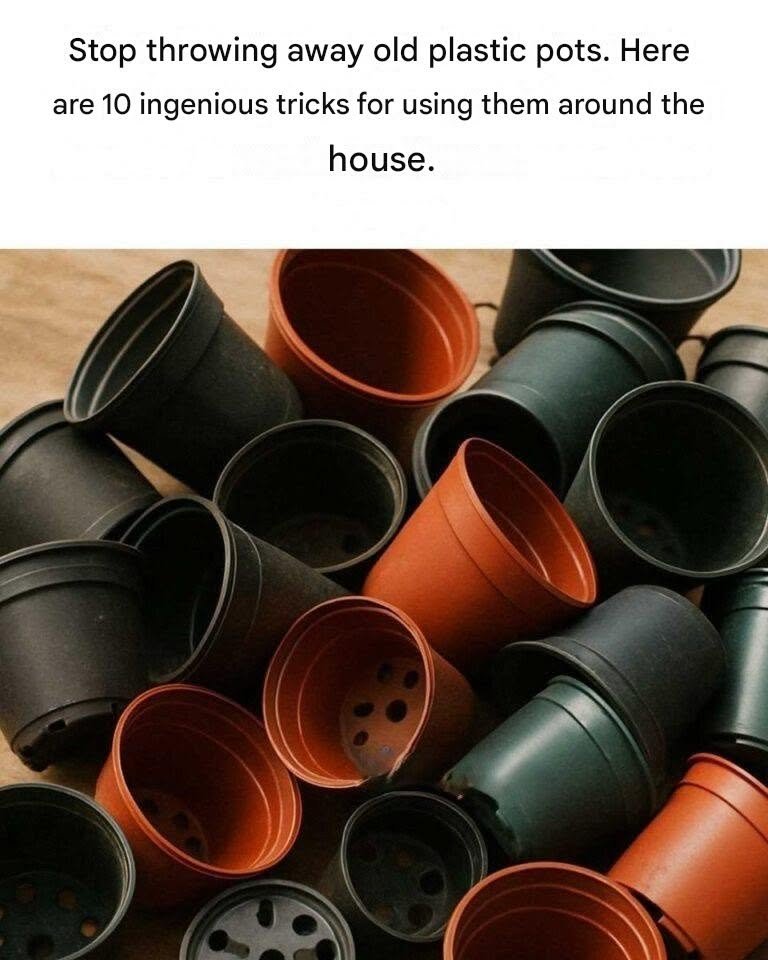
Every time gardening season rolls around, we accumulate a staggering pile of lightweight plastic nursery pots. Usually, they end up crammed into a garage corner or tossed straight into the recycling bin. But before you throw them out, consider this: those flimsy plastic containers are a goldmine for clever household and DIY hacks.
Done with gardening season? Discover 10 ingenious ways to repurpose old plastic plant pots around your home, kitchen, and workshop.
The Unsung Hero of the Garden Shed
If you look at a standard plastic flower pot, you see a cheap, disposable container designed to hold soil and a seedling. But if you look closer, you see a molded piece of durable, flexible polyethylene complete with built-in drainage holes, structural stacking capability, and a lightweight frame.
Instead of treating them as single-use plastics, clever DIYers and organizers have found brilliant ways to give old nursery pots a second life. Whether you need kitchen organization, workshop storage, or clever home hacks, here are 10 ingenious ways to reuse your old plastic pots.
1. Protect Delicate Garden Shoots from Pests (DIY Cloches)
-
The Hack: Cut the bottom out of an old plastic pot with a pair of sturdy scissors, and place it upside down over newly sprouted garden seedlings or tender vegetables like lettuce.
-
Why It Works: It acts as a mini-greenhouse and a physical shield, protecting young plants from hungry cutworms, birds, and harsh winds while letting sunlight and rainwater through the open top.
2. Organize Spools of Ribbon, Twine, and Yarn
-
The Hack: Thread a wooden dowel or a long metal skewer horizontally through the drainage holes of multiple small plastic pots, stacking your spools of ribbon, baker’s twine, or yarn inside.
-
Why It Works: It prevents tangled threads and creates a neat, pull-and-cut dispenser station for your craft room or wrapping station.
3. Store Plastic Grocery Bags Neatly
-
The Hack: Clean out a medium-sized plastic pot and mount it upside down inside a pantry cabinet door or under the sink using heavy-duty adhesive strips.
-
Why It Works: Stuff your unruly collection of plastic grocery bags through the bottom drainage hole. When you need a bag, simply pull one out of the top rim like a tissue box.
4. Create an Instant Drainage Layer for Large Planters
-
The Hack: If you have oversized decorative ceramic planters that require an immense amount of soil (making them impossibly heavy to move), flip smaller plastic pots upside down and place them in the bottom of the large planter.
-
Why It Works: It takes up empty space, slashes the amount of heavy potting soil you need, and drastically improves bottom drainage.
5. Keep Extension Cords and Hoses Tangle-Free
-
The Hack: Cut a vertical slit from the rim to the bottom center hole of a sturdy plastic pot, then wrap your extension cords, fairy lights, or garden hoses around the outside cylinder, tucking the plug ends through the center hole.
-
Why It Works: It prevents frustrating cord knots in your garage and keeps long wires neatly coiled and ready for action.
6. Protect Outdoor Faucets from Freezing
-
The Hack: Stuff an old, large plastic pot with bubble wrap, old rags, or insulation foam, and place it completely upside down over your outdoor spigot during chilly months.
-
Why It Works: It acts as an easy, weather-resistant insulated cap that shields your pipes from cracking during light frost.
7. Organize Screws, Nails, and Workshop Hardware
-
The Hack: Cut down the rims of small, flexible plastic pots to create shallow trays or use them as-is to sort loose hardware on your workbench.
-
Why ItWorks: Because plastic pots are flexible and lightweight, you can easily bend them slightly to scoop out screws, nuts, and bolts without scratching your workspace.
8. Safely Store and Transport Kitchen Spatulas and Utensils
-
The Hack: Thoroughly wash a few small nursery pots and use them as upright countertop organizers or drawer dividers for long kitchen spoons, whisks, and spatulas.
-
Why It Works: The built-in drainage holes at the bottom mean that if you put a slightly damp utensil away, air circulates freely, preventing trapped moisture and mold.
9. Make a DIY Bird Feeder or Suet Cage
-
The Hack: Use a mesh-like plastic pot or modify a standard pot by drilling extra holes, fill it with birdseed or suet blocks, and hang it upside down from a tree branch.
-
Why It Works: It provides a lightweight, weather-proof feeding station that keeps backyard birds happy throughout the winter months.
10. Start Next Year’s Compost or Seedlings Early
-
The Hack: Of course, they excel at their original job! Clean, sterilize, and save your pots so you don’t have to spend money buying flimsy starter trays next spring.
-
Why It Works: Reusing them year after year keeps plastics out of landfills and saves you money on gardening gear.
Comparative Analysis: Throwing Away vs. Repurposing Plastic Pots
Common Pitfalls and Safety Warnings
-
Pitfall 1: Using Dirty Pots for Indoor Kitchen Storage.
-
The Danger: Pots left outside often harbor dried dirt, spider eggs, or fungal spores.
-
The Fix: Always wash used plastic pots thoroughly with warm soapy water and a splash of bleach before bringing them indoors to organize kitchen tools or craft supplies.
-
-
Pitfall 2: Using Brittle, Sun-Damaged Pots for Heavy Tasks.
-
The Danger: Plastic left in the sun for years breaks down from UV exposure and can crack under pressure. Check the flexibility of old pots before using them to hold heavy items.
-
Frequently Asked Questions
1. What is the best way to clean old nursery pots? Soak them in a large tub of warm water mixed with a few drops of dish soap and a tablespoon of bleach for 30 minutes to kill any lingering bacteria, then scrub gently with a brush.
2. Can I paint old plastic pots to look nicer around the house? Yes! If you are using them for indoor organization, a coat of multi-surface spray paint in matte black, sage green, or white can transform a utilitarian nursery pot into a chic modern organizer.
Action Checklist
What to Do:
-
Sort through your stack of old plastic pots, keeping the sturdy ones and washing them thoroughly.
-
Test out the grocery bag dispenser or cord-winding hacks in your garage or pantry.
What to Avoid:
-
Automatically tossing lightweight plastic pots into the trash bin without checking their utility.
-
Using sun-bleached, brittle pots for heavy structural storage without testing their strength first.
Stop letting those plastic nursery pots clutter your garage or pile up in landfills. With a little creativity, a pair of scissors, and a good wash, these humble garden leftovers can solve a dozen organizational headaches around your home!