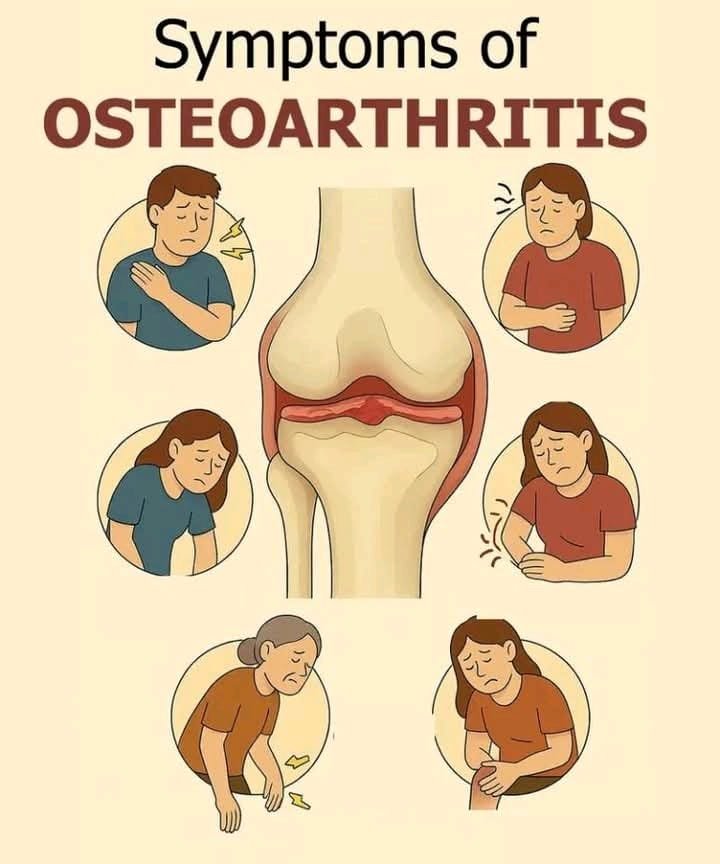
Recognizing the Early Symptoms of Osteoarthritis: What You Need to Know
Joint pain is often dismissed as a normal part of getting older, a lingering reminder of an old sports injury, or just the result of a hard day’s work. But when that ache begins to change how you move, walk, or sit, it can point to something deeper: osteoarthritis (OA).
As the most prevalent form of joint disease, osteoarthritis affects millions of Americans, gradually wearing down the smooth cartilage that cushions the ends of bones. Recognizing the symptoms early can mean the difference between managing joint health proactively and facing chronic, debilitating mobility limits down the road.
The Core Signs: How Osteoarthritis Manifests
Unlike inflammatory conditions like rheumatoid arthritis, which can sweep systemically across the body, osteoarthritis typically targets specific weight-bearing or heavily used joints—most commonly the knees, hips, hands, and lower spine. The onset is usually slow, compounding subtly over years.
-
Deep, Aching Joint Pain: The hallmark sign is pain that develops during or immediately after movement. In early stages, the pain may ease with rest; in advanced stages, it can persist even when resting or sleeping.
-
Morning Stiffness and Inactivity Lock: Waking up with joints that feel like rusted hinges—or experiencing stiffness after sitting at a desk or driving for an extended period—is a classic indicator. This stiffness usually eases after movement, but typically returns after periods of rest.
-
Loss of Flexibility and Range of Motion: You might notice you can no longer fully straighten or bend an affected knee, or that reaching and gripping things with your hands has become restricted.
-
Grating Sensations and Cracking (Crepitus): As the protective cartilage thins and bones begin to rub closer together, you may feel or hear a grinding, popping, or crackling sensation when using the joint.
-
Tenderness and Hard Bony Lumps: Applying light pressure to or near the joint can trigger tenderness. Over time, the body may form extra bits of bone—known as bone spurs—which feel like hard, unyielding lumps around the joint.
-
Mild Swelling: Soft tissue inflammation or fluid accumulation around the joint can cause noticeable puffiness, particularly after a day of heavy use.
Why Early Detection Changes the Game
Ignoring joint discomfort forces surrounding muscles, ligaments, and opposing joints to overcompensate. This unnatural shift creates a domino effect of secondary pain—such as lower back strain resulting from a limp caused by an arthritic hip.
Catching osteoarthritis in its early stages allows you to pivot toward conservative, highly effective interventions: targeted physical therapy to stabilize supporting muscles, strategic anti-inflammatory nutrition, and weight-management protocols that take physical load off vulnerable cartilage.
Common Misconceptions About Joint Pain
-
Myth: Exercise makes arthritis worse. The Reality: While high-impact pounding can aggravate sore joints, complete inactivity causes supporting muscles to atrophy, leaving joints less stable and more vulnerable to pain. Low-impact movement (like swimming, cycling, or walking) lubricates joints and strengthens structural support.
-
Myth: Osteoarthritis only affects the elderly. The Reality: While age is a primary risk factor due to cumulative wear, younger adults—particularly those with a history of joint trauma, repetitive occupational stress, or genetic predisposition—frequently develop post-traumatic osteoarthritis.
Frequently Asked Questions
How can I tell the difference between muscle soreness and osteoarthritis pain?
Muscle soreness usually presents as a generalized dull ache across a fleshy area that improves within a couple of days with rest and hydration. Osteoarthritis pain is localized directly inside or around a joint structure and tends to flare up with physical loading or specific movements.
Which joints are most vulnerable to osteoarthritis?
The knees and hips bear the brunt of body weight and gravity, making them primary targets. Hands (particularly the base of the thumb and finger knuckles) and the lower spine are also heavily affected.
Does weather changes really affect joint pain?
Many people with osteoarthritis report increased stiffness and discomfort when barometric pressure drops or humidity rises. While weather doesn’t cause the disease, changes in atmospheric pressure can cause surrounding tissues to expand or contract, irritating sensitive, worn joints.
Can diet reverse cartilage loss?
No specific food can rebuild worn-away cartilage. However, an anti-inflammatory diet rich in omega-3 fatty acids, antioxidants, and lean proteins helps manage systemic inflammation that worsens joint discomfort.
When should I see a doctor for joint stiffness?
Schedule an appointment with a primary care provider or rheumatologist if joint pain, swelling, or stiffness persists for more than a few weeks, or if it begins interfering with your ability to perform daily tasks.
Are over-the-counter pain relievers enough for long-term management?
OTC medications like NSAIDs or acetaminophen can help manage acute flare-ups, but relying on them long-term without addressing lifestyle, movement, and physical therapy leaves the underlying joint mechanics unaddressed.
Can supplements like glucosamine help?
Results vary significantly by individual. While some clinical studies show modest relief for mild-to-moderate knee osteoarthritis, they are best viewed as a complementary tool rather than a standalone fix.
Is surgery the only option for advanced osteoarthritis?
Not necessarily. While joint replacement surgery is a highly successful option for end-stage degeneration, early-to-moderate stages respond well to physical therapy, weight management, assistive devices, and targeted joint injections.
Action Checklist
-
What to do: Schedule an evaluation with a healthcare professional if you experience persistent joint stiffness or grinding; incorporate low-impact aerobic activity to maintain joint lubrication; maintain a healthy weight to reduce mechanical stress.
-
What to avoid: Ignoring early warning signs until mobility is severely compromised; pushing through sharp, structural joint pain with high-impact exercises; relying entirely on pain relievers without modifying daily movement habits.
Joint pain and stiffness are your body’s early warning system, not an inevitable life sentence. Tuning into these symptoms early allows you to protect your cartilage, maintain your active lifestyle, and preserve your long-term independence.