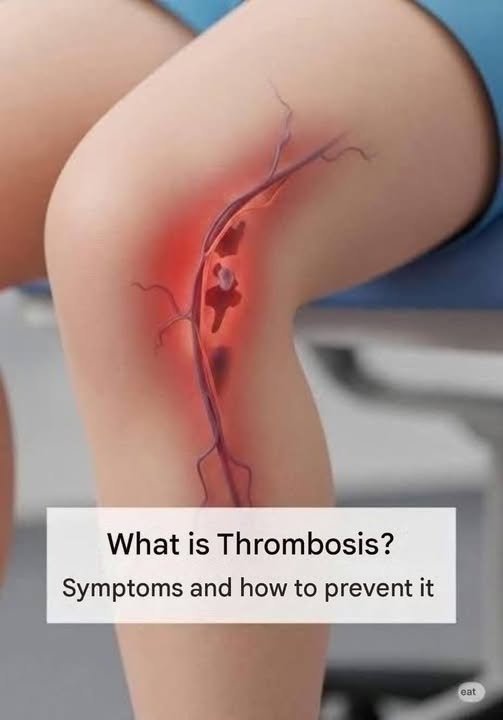
Silent Warning Signs: 9 Subtle Symptoms of Developing Thrombosis and How to Stop It Before It Strikes
Stop guessing your body’s signals and learn the exact, life-saving differences between everyday muscle soreness and developing blood clots—plus the medical protocols you need today.
Discover the subtle, easily missed early signs of thrombosis, what causes dangerous blood clots, and actionable prevention steps to protect your cardiovascular health.
There is a distinct, unsettling moment when a dull, persistent ache in your calf shifts from a minor annoyance into a quiet panic. Maybe you chalked it up to an intense workout yesterday, or perhaps you assume it is just stiffness from a long-haul flight or a day spent grinding away at a standing desk. But beneath the surface, a microscopic cascade of platelets and fibrin might be quietly assembling, anchoring a blockade inside your vascular network.
Thrombosis—the formation of a blood clot inside a blood vessel—does not always announce itself with dramatic Hollywood flair. It rarely drops you to your knees with sudden agony. Instead, it often whispers through subtle, asymmetrical shifts in your body that are terrifyingly easy to write off as stress, fatigue, or aging. In a fast-paced culture where hustle often masks physiological distress, ignoring these whispers can carry catastrophic consequences.
Understanding how to read your body’s vascular dashboard before a localized clot breaks free and travels toward your lungs or brain is not just health trivia; it is essential survival knowledge. Let’s pull back the curtain on how thrombosis develops, the warning signs your body uses to sound the alarm, and the concrete, everyday adjustments that can keep your circulatory system flowing freely.
Demystifying Thrombosis: Deep Vein Thrombosis vs. Arterial Clots
To outsmart a condition, you have to understand its mechanics. At its core, thrombosis occurs when the delicate balance of your blood’s clotting mechanism goes rogue. Normally, your body forms clots to seal wounds and stop bleeding. When you cut your finger, platelets rush to the scene, building a temporary plug. But when that clotting cascade triggers internally—without an injury—you get a thrombus.
Thrombosis generally splits into two primary categories:
-
Deep Vein Thrombosis (DVT): This happens in the deep veins, most commonly in the lower legs, thighs, or pelvis. The blood slows down, pools, and forms a gel-like mass. The ultimate danger here is a piece breaking loose—becoming an embolus—and traveling through the right side of the heart straight into the pulmonary arteries, creating a life-threatening Pulmonary Embolism (PE).
-
Arterial Thrombosis: This occurs in the arteries, which carry oxygen-rich blood away from the heart. Because arteries operate under high pressure, these clots are typically driven by ruptured plaque (atherosclerosis). They cut off blood supply instantly, triggering medical emergencies like myocardial infarctions (heart attacks) or ischemic strokes.
While both are dangerous, DVT creeps up with insidious subtlety. It targets everyday people—desk workers, frequent flyers, pregnant women, and recovering surgery patients—making it a stealth hazard in modern American life.
Why This Matters Now: The Modern American Lifestyle Factor
We live in a seated society. The average American spends upward of nine to ten hours a day sitting down, glued to office chairs, steering wheels, or living room couches. This hyper-sedentary lifestyle is kryptonite for your vascular system.
Your veins do not have a muscular pump like your heart to push blood upward against gravity. Instead, they rely on the skeletal muscle pump—specifically the muscles in your calves and feet—to squeeze the veins and propel blood back toward your heart. When you sit motionless for hours on end, that natural pump stalls. Blood pools in the lower extremities, increasing venous stasis, one-third of Virchow’s triad (the trio of factors contributing to thrombosis: hypercoagulability, hemodynamic changes, and endothelial injury).
When you combine a sedentary lifestyle with modern stressors—dehydration from excessive coffee intake, high-sodium processed diets that cause vascular inflammation, and the rising prevalence of metabolic syndrome—you create an environment where the body’s clotting system can easily misfire. Ignoring early warning signs under the assumption that “I’m too young or fit for this” is a gamble with devastating odds.
9 Subtle Symptoms of Developing Thrombosis You Shouldn’t Ignore
Your body is remarkably communicative if you know how to listen. While a fully occluded vessel causes unmistakable agony, the early stages of a developing thrombus present with peculiar, localized quirks.
-
1. Asymmetrical Calf Swelling: Pay attention to asymmetry. If one calf looks noticeably larger, feels tighter, or fills out your sock differently than the other, take note. DVT typically develops in one leg at a time. If swelling affects both legs equally, it is more likely systemic fluid retention or heart strain, but a single swollen limb is a classic red flag.
-
2. The Persistent “Deep Muscle Cramp”: Unlike a sharp, sudden Charlie horse that strikes during a workout and fades, a thrombosis-related ache feels like a dull, deep-seated muscle pull that refuses to go away. It lingers through rest, gentle stretching, and hydration. It often feels heavy, warm, or tired in a very specific spot.
-
3. Unexplained Skin Discoloration or Redness: As blood struggles to move past a partial blockage or causes localized inflammation, the skin over the affected area may change color. In lighter skin tones, it can appear red or purplish; in darker skin tones, it might look darker than surrounding skin or display a subtle reddish-brown hue.
-
4. Localized Skin Warmth: Touch the area that feels achy or swollen. Does it radiate heat compared to the surrounding tissue? A developing clot often triggers localized inflammatory responses that elevate skin temperature over the affected vein.
-
5. Prominent Superficial Veins: If your body is trying desperately to route blood around a blocked deep vein, it will divert traffic through surface-level veins. If you suddenly notice veins standing out prominently on the surface of your leg that were never there before, your deep circulatory pathways may be compromised.
-
6. Mild Shortness of Breath or Unexplained Rapid Heartbeat: This is the bridge symptom pointing toward a potential pulmonary embolism. If a tiny fragment of a forming clot breaks off and travels to your lungs, you might experience unexplained breathlessness while walking up a flight of stairs you usually conquer easily, or feel your heart racing for no apparent reason.
-
7. A Low-Grade, Unexplained Fever: While less common, the body’s systemic inflammatory reaction to tissue irritation from a clot can manifest as a mild, nagging temperature elevation that mimics a mild bug or infection.
-
8. Tender Cords Along a Vein: If you gently press down your leg and feel a firm, tender, cord-like structure running underneath the skin, it indicates superficial thrombophlebitis—inflammation and clotting in a vein just beneath the surface, which sometimes coexists with deeper vascular issues.
-
9. Pain That Worsens When Flexing the Foot: Known clinically as a positive Homan’s sign (though doctors rely on imaging rather than physical tests today), pain in the calf when you pull your toes upward toward your shin is a classic indicator that warrants immediate medical evaluation.
Step-by-Step Actionable Prevention Guide
Preventing thrombosis requires a proactive, daily defense strategy. You do not need a medical degree to bulletproof your circulatory pathways; you just need consistent micro-habits.
-
Step 1: Master the 50/5 Rule: If your work requires sitting at a desk, set an alarm for every 50 minutes. Stand up, stretch, and walk briskly for 5 minutes. This reactivates the calf muscle pump and flushes stagnant blood upward.
-
Step 2: Hydrate Strategically: Dehydration thickens your blood, making it more viscous and prone to sluggish flow. Ditch the idea that all fluids are equal; prioritize plain water and electrolyte balance. Aim for at least half your body weight in ounces daily, scaling up if you consume caffeine or alcohol.
-
Step 3: Introduce Natural Anti-Inflammatories to Your Diet: Chronic systemic inflammation damages endothelial tissue (the smooth lining of your blood vessels), inviting clots to form. Incorporate omega-3 fatty acids (wild-caught salmon, chia seeds, walnuts), turmeric, and leafy greens rich in Vitamin K (keeping intake consistent if you are on blood thinners) to support vascular integrity.
-
Step 4: Wear Graduated Compression Socks During Travel: If you are taking a flight longer than four hours or embarking on a cross-country road trip, invest in medical-grade graduated compression stockings (15-20 mmHg). They apply gentle pressure to your ankles, helping push blood back up against gravity.
-
Step 5: Ditch the Crossing-Leg Habit: Crossing your legs at the knees cuts off direct arterial and venous flow to the lower legs for extended periods. Train yourself to keep both feet flat on the floor or cross them loosely at the ankles.
Real-World Scenario: The Desk-Bound Professional
Consider Mark, a 42-year-old software engineer living in Seattle. During a high-stress product launch, Mark spent 14 hours a day sitting at his dual-monitor setup, surviving entirely on cold brew coffee and takeout. By week two, he noticed his right calf felt heavy and ached constantly, but he blamed it on an old running injury.
One evening, while walking to his kitchen, he felt a sudden, sharp pinch in his chest paired with breathless exhaustion. Frightened, he drove himself to urgent care, where an ultrasound revealed a significant DVT in his right leg that had already shed a micro-embolus to his lungs.
Mark’s story illustrates a vital truth: thrombosis does not care about your age, your fitness level, or your deadlines. Listening to his body’s early warnings—the heavy calf ache—and seeking diagnostics early would have saved him from a near-fatal pulmonary event.
Implementation Strategies: Building a Vascular-First Routine
Moving from theory to execution means embedding micro-movements into environments that naturally resist them.
-
The Travel Protocol: On airplanes, perform seated heel-raises and toe-taps for 30 seconds every hour. Rotate your ankles in circles both clockwise and counter-clockwise. Walk the aisle whenever the seatbelt sign is off.
-
The Workspace Upgrade: Swap your static chair for an ergonomic setup that encourages active sitting, or use a variable-height standing desk. While standing all day has its own fatigue issues, alternating between sitting and standing every hour keeps venous pressure dynamic.
-
The Post-Workout Cool Down: Never sit down immediately after a grueling lower-body workout or heavy run. Walk slowly for 10 minutes to allow your heart rate and vascular tone to normalize gradually, preventing sudden blood pooling in your extremities.
Comparing Vascular Protection Strategies
| Strategy | Effectiveness | Ease of Implementation | Primary Benefit |
| Active Movement Breaks | Very High | High | Restarts the skeletal muscle pump, prevents stasis |
| Compression Therapy | High | Moderate | Mechanically assists venous return during high-risk periods |
| Targeted Hydration | High | High | Reduces blood viscosity and prevents cellular clumping |
| Vascular-Healthy Diet | Medium-High | Moderate | Reduces endothelial inflammation and plaque rupture risk |
| Pharmaceutical Interventions | Absolute | Low (Requires Rx) | Directly alters coagulation pathways for high-risk patients |
Pros & Cons of Common Thrombosis Prevention Measures
-
Over-the-Counter Daily Low-Dose Aspirin:
-
Pros: Widely accessible, cheap, and historically used to thin platelets.
-
Cons: Can cause severe gastrointestinal bleeding and ulcers; modern cardiology guidelines advise against taking it prophylactically without direct medical supervision.
-
-
Compression Socks:
-
Pros: Non-invasive, drug-free, highly effective for travel and desk work.
-
Cons: Can be difficult to put on correctly; improper sizing can restrict circulation rather than aiding it.
-
-
Targeted Exercise Programs:
-
Pros: Strengthens overall cardiovascular health, improves muscle tone, and naturally lowers blood pressure.
-
Cons: Requires sustained behavioral consistency and time commitment.
-
Common Mistakes and How to Fix Them
-
Mistake 1: Massaging the Sore Calf Area.
-
The Fix: If you suspect a blood clot, never massage, rub, or aggressively foam-roll the painful area. If a clot is present, mechanical pressure can dislodge it, sending it straight to your lungs or brain. Always seek an ultrasound confirmation first.
-
-
Mistake 2: Assuming Youth and Fitness Provide Immunity.
-
The Fix: Marathon runners, elite athletes, and teenagers can and do develop DVT due to genetic predispositions (like Factor V Leiden), birth control pills, or severe dehydration. Treat symptoms based on presentation, not demographics.
-
-
Mistake 3: Relying on Caffeine for Energy While Dehydrated.
-
The Fix: Balance every cup of coffee with a full large glass of water. Diuretics can quietly dry out your vascular system, thickening your blood.
-
Expert Insights: Non-Obvious Risk Amplifiers
Beyond the standard risk factors listed on medical brochures, several hidden triggers amplify your thrombosis risk:
-
Hidden Genetic Mutations: Approximately 5% of people carry inherited clotting disorders like Factor V Leiden or the Prothrombin G20210A mutation. If you have a family history of unexplained blood clots, a simple genetic panel can reveal whether your clotting threshold is genetically lowered.
-
The Contraceptive and Hormone Replacement Factor: Estrogen-containing birth control pills, patches, and rings significantly increase the liver’s production of clotting factors. Women combining hormonal contraception with long-distance air travel or smoking face an exponentially compounded risk.
-
Post-Infection Inflammation: Severe systemic infections, including recent bouts of major viral illnesses, can leave the vascular endothelium inflamed for months afterward, creating a sticky surface where clots find it easy to anchor.
Future Outlook: Where Vascular Health is Heading
The landscape of thrombosis detection and treatment is shifting dramatically. By the late 2020s, predictive health tech is transforming how we monitor vascular wellness. Wearable sensors capable of tracking micro-vessel pulse wave velocities and localized skin temperature fluctuations are entering consumer markets, offering early-warning telemetry before physical symptoms manifest. Furthermore, advancements in direct oral anticoagulants (DOACs) and targeted enzymatic clot-dissolving therapies are making treatments safer, faster, and far less reliant on traditional, heavily monitored blood thinners like Warfarin.
Mini Case Scenario: The Transcontinental Flight
Elena, a 34-year-old freelance writer living in Chicago, booked a 10-hour flight to London to attend a media conference. Eager to hit deadlines, she sat in her window seat laptop-bound, ignoring the flight attendants’ suggestions to walk the aisle. She consumed two glasses of wine and skipped water to avoid using the cramped lavatory.
Three days into her trip, her left calf felt unusually warm and tight. Recognizing that something was wrong rather than walking it off, she visited a British urgent care clinic. A quick Doppler ultrasound confirmed a proximal DVT. Because she caught it early and refused to massage the muscle, doctors initiated treatment immediately, averting a pulmonary catastrophe. Elena returned home safely with a profound respect for her body’s quiet warning signals.
Frequently Asked Questions
-
Can a blood clot go away on its own without medical treatment?
Small superficial clots sometimes resolve as the body’s natural fibrinolytic system breaks them down. However, deep vein thrombosis (DVT) and arterial clots never safely resolve on their own and require immediate medical intervention to prevent migration or permanent tissue damage.
-
What is the difference between a muscle cramp and a blood clot?
A muscle cramp comes on suddenly, peaks in intensity quickly, and resolves within minutes—often responding to stretching and magnesium. A DVT ache builds gradually over days, stays localized, feels deep and heavy, and worsens with standing or walking.
-
Does drinking water actually thin your blood enough to prevent clots?
Hydration does not alter your platelet count, but it normalizes your blood volume and viscosity. Dehydration concentrates red blood cells and platelets, making the blood thicker and more prone to sluggish, static flow.
-
Are standing desks completely effective at preventing thrombosis?
Standing all day helps more than sitting, but standing completely motionless can still cause blood to pool in the lower legs due to gravity. The key is dynamic movement—shifting your weight, walking in place, and taking actual walking breaks.
-
How long after a long flight can a blood clot develop?
Thrombosis can develop during travel or manifest days—and occasionally up to two weeks—after your trip concludes. Never assume you are out of the woods just because you landed safely.
-
Can dietary supplements like Vitamin E or garlic prevent blood clots?
While certain foods and supplements have mild antiplatelet properties, they are entirely insufficient for treating or preventing clinical thrombosis. Relying on kitchen remedies for a developing DVT is dangerous.
-
What should I do immediately if I suspect I have a DVT?
Go to an emergency room or urgent care center immediately and request a Duplex Ultrasound. Avoid high-impact activity, do not massage the limb, and keep the leg elevated slightly if comfortable until professional help is reached.
-
Does high cholesterol cause blood clots?
High cholesterol primarily causes plaque buildup in arteries (atherosclerosis), which can rupture and cause arterial thrombosis (heart attacks/strokes). DVT typically stems from venous stasis and hypercoagulability rather than dietary cholesterol alone.
Action Checklist
-
What to Do:
-
Take a 5-minute movement break for every 50 minutes of sitting.
-
Maintain robust hydration with water and electrolytes throughout the day.
-
Wear graduated compression stockings during long flights or road trips.
-
Seek immediate diagnostic imaging (ultrasound) if you notice asymmetrical calf swelling or persistent deep aches.
-
-
What to Avoid:
-
Never massage, rub, or foam-roll a painful, swollen, or warm calf muscle.
-
Avoid sitting with your legs crossed tightly at the knees for extended periods.
-
Do not self-medicate with daily aspirin or untested supplements without medical consultation.
-
Never dismiss single-limb swelling as simple post-workout fatigue.
-
Thrombosis thrives in silence, turning everyday habits into vascular hazards. By listening to your body’s subtle, asymmetrical warnings and prioritizing dynamic movement over prolonged stillness, you hold the power to protect your circulation and secure your long-term health.