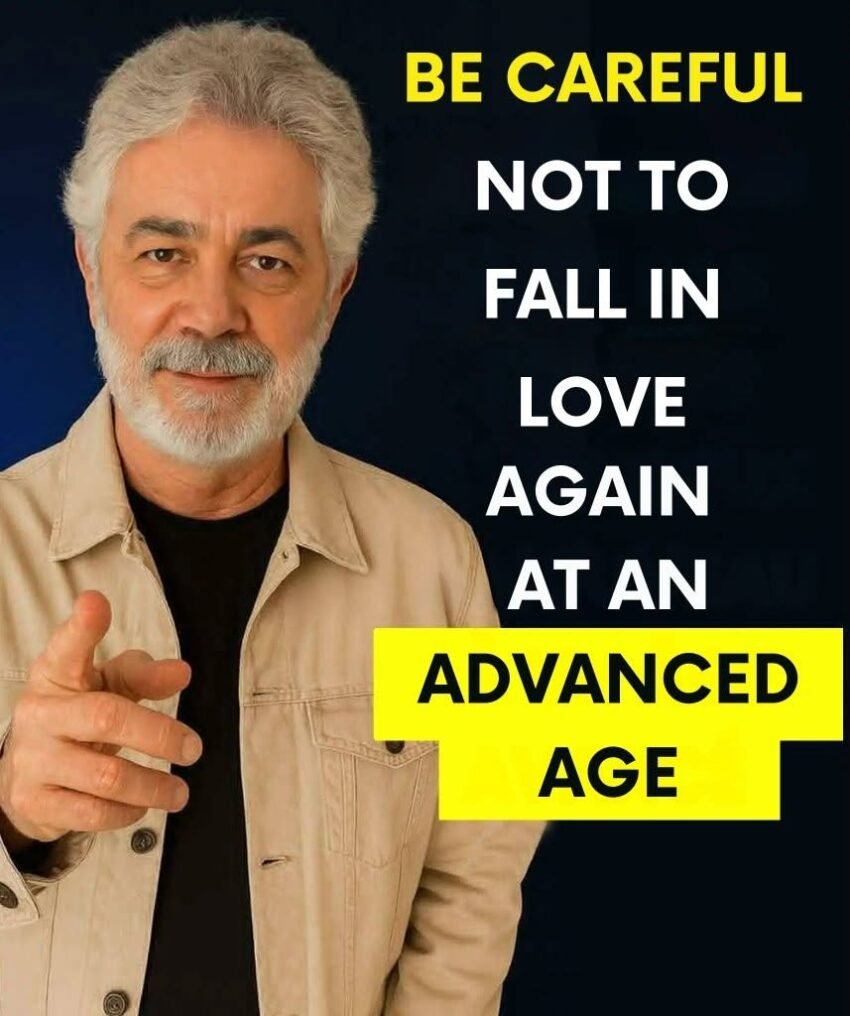
The Danger of Falling in Love After 60: What Nobody Tells You
Falling in love after 60 can be one of life’s greatest joys—but it also comes with unique emotional, financial, and family challenges. Here’s what you need to know.
Love doesn’t have an expiration date.
In fact, many people discover some of their deepest and most meaningful relationships after turning 60. With careers behind them, children grown, and more freedom to focus on themselves, later life can create the perfect environment for romance to flourish.
But there’s another side to the story—one that isn’t discussed nearly as often.
Falling in love later in life can bring unexpected risks that go far beyond heartbreak. Family dynamics, financial decisions, health concerns, and emotional vulnerability all play a much larger role than they often do in younger relationships.
None of this means you should avoid love. It simply means that love after 60 deserves a little more wisdom than impulse.
Here’s what many people don’t discover until they’re already deeply invested.
Why Love Feels Different After 60
By the time someone reaches their 60s, they’ve lived through experiences that shape how they approach relationships.
Many have experienced:
- Divorce
- Widowhood
- Long-term caregiving
- Retirement
- Empty-nest syndrome
- Major health challenges
These experiences often make people appreciate companionship more than ever before.
Instead of chasing excitement, many seek peace, trust, laughter, and emotional security.
Ironically, those same desires can sometimes make people overlook warning signs.
1. Loneliness Can Cloud Judgment
One of the greatest dangers isn’t love itself—it’s confusing loneliness with compatibility.
After years of living alone, even small gestures of affection can feel extraordinary.
A daily phone call.
A shared meal.
Someone asking how your day went.
These moments can create a powerful emotional connection, but emotional relief isn’t always the same as long-term compatibility.
Taking time to truly know someone remains just as important at 65 as it was at 25.
2. Financial Risks Become Much Bigger
By retirement age, many people have spent decades building savings, pensions, investments, or property.
A new relationship can unintentionally complicate those finances.
Potential issues include:
- Combining finances too quickly
- Lending money
- Co-signing loans
- Updating wills without proper advice
- Naming a new partner as a beneficiary without considering long-term implications
While most relationships are genuine, financial exploitation of older adults is a documented concern. Healthy relationships respect financial independence and encourage open, transparent conversations.
3. Families May Not React as Expected
Many people assume their adult children will simply be happy to see them in love again.
Reality can be more complicated.
Children may worry about:
- Inheritance
- A parent’s emotional well-being
- Financial security
- Whether the new partner has honest intentions
Sometimes these concerns are rooted in genuine care. Other times, emotions surrounding grief or family change may still be unresolved.
Patience and honest communication can help everyone adjust.
4. Grief Doesn’t Disappear Overnight
Many later-life relationships begin after losing a spouse or ending a decades-long marriage.
It’s possible to love again while still grieving.
In fact, the two emotions often exist side by side.
A new relationship shouldn’t be expected to erase past pain.
Instead, healthy partners make space for memories rather than competing with them.
5. Health Becomes Part of the Relationship
Unlike relationships earlier in life, health often becomes a central topic.
Questions may include:
- Who will become a caregiver if illness develops?
- How will medical decisions be handled?
- Can both partners maintain independence?
Discussing these realities early can strengthen trust rather than weaken it.
6. Emotional Vulnerability Increases
After years of independence, opening your heart again can feel exhilarating—and frightening.
People over 60 may find themselves thinking:
- “What if I lose someone again?”
- “Am I moving too fast?”
- “Can I trust my judgment?”
These concerns are normal.
Being cautious isn’t pessimistic; it’s a sign of emotional maturity.
7. Scams Target Older Adults
Unfortunately, romance scams often target people seeking companionship online.
Common warning signs include:
- Requests for money
- Refusal to meet in person
- Excuses for avoiding video calls
- Stories involving sudden emergencies
- Pressure to act quickly
A trustworthy partner will never rush you into financial decisions or ask you to solve repeated crises with your savings.
Signs of a Healthy Relationship After 60
A strong relationship often includes:
- Honest communication
- Mutual respect
- Financial transparency
- Shared values
- Emotional support
- Respect for personal independence
- Patience with family relationships
- Realistic expectations
Love should add peace—not constant anxiety.
Common Mistakes to Avoid
Moving Too Fast
Enjoy the excitement, but don’t rush major decisions.
Ignoring Financial Boundaries
Maintain separate financial advice before making significant changes.
Hiding the Relationship
Introducing a new partner gradually can help family members adapt.
Expecting Perfection
Every relationship has challenges. Focus on compatibility rather than perfection.
Losing Your Independence
Healthy love supports individuality instead of replacing it.
Practical Tips for Protecting Yourself
- Keep communication open with trusted family or friends.
- Take your time before making major commitments.
- Discuss financial expectations honestly.
- Continue hobbies and friendships outside the relationship.
- Seek professional legal or financial advice before changing estate plans or large financial arrangements.
- Trust actions more than promises.
A Real-Life Scenario
Imagine Robert, a 68-year-old widower, who meets Linda at a community gardening club. They quickly discover a shared love of travel, books, and cooking. After several months, Robert considers selling his home so they can move in together.
Instead of rushing, they take practical steps. They talk openly about finances, involve their adult children in conversations where appropriate, and consult legal professionals before updating their estate plans.
Their relationship grows stronger—not because they ignored potential challenges, but because they faced them together.
Frequently Asked Questions
Is it normal to fall in love after 60?
Absolutely. Emotional connection and companionship remain important throughout life.
Should older couples combine finances?
There is no one-size-fits-all answer. Many couples choose to maintain some financial independence while sharing certain expenses.
How long should you date before making major decisions?
There is no universal timeline, but taking time to understand each other’s values, habits, and financial situations is generally wise.
Can family disagreements damage a new relationship?
They can, but honest communication and patience often help reduce tension over time.
Are online dating sites safe for seniors?
Many people find meaningful relationships online. Using reputable platforms, protecting personal information, and meeting safely are important precautions.
Is it possible to love again after losing a spouse?
Yes. Loving someone new doesn’t diminish the love you had for a previous partner.
What are the biggest red flags?
Pressure, secrecy, financial requests, manipulation, and disrespect for boundaries deserve careful attention.
Should older adults consider legal advice before remarriage?
In many cases, yes. Estate planning, inheritance, and property ownership can become more complex later in life.
Final Thoughts
Falling in love after 60 isn’t dangerous because of age—it can become risky when emotions move faster than thoughtful decisions.
The best later-life relationships combine affection with honesty, romance with practicality, and hope with wisdom.
Take time to know each other. Protect your financial and emotional well-being. Communicate openly with the people who matter most. Most importantly, remember that healthy love should bring greater confidence, comfort, and joy—not constant uncertainty.
Age brings experience, and that experience can become one of your greatest strengths in building a lasting relationship.
Love after 60 can be one of life’s most rewarding chapters. The key isn’t to fear love—it’s to approach it with both an open heart and a clear mind.