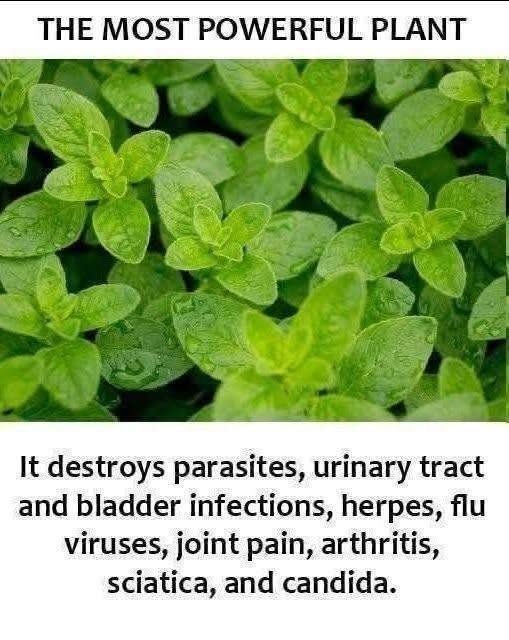
The Most Powerful Healing Plants: Natural Remedies That Have Been Studied for Pain and Infection Support
For thousands of years, people around the world have turned to plants for healing. Long before modern medicine existed, communities used herbs, roots, leaves, and flowers to help with wounds, inflammation, discomfort, and illness.
Today, interest in natural remedies continues to grow. Many people search for a “miracle plant” that can eliminate every type of pain or infection naturally.
But the reality is more interesting: nature provides powerful compounds that may support health, but no single plant can cure every disease, remove all pain, or replace proper medical treatment.
Some plants, however, have gained attention because scientific research has identified useful compounds that may help with specific problems.
Let’s explore some of the most studied medicinal plants and what they may actually do.
1. Turmeric: The Golden Root Known for Fighting Inflammation
Turmeric is one of the most researched medicinal plants in the world.
Its active compound, curcumin, has been studied for its anti-inflammatory and antioxidant properties.
Inflammation plays a role in many conditions, including:
- Joint discomfort
- Muscle soreness
- Some chronic inflammatory conditions
- General aches associated with inflammation
Traditional medicine systems have used turmeric for centuries, especially in South Asia.
However, turmeric is not an antibiotic and cannot destroy bacterial infections inside the body.
How people commonly use turmeric:
- Added to food
- Consumed as tea
- Used in some supplements
Curcumin absorption is naturally low, which is why many supplements combine it with ingredients designed to improve absorption.
2. Garlic: A Plant With Natural Antimicrobial Compounds
Garlic has been used as both food and medicine for centuries.
It contains a compound called allicin, which forms when garlic is crushed or chopped.
Research has examined garlic’s potential effects against certain bacteria, fungi, and viruses in laboratory settings.
Garlic may support:
- Heart health
- Immune function
- General wellness
However, eating garlic does not mean it can replace antibiotics when someone has a serious infection.
Medical infections often require proper diagnosis and treatment.
3. Ginger: A Traditional Remedy for Pain and Nausea
Ginger is another plant with a long history of medicinal use.
Its natural compounds, including gingerols, have been studied for their effects on inflammation and digestion.
Many people use ginger for:
- Nausea
- Digestive discomfort
- Mild muscle soreness
- Inflammation support
Ginger tea is one of the most common ways people include it in their routine.
4. Aloe Vera: The Plant Commonly Used for Skin Relief
Aloe vera is famous for its cooling gel.
It has been traditionally used for:
- Minor skin irritation
- Sunburn discomfort
- Dry skin
Aloe vera products may help soothe certain skin conditions, but they are not a universal treatment for infections.
Applying aloe vera to a serious wound or infected area without medical advice may delay proper care.
5. Echinacea: A Plant Studied for Immune Support
Echinacea is commonly marketed as an immune-supporting herb.
Some studies have investigated whether it may influence cold symptoms or immune responses.
Results have been mixed, and it should not be considered a cure for infections.
Can Any Plant Destroy All Infections?
No.
Infections can be caused by many different organisms:
- Bacteria
- Viruses
- Fungi
- Parasites
A plant compound that affects one type of organism may have no effect on another.
For example:
- Antibiotics work against certain bacteria.
- Antiviral medicines target specific viruses.
- Antifungal treatments target fungi.
Using the wrong treatment can allow an infection to become worse.
Natural Remedies vs Modern Medicine
Natural remedies and modern medicine do not have to be enemies.
Many modern medicines were originally developed from plant compounds.
Examples include:
- Aspirin-related compounds from willow trees
- Certain cancer medicines derived from plants
- Various drugs inspired by natural molecules
The key difference is testing.
Modern medicines undergo studies to determine:
- Safety
- Dosage
- Effectiveness
- Side effects
A plant may contain helpful compounds, but that does not automatically make every preparation safe or effective.
Signs You Should Not Rely Only on Herbal Remedies
Seek medical advice if you have:
- A serious or worsening infection
- High fever
- Severe pain
- Difficulty breathing
- A spreading skin infection
- Persistent symptoms
- A wound that is becoming red, swollen, or producing pus
Some infections can become dangerous if treatment is delayed.
How to Use Medicinal Plants More Safely
If you enjoy using herbs:
Choose quality products
Supplements are not always equal in purity or strength.
Know possible interactions
Some herbs can interact with medications.
Avoid extreme claims
Be cautious of products promising to cure every disease.
Use plants as support, not replacement
A healthy lifestyle, medical care when needed, and evidence-based treatments work together.
The Most Powerful “Healing Plant” May Be Prevention
While individual plants can offer benefits, the strongest health strategy combines many habits:
✔ Eating a balanced diet
✔ Getting enough sleep
✔ Exercising regularly
✔ Managing stress
✔ Maintaining hygiene
✔ Getting medical care when necessary
Prevention remains one of the most effective forms of healthcare.
Frequently Asked Questions
1. What is the strongest medicinal plant?
There is no single strongest medicinal plant. Different plants contain different compounds that may help with specific conditions.
2. Can herbs replace antibiotics?
No. Antibiotics are specifically designed to treat certain bacterial infections and should be used when medically appropriate.
3. Which plant is best for inflammation?
Turmeric is one of the most researched plants for inflammation-related compounds, especially curcumin.
4. Can garlic kill infections?
Garlic contains compounds with antimicrobial activity in laboratory studies, but it should not replace medical treatment for infections.
5. Are natural remedies always safe?
No. Natural substances can cause side effects and interact with medications.
6. Can plants remove chronic pain?
Some plants may help support comfort or reduce inflammation, but chronic pain often requires a complete treatment approach.
7. What plant is good for skin healing?
Aloe vera is commonly used for soothing minor skin irritation, though serious wounds require medical attention.
8. Should I consult a doctor before using herbs?
Yes, especially if you take medication, are pregnant, have chronic conditions, or are treating a serious illness.
Final Thoughts
Plants have provided humanity with valuable healing compounds for generations. Turmeric, garlic, ginger, and aloe vera are examples of natural remedies that have attracted scientific interest and may support health in specific ways.
But the idea of one “most powerful plant” that destroys all pain and infections is a myth.
The real power of plants comes from understanding them properly—using their benefits wisely, respecting their limitations, and combining natural support with proven healthcare when needed.
Nature offers powerful tools, but no single plant can cure everything. The smartest approach is informed use: respect traditional knowledge, follow scientific evidence, and seek proper treatment when your health requires it.