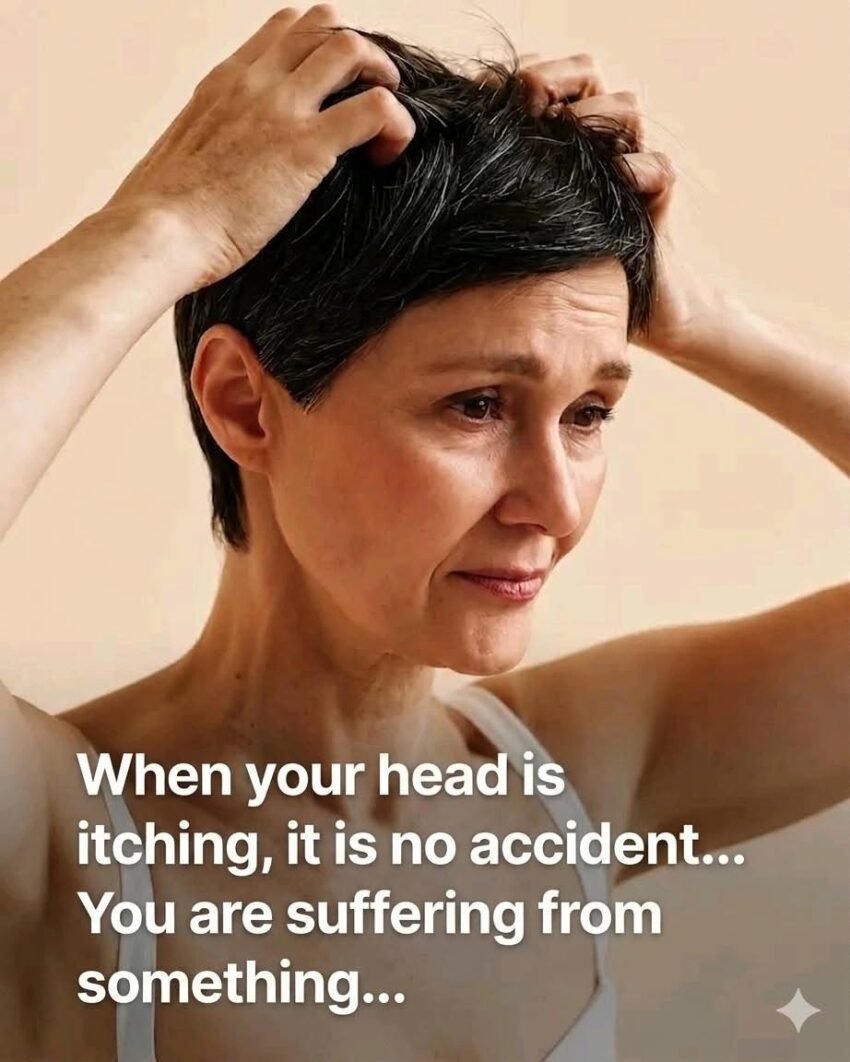
The Root of the Irritation: Understanding What an Itchy Scalp Is Actually Telling You
An itchy scalp is a remarkably common yet deeply frustrating physical sensation. While internet queries or playful prompts occasionally joke about digital metaphors or content platforms, persistent scalp pruritus is entirely physiological. It serves as a direct signal from your skin barrier that something is disrupted, inflamed, or reacting to an external trigger.
Common Medical and Dermatological Causes
Pinpointing the exact driver of a scalp itch requires looking at the pattern of flaking, the presence of redness, and recent changes in your hair care routine.
-
Seborrheic Dermatitis (Dandruff): Driven by an overgrowth of Malassezia yeast—a natural organism that feeds on sebum—this inflammatory condition causes greasy, yellowish, or white scales accompanied by persistent itching.
-
Allergic Contact Dermatitis: A localized immune reaction triggered by ingredients in hair dyes, styling gels, or shampoos. Common culprits include specific fragrances, preservatives, and surfactants like cocamidopropyl betaine.
-
Scalp Psoriasis: An autoimmune manifestation that creates thick, silvery-red or purple scaly plaques on the scalp, leading to intense, deep-seated itching.
-
Dry Scalp (Xerosis): Occurring frequently during dry winter months or due to over-washing with harsh detergents, a dry scalp lacks adequate moisture, resulting in tight, itchy skin.
-
Folliculitis or Tinea Capitis: Bacterial or fungal infections of the hair follicles that can cause tender bumps, pustules, or localized scaling.
Practical Steps for Relief and Management
Resolving chronic scalp discomfort requires targeted care rather than aggressive scratching, which only damages the skin barrier further and risks secondary infection.
-
Switch to Specialized Shampoos: If flaking is present, incorporate an over-the-counter medicated shampoo containing active ingredients like ketoconazole, zinc pyrithione, selenium sulfide, or coal tar.
-
Audit Your Hair Products: Strip back your routine. Eliminate heavy styling products, dry shampoos, and heavily fragranced formulas that may be sensitizing your skin.
-
Adjust Water Temperature: Wash and rinse your hair with lukewarm water instead of hot water, which strips away essential natural oils and worsens dryness.
When home care fails to bring relief, or if you notice severe redness, hair loss, or painful lesions, consult a board-certified dermatologist for a formal evaluation and tailored treatment plan.