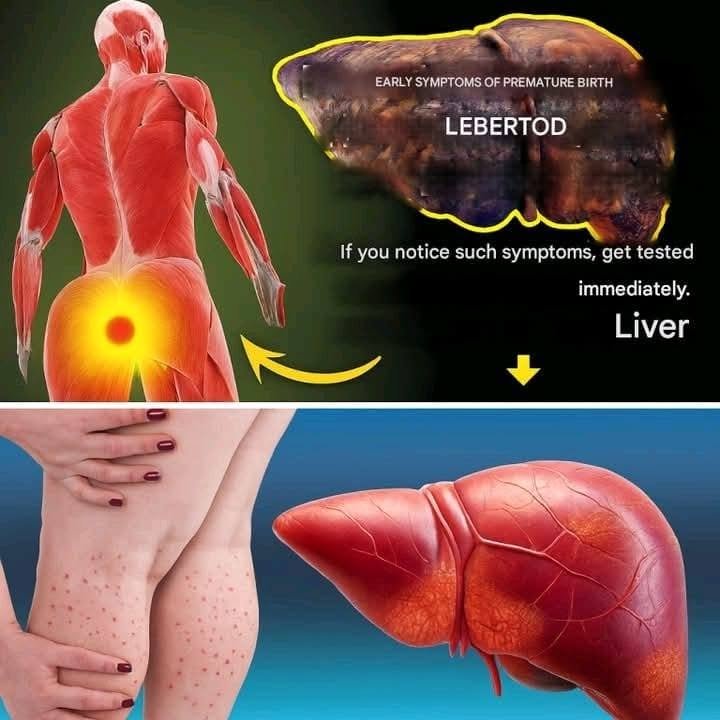
Silent Struggle: 12 Hidden Warning Signs Your Liver Is Begging For Help
Think you are healthy? Your liver might disagree. Discover 12 hidden warning signs of liver stress and disease you should never ignore.
We tend to measure health by what we can see: a flat stomach, clear skin, low resting heart rate, or endurance at the gym. But tucked quietly beneath your right ribcage sits a three-pound metabolic powerhouse that performs over 500 vital functions every single day—filtering toxins, regulating hormones, storing energy, and synthesizing blood-clotting proteins.
The liver is famously resilient, possessing an extraordinary capacity to regenerate. However, this silent workhorse has a dark side: it is entirely devoid of pain receptors. You can lose a significant portion of your liver function before experiencing acute discomfort, meaning early distress signals are often whispered rather than shouted.
When people brush off chronic exhaustion or mild digestive bloating, they may actually be missing the red flags of hepatic stress, non-alcoholic fatty liver disease (NAFLD), or progressive inflammation. Recognizing these 12 hidden warning signs can help you catch liver dysfunction long before it turns critical.
1. Chronic, Unrelenting Fatigue
This is not the ordinary tiredness that follows a long workday or a poor night of sleep. Liver-related fatigue is a profound, systemic exhaustion that sleep fails to fix. When your liver is compromised, its efficiency in processing nutrients and converting them into usable cellular energy plummets. Furthermore, because the organ can no longer filter metabolic waste efficiently, a low-grade accumulation of toxins circulates through your bloodstream, inducing a heavy, sluggish feeling that weighs down your entire body.
2. Unexplained Upper Right Abdominal Discomfort
Because the liver itself lacks nerve endings to signal pain, discomfort doesn’t originate from the tissue of the liver. Instead, irritation, inflammation, or swelling stretches Glisson’s capsule—the sensitive sheath wrapping around the liver. This manifests as a dull, persistent ache, a feeling of fullness, or a heavy pressure directly under your right ribcage, particularly after eating a heavy or fatty meal.
3. Intense, Unexplained Skin Pruritus (Itching)
If you find yourself scratching your arms, legs, palms, or soles without any visible rash, hives, or insect bites, look closer at your metabolic health. When the liver struggles to process and excrete bile acids—a condition known as cholestasis—these salts back up into the bloodstream and deposit under the skin. This triggers intense, deep-seated itching that typically worsens at night and fails to respond to standard moisturizers or antihistamines.
4. Bruising Too Easily and Prolonged Bleeding
Your liver is the primary manufacturing plant for proteins essential for blood coagulation. When liver function declines, it synthesizes fewer clotting factors. You might notice that you develop deep, dark bruises from minor bumps you don’t even remember getting, or that small cuts, nosebleeds, and bleeding gums take an unusually long time to stop.
5. Subtle Shifts in Urine and Stool Color
Your bathroom habits offer an unvarnished mirror into your internal organ health. When the liver processes old red blood cells, it creates a yellow pigment called bilirubin. If your liver or bile ducts are obstructed, bilirubin spills into the kidneys, turning your urine a dark, brownish-amber color (resembling cola). Conversely, if bile fails to reach your digestive tract, your stool loses its normal brown pigment, turning pale, clay-colored, or chalky.
6. Fluid Retention and Swelling (Edema and Ascites)
A struggling liver curtails its production of albumin, a vital blood protein that maintains fluid balance within your circulatory system. When albumin drops, fluid leaks out of the blood vessels and accumulates in surrounding tissues. This first presents as pitting edema—swelling in your feet, ankles, and lower legs—before potentially advancing to ascites, a severe, uncomfortable buildup of fluid within the abdominal cavity that distends the stomach.
7. Brain Fog and Cognitive Shifts
When the liver fails to clear toxins like ammonia from the bloodstream, those toxins cross the blood-brain barrier, resulting in a condition called hepatic encephalopathy. In its early stages, this doesn’t look like medical failure; it looks like uncharacteristic brain fog, poor concentration, short-term memory lapses, subtle mood shifts, or mild confusion that interferes with routine daily tasks.
8. Sudden Muscular Wasting and Weight Fluctuations
While sudden weight gain from fluid retention is common in later stages, early-to-moderate liver dysfunction often disrupts nutrient metabolism, leading to unexpected weight loss, muscle wasting in the arms and legs, and a hollowed-out facial appearance, even if your appetite remains unchanged or you are eating normally.
9. Persistent Nausea and Digestive Intolerance
Because bile production originates in the liver, any hepatic impairment directly disrupts your ability to break down dietary fats. Sufferers frequently experience unexplained nausea, low-grade loss of appetite, aversion to fatty or greasy foods, and a persistent feeling of upper abdominal bloating shortly after starting a meal.
10. Spider Angiomas (Visible Surface Blood Vessels)
Pay attention to your skin above waist level. Spider angiomas are small, dilated arterioles that cluster just beneath the surface of the skin, featuring a central red dot with fine, spider-like capillaries radiating outward. While a single spot is common and harmless, multiple prominent clusters appearing on the chest, face, or shoulders can signal altered estrogen metabolism driven by liver disease.
11. Yellowing of the Eyes and Skin (Jaundice)
Jaundice is perhaps the most classic, unmistakable indicator of advanced liver distress. It occurs when excess bilirubin accumulates in the blood because the liver cannot clear it fast enough. This causes a distinct yellow tint to develop across the skin and the whites of the eyes (sclera). Note: In individuals with deeper skin tones, the yellowing may first be most noticeable in the eyes or under the tongue.
12. Musty or Sweet-Smelling Breath (Fetor Hepaticus)
When the liver’s filtration pathways are severely compromised, sulfur compounds and metabolic byproducts bypass the organ and end up in your lungs, escaping through your breath. This creates a distinct, musty, sweet, or slightly fecal odor to the breath—known clinically as fetor hepaticus—which cannot be resolved with brushing, flossing, or mouthwash.
Comparing Liver Health Indicators: Subtle Signs vs. Advanced Red Flags
| Clinical Category | Early / Subtle Warning Signs | Advanced / Critical Red Flags |
| Energy & Mind | Chronic fatigue, mild brain fog, poor sleep quality | Severe confusion, hepatic encephalopathy, disorientation |
| Skin & Appearance | Localized itching, spider veins on upper torso | Deep jaundice (yellow eyes/skin), severe bruising |
| Abdomen & Fluids | Mild right-upper-quadrant pressure, post-meal bloating | Ascites (massive abdominal fluid accumulation), lower leg edema |
| Excretion | Slightly darker urine, mild stool color variation | Cola-colored urine, completely clay-colored pale stools |
Common Mistakes and How to Fix Them
When people notice unusual changes in their bodies, they often mismanage the warning signs or rely on quick fixes that compound the underlying issue.
-
Relying on “Liver Detox” Cleanse Juices: Many turn to commercial juice cleanses or unregulated herbal supplements promising a quick liver reset. The Fix: The liver detoxifies itself naturally every second of the day if it has proper nutrition. Crash cleanses can actually stress the organ further. Support it instead through whole foods, adequate hydration, minimized processed sugar, and reduced alcohol intake.
-
Ignoring Persistent Symptoms as “Aging”: Brushing off chronic fatigue, mild joint aches, and bloating as a normal part of getting older. The Fix: Track symptoms for two weeks. If fatigue or digestive quirks persist despite lifestyle adjustments, request a basic blood panel (including ALT, AST, ALP, and bilirubin) from your healthcare provider.
-
Overusing Over-the-Counter Pain Relievers: Reaching constantly for acetaminophen or NSAIDs to manage daily headaches or body aches without realizing how heavy the metabolic processing burden is on the liver. The Fix: Consult a physician regarding chronic pain alternatives and strictly adhere to recommended dosing guidelines.
Expert-Level Insights: Protecting Your Metabolic Anchor
Hepatologists and clinical researchers emphasize that liver disease is no longer exclusively tied to heavy alcohol consumption. Metabolic Dysfunction-Associated Steatotic Liver Disease (MASLD)—formerly known as non-alcoholic fatty liver disease—has surged across Western populations, driven largely by insulin resistance, high fructose corn syrup consumption, and visceral adiposity.
The most effective, evidence-backed strategy to protect and reverse early-stage liver stress involves stabilizing blood sugar levels. When you consume excess refined carbohydrates and sugars, your liver converts the surplus glucose into fat via de novo lipogenesis, crowding your hepatic cells and triggering chronic low-grade inflammation. Lowering processed sugar intake, engaging in consistent resistance training, and maintaining a healthy body weight reduce liver fat content more reliably than any supplement on the market.
Frequently Asked Questions
Can a fatty liver reverse itself naturally?
Yes. In its early stages, simple fatty liver disease is entirely reversible. Losing 5% to 10% of body weight through balanced nutrition, eliminating added sugars, and increasing physical activity can clear accumulated fat and normalize liver enzymes within months.
What blood tests check for liver health?
A standard Liver Function Test (LFT) panel measures specific enzymes and proteins in your blood, including Alanine Aminotransferase (ALT), Aspartate Aminotransferase (AST), Alkaline Phosphatase (ALP), albumin, and total bilirubin. Abnormal levels flag cellular inflammation or impaired processing capacity.
Does alcohol cause all liver disease?
No. While chronic alcohol misuse is a primary driver of cirrhosis, a growing percentage of liver damage is non-alcoholic, stemming from metabolic syndrome, type 2 diabetes, obesity, certain medications, and autoimmune conditions like autoimmune hepatitis.
Why does liver damage cause skin itching without a rash?
When the liver fails to properly excrete bile acids, these compounds leak into the systemic bloodstream and accumulate beneath the dermal layers of the skin, irritating nerve endings and triggering an intense, deep itch.
Are supplements like milk thistle effective for liver health?
Clinical data on milk thistle (specifically its active compound, silymarin) show mixed results. While it possesses antioxidant properties that may help protect liver cells from certain toxins, it is not a cure-all and should never replace medical treatment for diagnosed liver disease.
Can low physical activity impact liver function?
Sedentary lifestyles contribute heavily to insulin resistance and fat accumulation around internal organs. Regular cardiovascular exercise and resistance training help improve insulin sensitivity, reducing the fat burden on the liver.
What is the difference between hepatitis and cirrhosis?
Hepatitis refers to general inflammation of the liver tissue, which can be acute or chronic (often caused by viruses or lifestyle factors). Cirrhosis is the late-stage consequence of chronic scarring and fibrosis, where healthy liver tissue is permanently replaced by scar tissue, impairing function.
When should I see a doctor immediately about liver symptoms?
Seek urgent medical evaluation if you experience sudden yellowing of the skin or eyes (jaundice), severe abdominal swelling, vomiting blood or material that looks like coffee grounds, black tarry stools, or sudden, acute mental confusion.
Action Checklist
-
What to do: Schedule an annual routine metabolic blood panel with your physician, prioritize whole foods, minimize added sugars and processed fats, maintain stable hydration, and track any persistent physical changes like unusual fatigue or bruising.
-
What to avoid: Self-diagnosing with random detox teas, ignoring persistent upper right abdominal discomfort, overusing over-the-counter pain medications without guidance, and assuming fatty liver cannot happen without heavy alcohol use.
Your liver rarely gives loud warnings until damage is severe; listening to its subtle early whispers through fatigue, skin changes, and digestive shifts can save your long-term health.