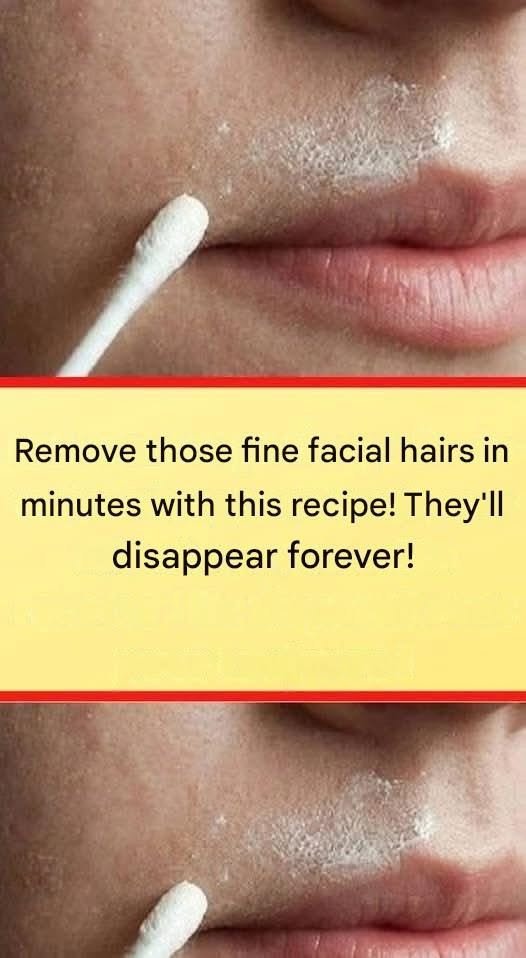
This Natural Recipe Will Permanently Remove Facial Hair: Fact vs. Reality
Dealing with unwanted upper lip or chin hair can be an exhausting daily battle. The internet is flooded with viral DIY recipes claiming to permanently zap away facial hair for good. Let’s look at what these popular natural masks actually do, and what you need to know before putting them on your face.
Looking for a natural remedy for facial hair? Explore popular DIY hair removal masks, separate kitchen myths from skin facts, and discover safe options.
The Allure of the Kitchen Remedy
If you spend any time scrolling through beauty forums or video-sharing platforms, you’ve likely stumbled upon dramatic tutorials promising smooth, hair-free skin using everyday items like turmeric, lemon juice, sugar, and egg whites.
The promise is intoxicating. Instead of spending hundreds of dollars on laser hair treatments, painful waxing appointments, or tedious daily plucking, you simply mix a sticky paste in your kitchen, slather it on your face, peel it away, and—supposedly—your hair follicles are permanently eradicated.
It sounds like a dream come true. But before you whip up a batch of sticky DIY wax, let’s talk about biological reality. Can a kitchen spice mix actually change your hair growth permanently?
The Science of Hair Growth (and Why “Permanent” DIY is a Myth)
To understand why natural remedies cannot permanently remove facial hair, you have to look at skin anatomy.
Hair grows from structures deep beneath the skin’s surface called hair follicles. To stop hair from growing back permanently, you must either thermally destroy the blood supply and germ cells at the root (via professional laser hair removal or electrolysis) or alter your systemic hormones.
Topical kitchen ingredients—no matter how exfoliating or astringent they are—only interact with the hair shaft sitting above the skin or the outermost layer of dead skin cells. They cannot penetrate deep enough into the dermis to kill a hair follicle.
At best, many traditional natural recipes act as mechanical or chemical exfoliants. When you apply a thick, sticky sugar paste and peel it off (sugaring/waxing), you pull the hair out from the root, providing weeks of smooth skin. But because the follicle is undamaged, it will always grow back.
Popular DIY “Hair Removal” Recipes and What They Actually Do
Let’s examine two of the most viral natural recipes circulating online and what they are truly capable of:
1. The Turmeric and Milk (or Rose Water) Paste
-
The Claim: Turmeric weakens the hair roots and stunts future growth while lightening the skin.
-
The Reality: Turmeric is a fantastic, antioxidant-rich spice with anti-inflammatory properties, and it has been used in South Asian beauty traditions (like the traditional ubtan) for centuries to brighten skin and exfoliate. However, it does not destroy hair follicles. Warning: If you leave raw turmeric on your skin too long, it will temporarily dye your face a bright, unmissable shade of yellow!
2. The Egg White, Sugar, and Cornstarch Peel-Off Mask
-
The Claim: As the egg white mixture dries tight against the skin and is peeled away, it rips out facial hair and permanently closes the follicles.
-
The Reality: This acts essentially like a homemade pore strip or DIY wax. It can temporarily yank out fine vellus hair (peach fuzz) and clear out dead skin cells, leaving your face feeling smooth. But it provides only temporary mechanical removal, similar to waxing.
Comparative Analysis: DIY Natural Methods vs. Professional Hair Removal
| Hair Removal Method | How It Works | Is It Permanent? | Potential Risks |
| DIY Kitchen Pastes (Sugaring/Turmeric) | Surface exfoliation and mechanical pulling of hair shafts. | No (Hair grows back within weeks). | Skin irritation, allergic contact dermatitis, temporary staining. |
| Shaving / Dermaplaning | Trims the hair flush with the skin surface. | No (Hair regrows quickly). | Minor razor burn or nicks. |
| Professional Laser Hair Removal | Concentrated light energy damages the hair follicle at the root. | Semi-Permanent / Long-Lasting (Significant hair reduction). | Requires multiple sessions; costly. |
| Electrolysis | Uses electrical current to destroy the hair root cell by cell. | Yes (The only FDA-approved method for permanent hair removal). | Time-consuming; can be painful. |
Common Pitfalls and Skin Safety Warnings
Natural ingredients are often viewed as completely harmless, but putting food items on your facial skin can sometimes backfire:
-
Pitfall 1: Severe Contact Dermatitis.
-
The Danger: Essential oils, raw lemon juice, and strong spices like turmeric or unrefined plant extracts can trigger severe allergic reactions, redness, burning, or contact dermatitis on sensitive facial skin.
-
-
Pitfall 2: Tearing Delicate Facial Skin.
-
The Danger: Thick, DIY peel-off masks made with egg whites or heavy glue-like sugars can pull too aggressively on thin facial skin, leading to broken capillaries or micro-tears.
-
-
Pitfall 3: Clogged Pores and Breakouts.
-
The Danger: Heavy kitchen ingredients or dairy fats used in DIY masks can easily clog pores, triggering unexpected breakouts or fungal acne flare-ups.
-
Frequently Asked Questions
1. Can any natural remedy permanently stop facial hair growth?
No. There is currently no scientifically proven natural food recipe or topical herb that can permanently destroy a hair follicle to prevent future growth.
2. Why does facial hair seem to grow back thicker after waxing or DIY removal?
It doesn’t actually grow back thicker or coarser. When a hair is pulled out from the root, the new hair grows back with a blunt, tapered tip rather than a soft, fine tip, which can feel thicker or stubblier as it breaks through the skin.
3. What causes excessive facial hair in women?
While some facial hair is entirely normal due to genetics and ethnicity, sudden or excessive dark, coarse facial hair growth (hirsutism) can be linked to hormonal imbalances, such as Polycystic Ovary Syndrome (PCOS) or thyroid shifts. Consulting an endocrinologist or dermatologist is recommended if you notice sudden changes.
4. Is sugaring safer than waxing for facial hair?
Generally, yes. Sugaring paste adheres only to the hair and dead skin cells rather than living skin tissue, making it slightly gentler than traditional wax, though it still requires caution on sensitive facial skin.
5. How can I safely manage unwanted facial hair at home?
Dermaplaning with a sterile single-blade facial razor, threading, tweezing, or using gentle hair-removal creams formulated specifically for the face are common, controlled methods. Always follow up with soothing, fragrance-free moisturizers.
Action Checklist
What to Do:
-
Perform a patch test on your inner wrist before applying any DIY kitchen paste to your face.
-
Consult a dermatologist or endocrinologist if you experience sudden, thick, or abnormal facial hair growth to check hormone levels.
-
Focus on gentle exfoliation and moisturizing to keep your skin barrier healthy.
What to Avoid:
-
Believing viral claims that a simple food recipe can permanently destroy facial hair follicles.
-
Using harsh, acidic ingredients like pure lemon juice undiluted on your face, which can cause chemical irritation or sun sensitivity.
While natural DIY masks and sugaring pastes can act as fun, exfoliating spa treatments that provide temporary smoothness, they cannot permanently remove facial hair. Approach viral kitchen hacks with a healthy dose of skepticism, and protect your delicate facial skin from unnecessary irritation.