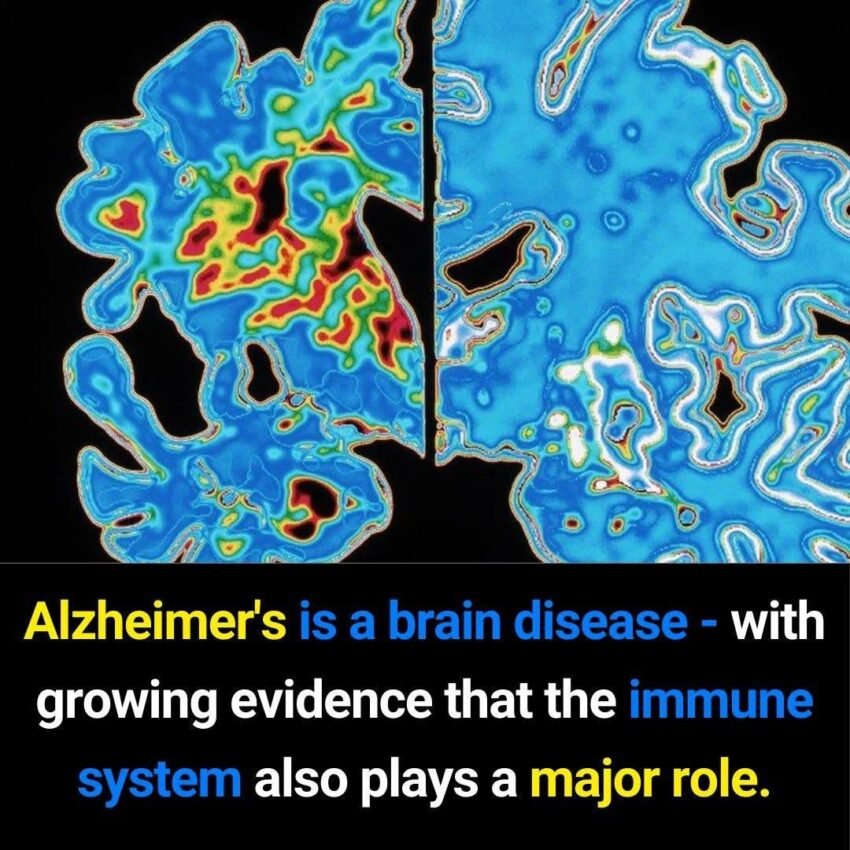
The Triad of Vitality: How Brain Health, Immunity, and Vascular Function Interlock
Why Your Mind Cannot Thrive Unless Your Blood Vessels and Defense Systems Work as One
For generations, modern medicine studied the human body like a collection of specialized corporate departments. Neurology looked exclusively at the brain, immunology focused on white blood cells and pathogens, and cardiology or vascular medicine mapped the highways of the heart and veins.
The human body does not operate in silos.
Cutting-edge research reveals that brain health, immune function, and vascular integrity form an inseparable, tripartite loop. You cannot optimize cognitive performance or protect against long-term neurological decline by focusing on the brain alone. The neurons firing between your ears rely entirely on the purity of your immune responses and the uninhibited flow of your vascular network.
Understanding how these three pillars communicate transforms how we approach wellness, energy, and longevity.
The Neurovascular Unit: Where Blood Meets Thought
The brain is an absolute metabolic powerhouse. Though it accounts for roughly 2 percent of an adult’s total body weight, it consumes nearly 20 percent of the body’s resting energy and oxygen. This immense demand is met by an astonishing network of blood vessels—if you laid out all the capillaries in a single human brain end-to-end, they would stretch for roughly 400 miles.
This relationship is managed by the neurovascular unit (NVU), a dynamic cooperative matrix composed of neurons, astrocytes (support cells), and endothelial cells lining the blood vessels.
-
Cerebral Blood Flow as Fuel: Every thought, emotional shift, and memory retrieval requires an immediate, localized spike in glucose and oxygen delivered precisely where it is needed—a process known as neurovascular coupling.
-
The Cost of Vascular Rigidity: When systemic vascular health declines due to poor diet, chronic stress, or sedentary living, cerebral arteries lose their elasticity. Micro-vessels stiffen, reducing micro-blood flow and starving delicate neural tissues of essential nutrients, leading to cognitive fatigue, brain fog, and structural micro-injuries over time.
The Immune-Brain Bridge: Inflammation and Neuroimmunology
For decades, medical textbooks taught that the central nervous system was “immune-privileged”—an isolated sanctuary completely walled off from the body’s immune system. We now know this is a misconception. The brain and the immune system engage in a constant, sophisticated dialogue.
Specialized immune cells reside directly within the central nervous system. Microglia act as the brain’s resident custodial and defense crew, constantly patrolling neural pathways, clearing cellular debris, and pruning unused synaptic connections to keep signaling clean and efficient.
However, this intricate partnership creates vulnerability:
-
The Danger of Systemic Inflammation: When chronic low-grade inflammation flares up in the body—driven by poor gut health, chronic psychological stress, or persistent infections—inflammatory signaling molecules called cytokines cross or signal across the blood-brain barrier.
-
Activation of Microglial Overdrive: Once triggered by systemic inflammation, microglia can shift from a protective state into a chronic inflammatory response. This neuroinflammation damages surrounding neurons, disrupts neurotransmitter balance (frequently triggering anxiety, depression, and cognitive slowdown), and accelerates neurodegeneration.
The Vascular-Immune Feedback Loop
The intersection of vascular health and immunity is equally profound. Your blood vessels are not passive plumbing pipes; they are living, responsive organs lined with a delicate single-layer tissue called the endothelium.
When your immune system functions harmoniously, the endothelium remains resilient and smooth. However, when systemic inflammation runs high, endothelial cells become dysfunctional. They start expressing adhesion molecules that trap immune cells, encouraging plaque buildup (atherosclerosis) and narrowing the very blood vessels that supply the brain.
This creates a vicious feedback loop:
-
Poor vascular health restricts clean blood flow to the brain.
-
Oxygen-starved neural tissue experiences cellular stress, releasing distress signals.
-
These distress signals activate local immune responses (microglia), which ramp up localized inflammation.
-
The resulting inflammatory chemicals further degrade vascular walls, worsening systemic and cerebral circulation.
Actionable Strategies to Optimize the Triad
Because these three systems are deeply interconnected, an intervention that supports one naturally uplifts the other two.
-
Prioritize Zone 2 and Strength Exercise: Consistent physical activity increases the production of nitric oxide, a crucial molecule that dilates blood vessels, enhances cerebral blood flow, and stimulates the release of brain-derived neurotrophic factor (BDNF), which supports new neuron growth.
-
Target Gut-Driven Immunity: Roughly 70 percent of your immune system resides in your gut. Eating a fiber-rich diet abundant in polyphenols fosters a balanced microbiome, which directly reduces systemic inflammatory cytokines that cross into the brain.
-
Protect Your Sleep Architecture: Deep sleep triggers the glymphatic system—the brain’s unique nocturnal plumbing wash cycle that clears out metabolic waste, amyloid proteins, and inflammatory byproducts accumulated during the day.
-
Manage Chronic Stress: Prolonged cortisol elevation tightens blood vessels, raises blood pressure, and suppresses balanced immune function, directly sabotaging both the vascular and neuroimmune networks.
The health of your mind is inextricably tied to the health of your circulation and the balance of your immune responses. When you care for your body as an integrated, unified ecosystem rather than separate parts, you unlock true cognitive resilience, sustained energy, and long-term vitality.