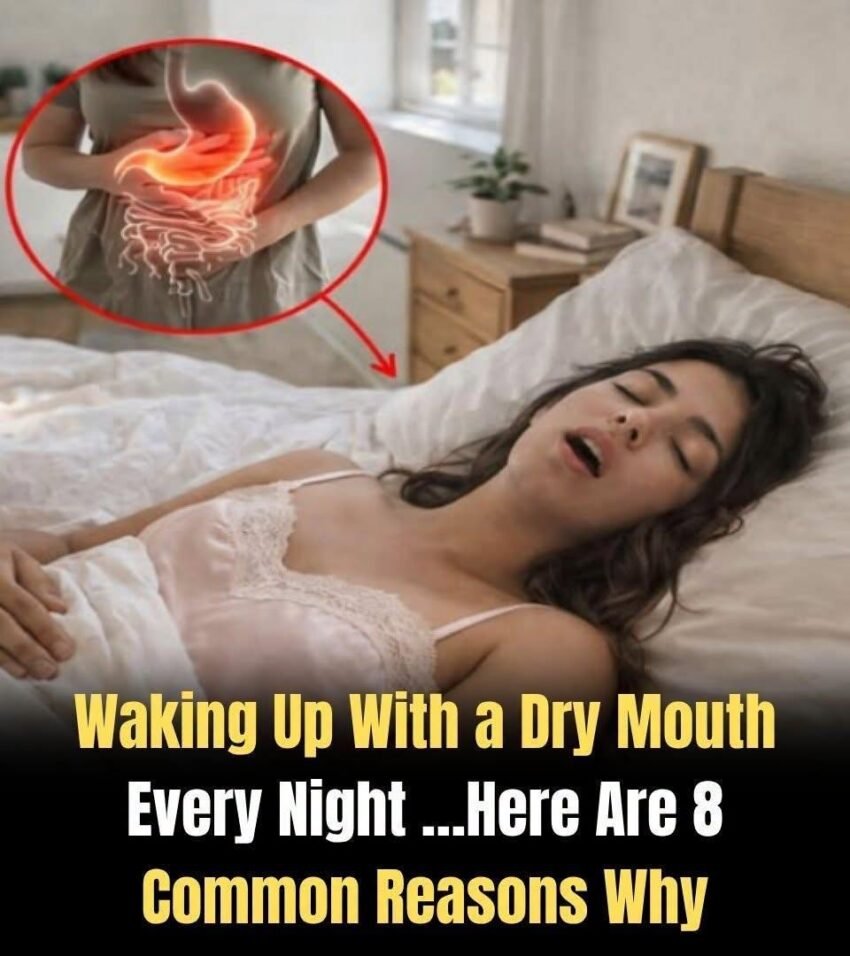
Waking Up With a Dry Mouth Every Night? Here Are 8 Common Reasons Why
Discover why waking up with a parched throat and sticky mouth happens night after night, the hidden health triggers behind nocturnal dry mouth, and practical steps to find relief.
There are few sensations quite as unpleasant as waking up in the middle of the night or first thing in the morning with a mouth that feels like the Sahara Desert. Your tongue sticks to the roof of your mouth, swallowing is a chore, and your throat feels scratchy and parched.
While most people brush it off as a minor annoyance caused by a warm bedroom or a late-night snack, chronic nocturnal dry mouth—clinically known as xerostomia—is often your body’s way of signaling that something in your daily habits, environment, or physiology needs attention.
Saliva is not just water; it is a vital biological fluid loaded with protective enzymes, minerals, and antibodies that prevent tooth decay, control oral bacteria, and keep your delicate mucous membranes healthy. When your salivary glands shut down or fail to keep up overnight, your oral health and sleep quality take a serious hit.
This deep-dive investigation explores the eight most common reasons you might be waking up with a dry mouth every night and what you can do to fix it.
1. Mouth Breathing Due to Nasal Congestion or Deviated Septum
By far the most common culprit behind nighttime dry mouth is how you breathe while sleeping. If your nasal passages are blocked due to chronic allergies, a deviated septum, nasal polyps, or sinus inflammation, your body automatically switches to mouth breathing.
-
The Mechanism: As you inhale and exhale through your mouth all night, a continuous stream of air passes over your oral tissues, rapidly evaporating the thin film of protective saliva.
-
The Fix: Address underlying nasal congestion with saline rinses, air purifiers, or treating seasonal allergies. Some individuals find success using gentle nasal dilators or chin straps designed to encourage nasal breathing.
2. Side Effects From Common Medications
If you take prescription or over-the-counter medications, your nightly dry mouth may have a chemical origin. Over 400 different drugs list dry mouth as a primary side effect.
-
The Culprits: Antihistamines, decongestants, blood pressure medications (like diuretics and beta-blockers), antidepressants, and anxiety drugs frequently suppress salivary gland secretion.
-
The Fix: Never stop taking a prescribed medication on your own, but do consult your physician or pharmacist to discuss whether your dosing schedule can be adjusted or if an alternative medication with lower anticholinergic effects is available.
3. Mild Chronic Dehydration
It sounds simple, but many people simply do not drink enough water throughout the day, or they consume too many dehydrating fluids right before bed.
-
The Mechanism: When total body hydration drops, your brain prioritizes sending water to vital internal organs like your heart and brain, dialing back production in non-essential secretory glands—including your salivary glands.
-
The Fix: Prioritize steady water intake throughout the day rather than chugging a massive glass right before bed (which will only force midnight bathroom trips).
4. Evening Caffeine and Alcohol Consumption
That relaxing glass of wine with dinner or an afternoon iced coffee might be sabotaging your night.
-
The Mechanism: Both alcohol and caffeine are potent diuretics that increase urine production and deplete systemic hydration. Furthermore, alcohol relaxes the soft palate and throat muscles, which increases snoring and subsequent mouth breathing.
-
The Fix: Cut off caffeine intake by early afternoon and limit alcohol consumption to the early evening, always balancing alcoholic drinks with a full glass of water.
5. Obstructive Sleep Apnea (OSA)
If your dry mouth is accompanied by loud snoring, gasping for air during the night, or excessive daytime fatigue, it could be a sign of a more serious condition: obstructive sleep apnea.
-
The Mechanism: In OSA, the airway repeatedly collapses during sleep, forcing the individual to gasp through an open mouth, instantly drying out oral tissues.
-
The Fix: If you suspect sleep apnea, request a formal evaluation or sleep study from your doctor. Continuous Positive Airway Pressure (CPAP) therapy or oral appliance therapy often resolves both the breathing pauses and the chronic dry mouth.
6. Indoor Environmental Factors (Dry Air and Low Humidity)
Your bedroom environment plays a massive mechanical role in how your mucous membranes feel by morning.
-
The Culprits: Running central heating during winter, blasting air conditioning in the summer, or living in arid climates creates a low-humidity bedroom environment.
-
The Fix: Invest in a quality cool-mist humidifier to place near your bed. Maintaining a bedroom humidity level between 40% and 50% prevents the air from pulling moisture directly out of your mouth while you sleep.
7. Natural Aging and Physiological Changes
As we age, our bodies undergo natural structural shifts, and salivary gland hypofunction becomes increasingly common among older adults.
-
The Mechanism: While aging alone doesn’t automatically stop saliva production, older adults are statistically more likely to take multiple medications and experience underlying health shifts that reduce salivary flow.
-
The Fix: Use over-the-counter artificial saliva substitutes, xylitol-based moisturizing lozenges designed for night use, or a hydrating mouthwash formulated specifically for dry mouth before bed.
8. Mouth Anatomy (Large Tonsils or Narrow Airways)
Sometimes, physical anatomy is the primary barrier. Individuals born with naturally narrow nasal passages, large tonsils, adenoids, or a recessed jaw structure are physically predisposed to airway resistance during sleep.
-
The Mechanism: This resistance forces oral breathing, bypassing the natural humidification and filtration process that occurs when air passes through the nasal cavity.
-
The Fix: Consult an Ear, Nose, and Throat (ENT) specialist to evaluate your airway structure and determine if minor structural interventions can improve your breathing efficiency.
Comparative Overview: Common Causes and Solutions
| Root Cause | Key Warning Signs | Effective Immediate Solution | Long-Term Fix |
| Mouth Breathing | Dry lips, snoring, waking with parched throat | Bedroom humidifier, saline nasal rinse | Allergy management or ENT evaluation |
| Medication Side Effects | Onset correlates with new prescription | Xylitol lozenges, artificial saliva spray | Medication review with physician |
| Dehydration | Dark morning urine, thirst during day | Consistent daytime hydration | Balanced electrolyte intake |
| Sleep Apnea | Gasping, loud snoring, morning fatigue | Sleeping on your side | Formal sleep study and CPAP therapy |
Common Mistakes When Trying to Fix Dry Mouth
-
Reaching for Sugary Candies or Mints: Sucking on standard commercial mints or hard candies to stimulate saliva introduces a bath of sugar to your teeth all night long. Without saliva to wash it away, this leads to rapid, severe tooth decay. Always choose xylitol-based sugar-free alternatives.
-
Ignoring Oral Health Risks: Chronic dry mouth strips your teeth of their natural armor, drastically increasing your risk of cavities and gum disease. Neglecting regular dental checkups while suffering from dry mouth is a recipe for oral health trouble.
-
Using Alcohol-Based Mouthwashes: Using harsh, alcohol-based commercial mouthwashes before bed will further dry out and irritate your oral mucosa. Switch strictly to alcohol-free, hydrating mouthwashes.
Action Checklist
-
Add Moisture: Place a cool-mist humidifier in your bedroom and keep it running through the night.
-
Audit Your Evening Habits: Eliminate caffeine and alcohol several hours before bedtime and replace them with plain water.
-
Choose Sugar-Free Relief: Keep xylitol lozenges or moisturizing sprays on your nightstand for middle-of-the-night relief.
-
Review Medications: Check your medication labels for dry mouth warnings and speak with your doctor about alternatives if necessary.
-
Consult a Professional: Schedule an appointment with your dentist or doctor if nocturnal dry mouth persists despite environmental changes.
Waking up with a dry mouth every night is more than just a minor daily nuisance—it is a clear message from your body that your nighttime breathing, hydration, or medication routine needs adjustment. By identifying whether your parched mornings stem from mouth breathing, environmental dryness, or underlying health factors, you can take proactive steps to protect your oral health, improve your sleep, and wake up feeling refreshed.
What helps you most when you wake up with a dry mouth in the middle of the night? Share your experience in the comments below!