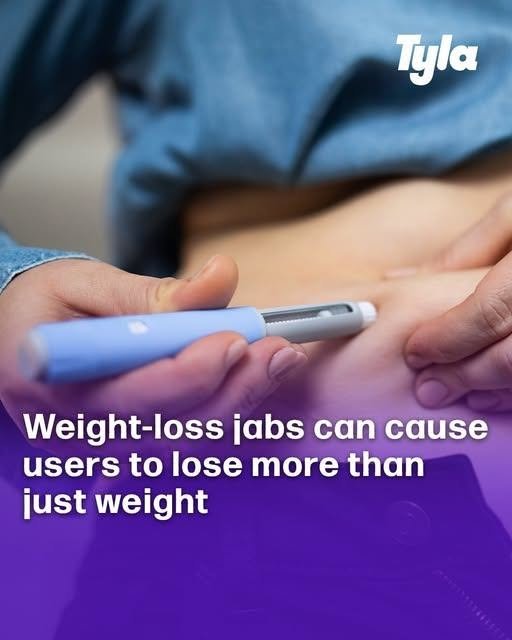
Weight-Loss Jabs Can Cause Users to Lose More Than Just Weight: What You Need to Know
Weight-loss injections can help people lose significant weight, but they may also affect muscle, nutrition, and overall health. Learn the facts before starting treatment.
Introduction
Weight-loss injections have become one of the biggest developments in modern obesity treatment. For many people, these medications have offered new hope after years of struggling with weight management.
But as the number of users grows, doctors are paying closer attention to an important question:
Are people losing only fat—or are they losing something else too?
Medications such as GLP-1 receptor agonists can support significant weight loss by reducing appetite and helping people feel full for longer. However, rapid weight loss can sometimes involve changes beyond the number on the scale, including reductions in muscle mass, changes in eating habits, and possible nutritional challenges.
The goal of healthy weight loss is not simply becoming lighter. It is improving health while preserving strength, energy, and quality of life.
How Weight-Loss Injections Work
Weight-loss jabs, including medicines that target the GLP-1 pathway, work by mimicking hormones involved in appetite regulation.
They may help by:
- Reducing hunger signals
- Increasing feelings of fullness
- Slowing digestion
- Helping regulate blood sugar levels
Because people often eat less while taking these medications, weight loss can occur over time.
For many patients with obesity or related health conditions, these medications can be an important medical tool when prescribed and monitored appropriately.
The Hidden Side of Weight Loss: Muscle Loss
One of the biggest concerns researchers are studying is loss of lean body mass, which includes muscle.
When someone loses weight, the body usually loses a combination of:
- Fat
- Water
- Muscle tissue
The proportion varies depending on diet, activity level, age, genetics, and the speed of weight loss.
Muscle matters because it supports:
- Strength
- Balance
- Mobility
- Metabolism
- Independence as we age
A smaller number on the scale does not automatically mean better health if significant muscle is lost along the way.
Why Muscle Preservation Matters
Many people focus only on weight because it is easy to measure.
But two people can weigh the same while having very different health profiles.
Someone with more muscle mass may have:
- Better physical function
- Greater strength
- Improved ability to perform daily activities
This is especially important for older adults, who naturally experience age-related muscle loss.
Doctors often encourage patients using weight-loss medications to focus on body composition, not just weight.
How to Protect Muscle While Losing Weight
Healthy weight loss involves more than reducing calories.
1. Prioritise Protein
Protein provides the building blocks needed to maintain muscle.
Good sources include:
- Eggs
- Fish
- Lean meats
- Greek yoghurt
- Beans
- Lentils
- Tofu
A healthcare professional or registered dietitian can help determine individual protein needs.
2. Include Strength Training
Resistance exercise is one of the most effective ways to support muscle.
Examples include:
- Weight training
- Resistance bands
- Bodyweight exercises
- Functional movements such as squats
Even simple routines can help when performed consistently.
3. Avoid Extreme Restriction
Some people taking appetite-suppressing medications may unintentionally eat too little.
Signs of inadequate intake may include:
- Low energy
- Weakness
- Dizziness
- Difficulty meeting nutritional needs
Regular monitoring can help prevent problems.
Other Possible Effects of Weight-Loss Jabs
Weight-loss medications can have side effects. These vary from person to person.
Common effects may include:
- Nausea
- Vomiting
- Constipation
- Diarrhoea
- Reduced appetite
Some people may also experience difficulty eating enough nutritious food because hunger signals are significantly reduced.
Healthcare providers may adjust dosage or provide guidance to improve tolerance.
The Emotional Side of Rapid Weight Loss
Weight loss is not only physical.
Some people experience unexpected emotional changes, including:
- Adjusting to a changing body image
- Feeling pressure to maintain results
- Anxiety about regaining weight
- Changes in relationships with food
Long-term success usually involves building sustainable habits alongside medication.
Are Weight-Loss Jabs Safe?
For many eligible patients, these medications can be safe and effective when prescribed by a qualified healthcare professional.
However, they are not suitable for everyone.
Doctors consider factors such as:
- Medical history
- Current medications
- Existing health conditions
- Weight-related risks
- Personal goals
Self-prescribing or using medications without medical supervision can create unnecessary risks.
The Importance of Long-Term Thinking
Weight-loss injections are not magic solutions.
They work best when combined with:
- Balanced nutrition
- Physical activity
- Sleep improvement
- Behaviour changes
- Regular medical follow-up
Many experts view these medications as part of a broader treatment plan rather than a replacement for healthy habits.
A Real-Life Example
Consider someone who begins a weight-loss injection after years of struggling with obesity.
Over several months, they lose significant weight and feel encouraged. However, they notice they are weaker during everyday activities.
After speaking with their healthcare provider, they adjust their approach:
- Increase protein intake
- Add resistance training
- Monitor muscle strength
The result is a healthier approach—not just losing weight, but improving overall fitness.
Common Mistakes People Make
Mistake 1: Focusing Only on the Scale
Weight is one measurement, not the complete picture.
Better approach: Track strength, energy, fitness, and health markers too.
Mistake 2: Eating Too Little
Reduced appetite can make it easy to under-consume nutrients.
Better approach: Prioritise nutrient-dense meals.
Mistake 3: Avoiding Exercise
Medication may reduce weight, but exercise helps preserve function.
Better approach: Include both movement and resistance training.
Mistake 4: Expecting Immediate Results
Healthy body changes take time.
Better approach: Focus on sustainable progress.
Benefits and Challenges of Weight-Loss Injections
| Potential Benefits | Possible Challenges |
|---|---|
| Reduced appetite | Gastrointestinal side effects |
| Significant weight loss for some users | Possible muscle loss |
| Improved blood sugar control | Cost and accessibility |
| Support for obesity treatment | Requires medical monitoring |
Frequently Asked Questions
1. Do weight-loss injections only burn fat?
No. Weight loss can include fat, water, and some lean tissue. Maintaining muscle is an important part of healthy weight management.
2. Can you prevent muscle loss while using weight-loss medication?
Yes. Adequate protein intake and resistance training can help support muscle preservation.
3. Are weight-loss jabs suitable for everyone?
No. They are prescribed based on individual health factors and medical eligibility.
4. Will weight come back after stopping the medication?
Some people regain weight after stopping treatment, especially if lifestyle habits and long-term strategies are not maintained.
5. Can these medications replace exercise?
No. Exercise remains important for strength, heart health, and overall wellbeing.
6. Are side effects common?
Some users experience side effects, particularly digestive symptoms. A healthcare professional can help manage them.
7. Are weight-loss injections a quick fix?
They are medical treatments, not shortcuts. Long-term results usually require ongoing lifestyle support.
8. Should older adults be especially careful?
Older adults may need extra attention to muscle preservation because muscle loss can affect mobility and independence.
Healthy Weight-Loss Checklist
Do:
✔ Follow medical guidance
✔ Eat enough protein
✔ Include strength exercises
✔ Monitor energy and strength levels
✔ Focus on overall health, not only weight
Avoid:
✘ Extreme calorie restriction
✘ Ignoring weakness or fatigue
✘ Using medication without professional guidance
✘ Measuring success only by the scale
Final Thoughts
Weight-loss injections have changed the way many people approach obesity treatment. For some, they can provide meaningful improvements in weight, blood sugar, and overall health.
But weight loss is about more than losing kilograms. Protecting muscle, maintaining nutrition, and building healthy habits are essential parts of the journey.
The best outcome is not simply becoming smaller—it is becoming healthier, stronger, and better able to enjoy everyday life.
Weight-loss jabs can be powerful tools, but successful treatment means looking beyond the scale and protecting the strength and nutrition your body needs.