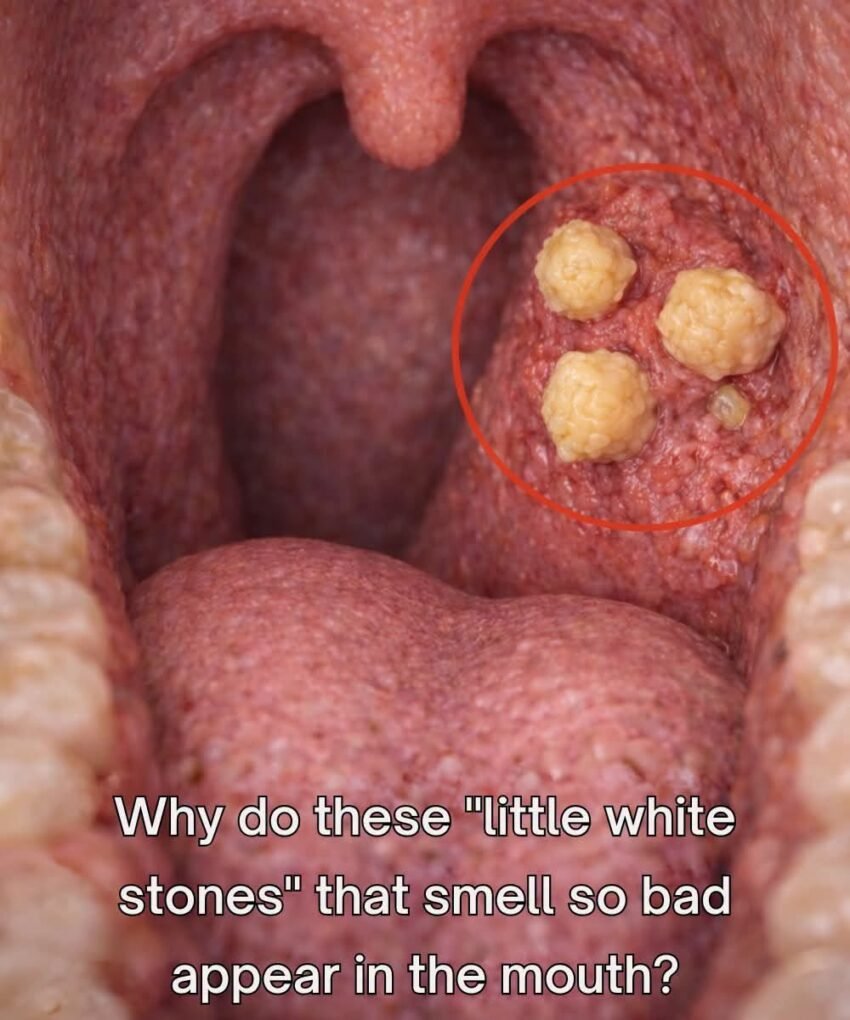
The Hidden Culprit Behind Mysterious Bad Breath: Understanding Tonsil Stones
If you have ever felt a strange, hard lump in the back of your throat, coughed up a tiny, off-white pebble, or dealt with a stubborn case of bad breath that refuses to go away no matter how many times you brush and floss, you might have encountered one of the mouth’s best-kept secrets.
Medically known as tonsilloliths, these small white or yellowish formations are more common than most people realize. While they are usually harmless, their presence can cause persistent frustration, social anxiety, and physical discomfort.
What Are Tonsil Stones and Why Do They Form?
To understand tonsil stones, you have to look closely at the architecture of your tonsils. Human tonsils are not smooth surfaces; they are mapped with deep folds, pockets, and crevices called tonsillar crypts.
These crypts act as natural traps designed to catch bacteria, viruses, and foreign particles entering the body so the immune system can process them. However, when microscopic debris—such as food particles, dead epithelial cells, mucus from post-nasal drip, and oral bacteria—gets trapped inside these folds, it can accumulate and calcify over time. As calcium and other minerals bind to the trapped organic matter, it hardens into small, pebble-like formations known as tonsil stones.
The Direct Link to Halitosis (Bad Breath)
The most common and noticeable symptom of tonsil stones is severe, unyielding bad breath.
The interior of a tonsil stone is a thriving ecosystem for anaerobic bacteria—microorganisms that survive without oxygen. As these bacteria feed on the trapped organic proteins and debris, they release volatile sulfur compounds. These are the exact same chemical compounds responsible for the smell of rotten eggs. Because the source is buried deep within the tonsil crypts rather than on the teeth or tongue surface, standard mouthwash and brushing often fail to touch it.
A Step-by-Step Practical Framework for Safe Removal
If you can see or feel a tonsil stone and want to remove it safely at home without damaging your delicate throat tissue, follow a controlled, gentle approach:
-
Illuminate and Inspect: Stand in front of a bright mirror with a flashlight so you can clearly locate the stone within the tonsil crypts.
-
Gargle with Warm Salt Water: Mix half a teaspoon of salt into a glass of warm water and gargle deeply. This often loosens smaller stones naturally and reduces surface bacteria.
-
Use a Damp Cotton Swab (Optional): If the stone is easily accessible, take a clean, damp cotton swab and apply very gentle pressure next to the stone—never jab directly at it—to guide it out of the pocket.
-
Try a Low-Pressure Oral Irrigator: A water flosser set to its lowest pressure setting can effectively flush out stubborn debris from the crypts without physical abrasion.
-
Stop Immediately if Pain Occurs: If the stone does not budge, or if you experience bleeding or sharp pain, stop immediately. Forcing a deeply embedded stone can lead to severe injury or infection.
Real-World Scenarios: Two Different Experiences
Consider Marcus, who noticed a persistent metallic taste and sour breath despite maintaining immaculate dental hygiene. After inspecting his throat with a flashlight, he spotted a small yellowish nodule embedded in his left tonsil. Using a warm saltwater gargle and a gentle nudge with a cotton swab, he successfully dislodged it, immediately resolving his chronic bad breath.
Conversely, Rachel tried to dig out a deeply embedded tonsil stone using the tip of a clean pen cap and excessive force. She ended up scratching her tonsillar tissue, triggering severe bleeding and a secondary throat infection that required a course of antibiotics from her doctor. Rachel’s experience underscores why gentle handling and patience are non-negotiable.
Comparison of Oral Odor Sources
| Source of Odor | Primary Location | Typical Cause | How to Fix |
| Dental Plaque / Cavities | Teeth and gums | Bacterial breakdown of food particles | Brushing, flossing, dental cleanings |
| Tongue Coating | Surface of the tongue | Accumulation of bacteria and dead cells | Daily tongue scraping |
| Tonsil Stones | Tonsillar crypts | Calcified debris trapped in throat folds | Saltwater gargles, gentle flushing, ENT care |
| Dry Mouth (Xerostomia) | Salivary glands | Reduced saliva flow allowing bacterial overgrowth | Hydration, artificial saliva, chewing sugar-free gum |
Common Mistakes When Dealing with Tonsil Stones
-
Using sharp or hard tools: Attempting to dig out stones with toothpicks, fingernails, or metal instruments, which easily puncture the delicate tissue of the throat.
-
Ignoring the root cause: Relying solely on mints and heavy mouthwash to mask bad breath without checking the back of the throat for structural stone accumulation.
-
Aggressive squeezing: Applying heavy-handed pressure to the tonsils, which causes bruising, inflammation, and deep tissue trauma.
Expert Insights: Long-Term Management and Medical Options
Ear, nose, and throat (ENT) specialists note that while home management works for occasional stones, people with chronic, deeply recurring tonsilloliths may need professional intervention. For severe cases that severely impact quality of life, minor medical procedures like coblation cryptolysis (which uses radiofrequency energy to smooth out the deep pockets in the tonsils) or a traditional tonsillectomy can permanently eliminate the spaces where stones form. However, for most individuals, optimizing daily hydration and keeping the mouth clean keeps them entirely manageable.
Frequently Asked Questions
Are tonsil stones contagious?
No. Tonsil stones are caused by your own body’s cellular debris and bacteria interacting within your unique anatomical structure; you cannot catch them from or pass them to someone else.
What happens if you accidentally swallow a tonsil stone?
Nothing harmful. Swallowing a tonsil stone is completely harmless, and many people swallow them unknowingly during eating or sleeping.
Can children get tonsil stones?
Yes, though they are much more common in teenagers and adults who have fully developed tonsillar crypts and a history of chronic tonsillitis.
Why do some people get tonsil stones while others never do?
It largely comes down to anatomy. People with deeper, more complex tonsillar crypts naturally trap more debris than people with smooth, flat tonsils.
Does removing tonsils permanently stop bad breath caused by stones?
Yes, if tonsil stones are the primary root cause of the halitosis, removing the tonsils entirely ensures they can no longer form.
Can mouthwash dissolve tonsil stones?
Mouthwash cannot dissolve established stones, but antiseptic or saltwater rinses can reduce the surrounding bacteria and help prevent new stones from growing.
Are tonsil stones a sign of poor hygiene?
Not necessarily. Even people with exceptional dental hygiene can develop tonsil stones if they possess deep anatomical crypts and suffer from dry mouth or post-nasal drip.
When should I see a doctor about tonsil stones?
Consult an ENT specialist if your stones are excessively large, cause severe swallowing pain, trigger recurrent infections, or fail to resolve with home care.
Action Checklist for Prevention
-
Do: Stay well-hydrated throughout the day to encourage normal salivary flow and self-cleaning.
-
Do: Incorporate a daily saltwater gargle into your routine after heavy meals.
-
Do: Clean your tongue regularly to cut down on the total bacterial load in your mouth.
-
Avoid: Using sharp objects or excessive force when trying to extract visible stones.
-
Avoid: Ignoring chronic throat discomfort or persistent bad breath that fails to respond to dental care.
Discovering those small white stones can be jarring, but armed with the right knowledge and gentle care techniques, you can successfully manage them and reclaim your fresh breath.
Those stubborn white spots are simply calcified debris trapped in your throat’s natural folds—harmless to your overall health, but worth managing with gentle hygiene and hydration to keep your breath fresh.