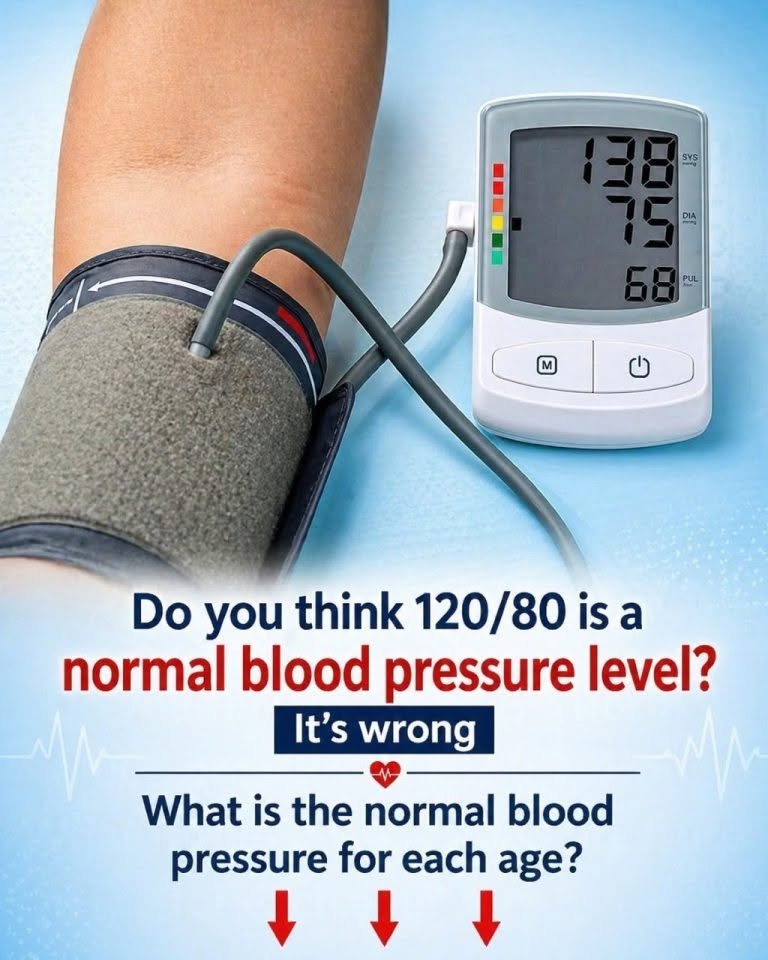
What Is Normal Blood Pressure for Your Age? A Clear, Updated Guide
Learn what normal blood pressure looks like by age, what your numbers mean, and how to keep your heart and blood vessels healthy.
What Is Normal Blood Pressure for Your Age? A Clear, Updated Guide
You check your blood pressure and see two numbers:
128/82
or maybe
145/90
Then comes the question many people ask:
“Is this normal for my age?”
Blood pressure can be confusing because the “right” number is not based on age alone. A reading that may have been considered acceptable decades ago may now be viewed differently because research has improved our understanding of heart and blood vessel health.
Your blood pressure changes throughout life due to factors like:
- Age
- Genetics
- Lifestyle
- Activity level
- Stress
- Diet
- Medications
- Overall health
Understanding your numbers can help you take action before small changes become bigger health problems.
What Do Blood Pressure Numbers Mean?
A blood pressure reading has two numbers:
Systolic Pressure (Top Number)
This measures the pressure in your arteries when your heart contracts and pumps blood.
Example:
120 in a reading of 120/80.
Diastolic Pressure (Bottom Number)
This measures the pressure when your heart relaxes between beats.
Example:
80 in a reading of 120/80.
What Is Considered Normal Blood Pressure?
According to major health organizations, a normal adult blood pressure is generally:
Less than 120/80 mm Hg
A reading below this range is usually considered healthy for most adults.
However, one reading does not tell the whole story.
Blood pressure naturally changes throughout the day.
It can rise temporarily because of:
- Exercise
- Anxiety
- Caffeine
- Pain
- Lack of sleep
- Stress
That is why healthcare professionals often look at patterns over time rather than a single measurement.
Blood Pressure Categories Explained
| Category | Systolic (Top Number) | Diastolic (Bottom Number) |
|---|---|---|
| Normal | Less than 120 | Less than 80 |
| Elevated | 120–129 | Less than 80 |
| High Blood Pressure Stage 1 | 130–139 | 80–89 |
| High Blood Pressure Stage 2 | 140 or higher | 90 or higher |
| Hypertensive Crisis | Higher than 180 | Higher than 120 |
A healthcare professional can help interpret your readings based on your overall health.
Normal Blood Pressure by Age: What Should You Expect?
Many people believe blood pressure should naturally become much higher as they get older.
While blood pressure often rises with age, that does not mean high blood pressure is harmless.
Here is a general guide:
| Age Group | Healthy Goal Often Used |
|---|---|
| Adults 18–39 | Around 120/80 or lower |
| Adults 40–59 | Around 120/80 or lower |
| Adults 60+ | Often individualized based on health and risk factors |
The target may differ for people with conditions such as:
- Heart disease
- Kidney disease
- Diabetes
- History of stroke
Your healthcare provider can help determine the safest goal for you.
Why Blood Pressure Often Increases With Age
As people get older, several changes can affect blood pressure.
1. Arteries May Become Less Flexible
Healthy arteries expand and contract easily.
Over time, blood vessels may become stiffer, which can increase pressure.
2. Lifestyle Factors Add Up
Years of habits can influence blood pressure, including:
- High sodium intake
- Low physical activity
- Excess alcohol
- Smoking
- Poor sleep
3. Hormonal and Body Changes
The body changes with age, and these changes can affect how blood vessels regulate pressure.
Signs of High Blood Pressure
One reason high blood pressure is called a “silent” condition is that many people feel completely normal.
Some people may experience:
- Headaches
- Dizziness
- Shortness of breath
- Nosebleeds
But many people have no noticeable symptoms.
That is why regular checking matters.
Why Keeping Blood Pressure Healthy Matters
High blood pressure over time can put extra strain on:
- The heart
- Blood vessels
- Brain
- Kidneys
- Eyes
Managing blood pressure is one of the most important steps for protecting long-term health.
How to Measure Blood Pressure Correctly at Home
A wrong technique can produce inaccurate numbers.
For a more reliable reading:
Before Measuring
✔ Avoid exercise, smoking, and caffeine for about 30 minutes beforehand.
✔ Empty your bladder.
✔ Sit quietly for a few minutes.
During Measurement
✔ Sit with your back supported.
✔ Keep both feet flat on the floor.
✔ Rest your arm at heart level.
✔ Keep the cuff on bare skin.
After Measuring
Take more than one reading if possible and record the results.
Patterns are more useful than a single number.
Lifestyle Habits That Support Healthy Blood Pressure
1. Eat More Heart-Friendly Foods
A balanced eating pattern can help.
Focus on:
- Fruits
- Vegetables
- Whole grains
- Beans
- Nuts
- Lean proteins
2. Watch Sodium Intake
Too much sodium can increase blood pressure in some people.
Common high-sodium foods include:
- Processed meats
- Packaged snacks
- Fast food
- Some canned foods
3. Stay Physically Active
Regular movement supports heart health.
Examples:
- Walking
- Swimming
- Cycling
- Strength exercises
Even moderate activity can make a difference.
4. Maintain a Healthy Weight
Extra body weight can increase the workload on the heart.
Small, sustainable changes often matter more than extreme diets.
5. Manage Stress and Sleep
Poor sleep and chronic stress can influence blood pressure.
Helpful habits include:
- Consistent sleep schedules
- Relaxation practices
- Regular physical activity
Common Blood Pressure Mistakes
Mistake 1: Checking Once and Assuming That Is Your Normal
Blood pressure changes.
A single high reading does not always mean you have hypertension.
Mistake 2: Ignoring Slightly Elevated Numbers
Small increases can be early warning signs.
Monitoring trends gives you more information.
Mistake 3: Stopping Medication Without Medical Advice
Blood pressure medications should not be stopped suddenly without guidance.
Mistake 4: Believing Age Makes High Blood Pressure “Normal”
Getting older increases risk, but consistently high blood pressure still deserves attention.
When Should You Seek Medical Help?
Contact a healthcare professional if:
- Your readings are repeatedly high
- Your numbers suddenly change
- You have chest pain
- You experience severe shortness of breath
- You have weakness, confusion, or stroke-like symptoms
A blood pressure reading above 180/120 mm Hg, especially with symptoms, may require urgent medical attention.
Frequently Asked Questions
Is 120/80 still considered normal blood pressure?
Yes, 120/80 is commonly considered a healthy reference point, although ideal targets can vary between individuals.
Does blood pressure naturally rise as you age?
Blood pressure often increases with age, but consistently high readings are not simply a normal part of aging.
What is a normal blood pressure for a 70-year-old?
Targets are individualized. Many older adults aim for healthy ranges similar to younger adults, but personal health conditions influence goals.
Is 130/80 considered high blood pressure?
A reading of 130/80 falls into a range that many guidelines classify as high blood pressure, depending on the specific measurement and clinical context.
Can drinking water lower blood pressure?
Staying hydrated supports overall health, but water alone is not a treatment for high blood pressure.
How often should I check my blood pressure?
The frequency depends on your health history and readings. People with hypertension may need more regular monitoring.
Can exercise lower blood pressure?
Regular physical activity can help improve blood pressure control for many people.
What time of day is blood pressure highest?
Blood pressure often changes throughout the day and may rise in the morning due to natural body rhythms.
Blood Pressure Health Checklist
✔️ Do
- Check your blood pressure regularly if needed.
- Record your readings.
- Eat a balanced diet.
- Stay active.
- Take prescribed medications as directed.
- Maintain regular healthcare visits.
❌ Avoid
- Ignoring consistently high readings.
- Measuring immediately after exercise or stress.
- Changing medications without advice.
- Assuming high blood pressure is harmless because you feel fine.
Conclusion
Blood pressure is one of the clearest signals your body gives about your cardiovascular health.
While age can influence your numbers, there is no single “normal” blood pressure that applies to everyone. Your ideal range depends on your overall health, risk factors, and medical history.
The goal is not chasing a perfect number—it is keeping your heart and blood vessels working well for the years ahead.
A healthy adult blood pressure is generally around 120/80 or lower, but your personal target depends on your age, health, and risk factors. Regular monitoring and healthy habits are the best tools for protecting your heart.