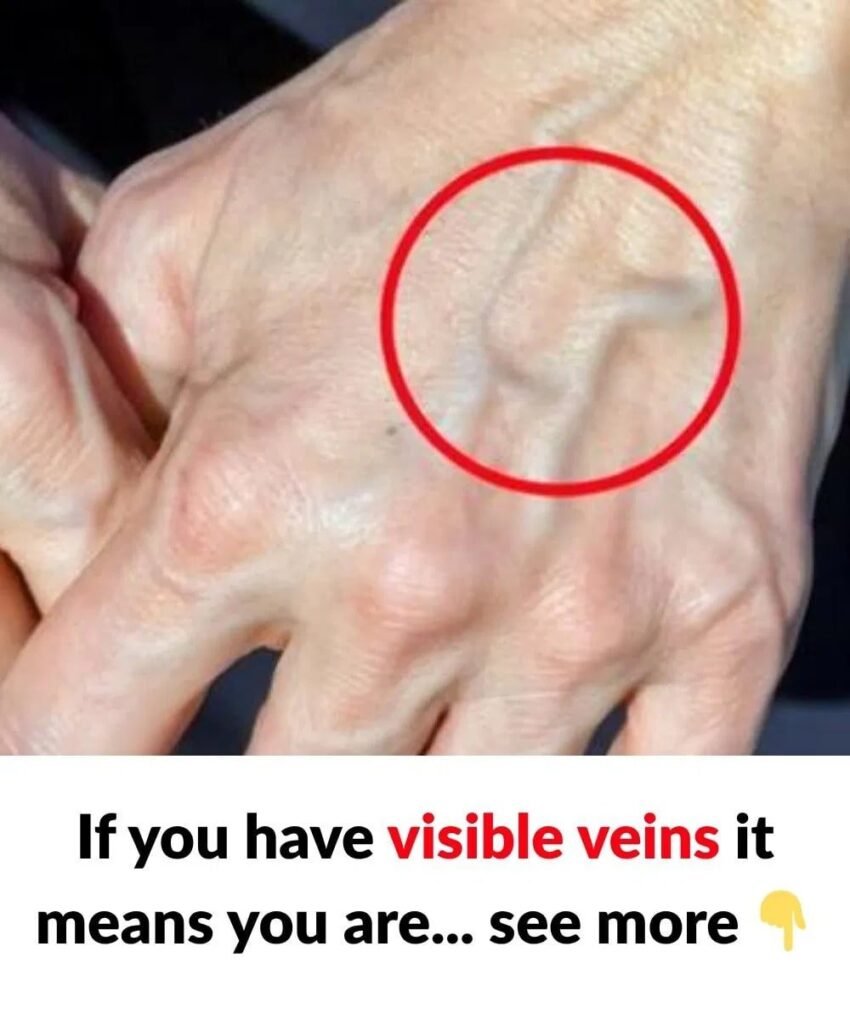
When to Worry About Veins That Appear Out of Nowhere: What Your Body Might Be Trying to Tell You
Sudden visible veins can be harmless or a warning. Learn when to monitor, when to act, and what health signals your veins may reveal.
You Look in the Mirror and Notice Something New
It’s a quiet Sunday morning. You’re getting dressed, and something catches your eye:
A vein that wasn’t there yesterday—or at least wasn’t this visible.
Your first thought might be:
“Did I just notice this, or is something wrong?”
It’s a common concern—and while many visible veins are harmless, sudden or unexplained veins can sometimes signal deeper health issues. Knowing when to worry, and what to do, is crucial.
Understanding Veins: The Basics
Veins are blood vessels that carry blood back to the heart. They are usually hidden under the skin, but sometimes they become more visible due to:
- Genetics
- Skin tone and thickness
- Age-related changes
- Lifestyle factors
Some veins are temporary and harmless, while others are persistent or symptomatic, requiring closer attention.
Why Veins Suddenly Appear
Several factors can cause veins to suddenly become noticeable:
1. Increased Blood Pressure in Veins
- Straining during exercise or heavy lifting
- Pregnancy (hormonal and physical changes)
- Standing or sitting for long periods
This can make veins bulge temporarily.
2. Weight Changes
- Weight loss can make veins more visible under thinner skin
- Rapid weight gain can put pressure on veins, causing them to enlarge
3. Hormonal Fluctuations
- Pregnancy, birth control, and hormone therapy can increase venous visibility
- Estrogen affects vein elasticity, sometimes leading to spider veins
4. Age-Related Vein Changes
- Vein walls weaken over time
- Valves that prevent backflow can deteriorate
- Small veins may bulge as circulation efficiency decreases
5. Vein Disease
Certain conditions can make veins suddenly appear or worsen:
- varicose veins – twisted, swollen veins often in legs
- deep vein thrombosis – a serious clot requiring immediate attention
- chronic venous insufficiency – poor blood flow leading to swelling, skin changes
Warning Signs You Should Not Ignore
Seek medical advice if you notice:
- Veins accompanied by pain, redness, or swelling
- Rapidly expanding veins
- Veins that feel warm or hard
- Skin color changes around veins
- Sudden appearance of multiple new veins without a clear reason
These could indicate underlying circulation problems or clots.
Simple Lifestyle Factors That Affect Vein Visibility
Even without disease, certain habits influence vein appearance:
- Prolonged standing or sitting – reduces blood return to the heart
- Low activity levels – weak leg muscles make vein valves less effective
- High-salt diet – promotes fluid retention and vein pressure
- Obesity – adds pressure to veins
- Tight clothing – restricts blood flow in the legs or waist
Small adjustments can make a significant difference.
At-Home Strategies to Support Healthy Veins
1. Move Frequently
- Walk or stretch every hour
- Elevate legs after long periods of sitting
2. Maintain Healthy Weight
- Reduces pressure on veins
- Improves circulation
3. Exercise Smart
- Low-impact activities like swimming, cycling, and walking strengthen veins
- Avoid extreme straining that can damage valves
4. Wear Compression Socks
- Helps prevent blood pooling
- Supports weakened veins
5. Healthy Diet
- High-fiber foods prevent constipation-related vein pressure
- Hydration supports circulation
- Limit excessive salt and processed foods
Medical Treatments When Needed
If veins are symptomatic or cosmetically concerning, options include:
- Sclerotherapy – injection to shrink veins
- Laser therapy – for spider veins
- Vein surgery – for severe varicose veins
- Medication – to improve circulation or reduce clot risk
Always consult a licensed healthcare professional before pursuing treatment.
Real-Life Scenario
Anna, 42, California
- Noticed small, blue veins on her legs
- Initially ignored them thinking it was aging
- Started mild exercise, leg elevation, and compression stockings
- Within months, veins stabilized and discomfort decreased
Her case shows that lifestyle adjustments can make a real difference—but early attention matters.
Pros and Cons of Ignoring Veins
| Pros | Cons |
|---|---|
| Minor veins may be purely cosmetic | Missed warning signs of circulation issues |
| Temporary visibility may resolve naturally | Pain, swelling, or skin changes may worsen |
| No medical intervention needed | Risk of clots or varicose vein complications |
Common Misconceptions
- “All visible veins are dangerous.” False. Many are cosmetic.
- “Only old people get vein problems.” False. Genetics, pregnancy, and lifestyle matter.
- “Exercise makes veins worse.” False. Proper movement improves vein health.
2026 Insight: Veins Are Signals, Not Just Aesthetics
Veins tell a story about your circulatory system, lifestyle, and overall health.
Pay attention to sudden changes—they are often your body’s early warning system.
FAQs
1. Can veins appear overnight?
Yes—especially after intense activity, dehydration, or hormonal changes.
2. Are spider veins serious?
Usually cosmetic, but sudden new patterns with pain warrant medical check.
3. How can I tell if it’s a blood clot?
Look for redness, swelling, warmth, or pain. Seek urgent care if present.
4. Do genetics play a role?
Absolutely. Family history of varicose veins or vein disease increases risk.
5. Can I prevent veins?
Regular movement, healthy weight, and leg elevation help reduce risk.
6. Are compression socks effective?
Yes, especially for long periods of standing, sitting, or travel.
7. Should I see a doctor for cosmetic veins?
Optional, but a professional can check for underlying issues.
8. Do veins always signal disease?
No. Many are benign. Context, symptoms, and history matter most.
Your Action Checklist
- Observe sudden or new veins
- Note accompanying symptoms
- Adjust lifestyle (movement, diet, compression)
- Consult a healthcare professional if warning signs appear
- Monitor changes over time
Veins that appear out of nowhere can range from harmless to serious.
Pay attention to your body’s signals, make smart lifestyle choices, and seek medical advice when needed. Early awareness can prevent discomfort and more serious complications down the line.
Your veins are more than cosmetic—they are messengers from your circulatory system.
Notice changes. Act wisely. Stay proactive about your health.
Have you experienced sudden vein appearance? Share your story below—it might help someone else recognize their own warning signs.