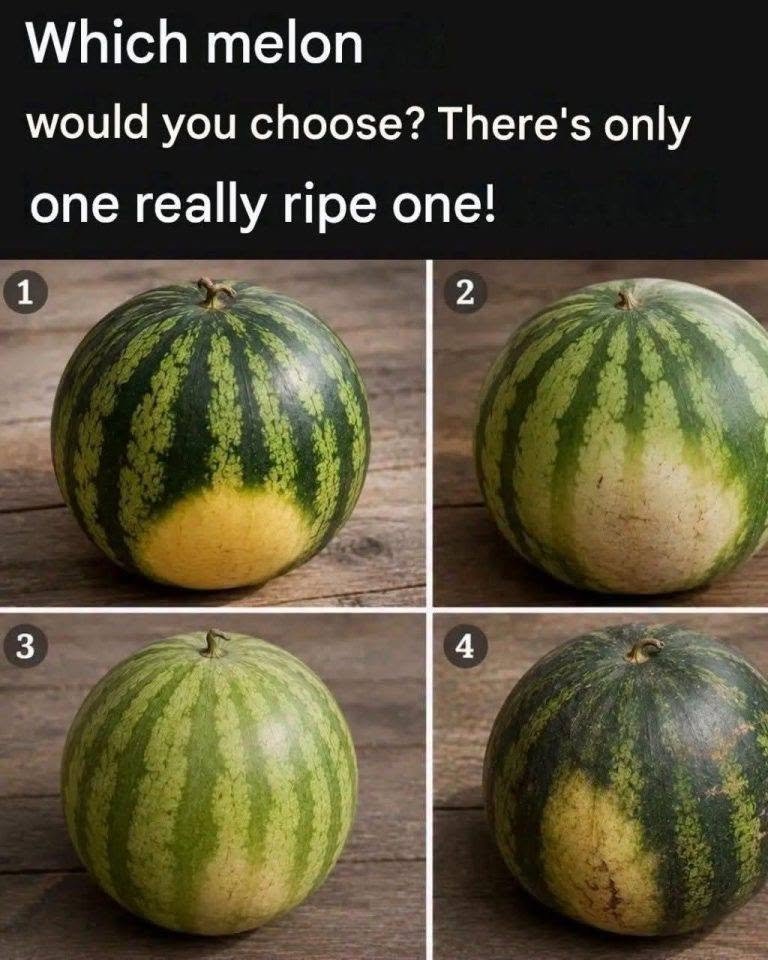
Finding the Single Ripe Melon in a Sea of Green: The Ultimate Grocery Store Strategy
Standing in the produce aisle staring at a mountain of identical-looking melons is a universal grocery store gamble. Pick wrong, and you end up slicing open a hard, flavorless, pale disappointment that tastes more like a cucumber than sweet summer fruit.
If you are hunting for that elusive, perfectly ripe melon hiding among a bin of unripe impostors, you have to stop guessing and start using your senses. Here is how to find the one diamond in the rough.
The Anatomy of Ripeness: What to Look For
Different melons hide their ripeness in different ways, but nature always leaves distinct clues.
-
For Cantaloupes and Netted Melons: Check the background color beneath the webbing. An unripe cantaloupe has a greenish gray tint under the net. A ripe melon features a warm, creamy, golden-yellow undertone. Next, look at the stem end (the “innie” scar where it left the vine): a smooth, slightly sunken, clean indentation means it naturally slipped off the vine when ready. If there is a jagged green stem stub attached, it was picked too early and will never sweeten up.
-
For Watermelons: Look for the “ground spot”—the patch where the melon rested on the dirt while growing. An unripe melon has a stark white spot. A ripe, sugar-filled melon features a deep, creamy yellow or buttery-orange ground spot. Additionally, a ripe watermelon’s skin should look dull and matte, not shiny.
-
For Honeydews: Press gently on the blossom end (the bottom opposite the stem). A ripe honeydew will yield slightly to pressure and often feel slightly waxy or velvety to the touch.
The Three-Step Grocery Store Test
When you suspect you’ve spotted a contender, run it through this quick three-point inspection before throwing it in your cart:
1. The Heavy Weight Test
Pick up two melons of the exact same size and compare their weight in your hands. A ripe melon is dense, heavy, and packed with sugary juice. If it feels surprisingly light, it’s underripe, dry, or woody inside.
2. The Sniff Test
Bring the stem end up to your nose and take a deep breath. Melons communicate their ripeness through aroma. If it smells sweet, fragrant, and unmistakably like a ripe melon, it’s ready. If it smells like nothing at all, put it back—it hasn’t developed its sugars.
3. The Thump Test (Watermelons Only)
Give the melon a gentle tap with your knuckles. An unripe melon will make a sharp, high-pitched ringing sound. A deeply ripe, juicy watermelon produces a deep, hollow, resonant thud.
Real-World Scenarios: The Grocery Gamble
Imagine preparing for a weekend backyard barbecue. You need a magnificent fruit platter, so you grab the first big cantaloupe you see in the front of the display. You get it home, slice it open, and find hard, pale orange flesh that tastes like cardboard.
Instead of guessing, you head back to the store using a smarter approach. You bypass the pretty, uniform green melons, dig into the middle of the stack, and find one that looks slightly weathered, features a deep yellow ground spot, feels heavy as a bowling ball, and smells sweet even through the rind. When you slice it open at home, it bursts with fragrant, sugary, bright orange perfection.
Step-by-Step Action Plan: Storing and Ripening at Home
What happens when you can only find melons that are almost ripe?
-
Counter Ripening: If your cantaloupe or honeydew is firm and lacks a strong aroma, leave it sitting out on the kitchen counter at room temperature for a day or two. Melons won’t get sweeter after being picked, but they will soften, become juicier, and grow more fragrant.
-
The Paper Bag Trick: To speed up the process slightly, place the melon in a brown paper bag with a ripe banana. The ethylene gas released by the banana helps accelerate softening.
-
Refrigerate Only When Ready: Once a melon is ripe to your liking, move it straight into the refrigerator to halt further softening and lock in its peak flavor.
Comparing Melon Readiness Indicators
| Test Method | Unripe Indicator | Ripe Indicator |
| Color Check | Greenish or stark white undertones | Creamy yellow, golden, or amber hues |
| The Stem Scar | Jagged stem stub attached | Smooth, sunken, clean “innie” indentation |
| Aroma | Fodder-like or totally scentless | Sweet, fragrant, perfume-like scent |
| Weight | Light and hollow-feeling | Surprisingly heavy for its size |
Pros and Cons of Selecting Ripe Fruit
-
Pros of Finding the Right Melon:
-
Unmatched juicy sweetness that elevates summer meals and fruit salads.
-
Maximum vitamin C, hydration, and antioxidant content.
-
-
Cons and Challenges:
-
Supermarket supply chains often pick melons green to survive shipping, making truly ripe options rare.
-
A perfectly ripe melon has a very short window before it over-ripens and turns mushy.
-
Common Mistakes to Avoid (And How to Fix Them)
-
Mistake 1: Judging a Melon Solely by Its Looks
-
The Danger: Passing over an oddly shaped or slightly scarred melon in favor of a visually “perfect” green one.
-
The Fix: Remember that some of the sweetest heirloom and field-ripened melons look a bit rough around the edges. Always rely on weight, smell, and stem scars over cosmetic perfection.
-
-
Mistake 2: Cutting an Unripe Melon Too Soon
-
The Danger: Ruining a firm fruit that needed another 48 hours on the counter.
-
The Fix: If it has no aroma and feels hard, give it a couple of days at room temperature before cutting.
-
-
Mistake 3: Leaving Cut Melon at Room Temperature
-
The Danger: Bacterial growth on exposed, sugary fruit flesh.
-
The Fix: Once sliced, wrap the exposed flesh tightly with plastic wrap or store it in an airtight container in the fridge, and consume within 3 to 4 days.
-
Expert-Level Insights: The 2026 Produce Standard
Modern culinary purveyors and local farm stands emphasize that true vine-ripened melons are an entirely different species from mass-harvested supermarket varieties. Because commercial fruit is shipped long distances, it is routinely harvested before its sugar conversion peaks. Whenever possible, sourcing melons from regional summer farmers’ markets ensures the fruit was allowed to naturally “slip” off the vine at the absolute height of sweetness.
Frequently Asked Questions
Do melons continue to get sweeter after you buy them?
No. Unlike bananas or peaches, melons do not synthesize more sugar once they are severed from the vine. They will soften and become juicier on your counter, but their sugar content is locked in the moment they are harvested.
Can you ripen a melon in the refrigerator?
No. The cold temperatures of a refrigerator halt the ripening process entirely and can actually ruin the texture and flavor of an un-ripened melon. Always ripen melons on the counter first.
Why do some watermelons have a yellow spot while others are white?
The color of the ground spot indicates how long the melon sat ripening in the sun. A creamy yellow or orange spot means it sat on the vine longer, soaking up more sun and developing a sweeter flavor profile. A white spot means it was harvested earlier.
What is the best way to store a cut melon?
Store sliced melon in an airtight container in the coldest part of your refrigerator. To keep it crisp, avoid cutting away the rind until right before you plan to eat individual portions, or place a paper towel in the container to absorb excess moisture.
Are seedless watermelons less sweet than seeded ones?
Not necessarily. Modern breeding has made seedless watermelons just as sweet—if not sweeter—than traditional seeded varieties, while offering a much more convenient eating experience.
What should I do if I accidentally cut into a completely unripe melon?
Don’t throw it out! An un-ripened, crunchy melon can be diced up and pickled in a sweet vinegar brine, tossed into savory summer slaws, or blended into a vibrant gazpacho with cucumbers, lime juice, and mint.
Action Checklist
-
Do: Check for a heavy, dense feel before buying any melon.
-
Do: Sniff the stem end for a sweet, fragrant aroma.
-
Do: Look for a warm, creamy yellow ground spot on watermelons.
-
Avoid: Buying melons that still have a rigid green stem attached.
-
Avoid: Selecting light, hollow-sounding fruit.
-
Avoid: Storing whole, unripe melons in the refrigerator.
Hunting for that single ripe melon in a grocery store bin takes a little bit of science and a lot of sensory awareness. Skip the visual perfection traps, check the weight, sniff for sweetness, and inspect the ground spot. Your taste buds—and your fruit salad—will thank you.
Did you find this grocery guide helpful? Drop your favorite melon-choosing secret in the comments below, share this article with a friend, and explore our site for more culinary tips!