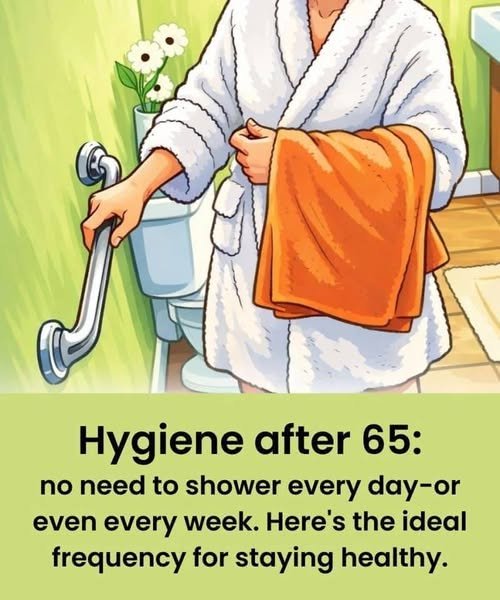
Why Daily Showers After 65 May Do More Harm Than Good: What Older Adults Should Know About Skin Health
Discover why daily showers after age 65 may affect skin health, how aging changes your skin, and safer bathing habits recommended by experts.
A daily shower feels like one of the simplest habits in life.
For decades, many people have followed the same routine:
Wake up. Shower. Get ready. Start the day.
But after age 65, your skin may no longer respond to that routine the same way it did when you were younger.
The hot water that once felt refreshing.
The soap that once left you feeling clean.
The long shower you enjoyed every morning.
These habits may gradually contribute to dryness, irritation, itching, and other skin problems as the body changes with age.
This does not mean older adults should stop bathing or ignore hygiene.
It means the approach that worked at 30 may not always be the best approach at 70.
Understanding how aging affects the skin can help seniors maintain cleanliness while protecting one of the body’s most important defenses.
How Skin Changes After 65
Your skin is not the same throughout your entire life.
As people age, several natural changes occur:
- The skin produces less oil
- The outer skin layer becomes thinner
- The ability to retain moisture decreases
- Healing may take longer
- The skin barrier becomes more fragile
The skin barrier acts like a protective shield.
It helps keep moisture inside while blocking irritants, bacteria, and environmental damage.
When that barrier becomes weaker, everyday habits can sometimes cause problems.
A shower itself is not harmful.
The issue is how often you shower, how long you stay in the water, the temperature you use, and the products you apply afterward.
Why Daily Showers May Become a Problem for Some Seniors
For many older adults, showering every day is perfectly fine.
However, some people may experience problems with daily bathing, especially when combined with hot water and harsh cleansers.
Here are some reasons why.
1. Frequent Showering Can Remove Natural Oils
Your skin naturally produces oils that help keep it soft and protected.
Every time you wash, especially with strong soaps, some of these oils are removed.
For younger skin, the body often replaces these oils quickly.
Older skin may not recover as easily.
The result can be:
- Dryness
- Flaking
- Tight-feeling skin
- Increased sensitivity
- Itching
Many seniors who complain of “mysterious itching” may actually be dealing with dry, irritated skin.
2. Hot Water Can Damage the Skin Barrier
A long, hot shower may feel relaxing.
However, hot water can strip moisture from the skin more quickly than warm water.
Signs that water temperature may be too hot include:
- Skin feeling tight afterward
- Redness
- Increased dryness
- More frequent itching
A warm shower is usually gentler than a very hot one.
3. Harsh Soaps May Increase Irritation
Not all soaps are the same.
Some traditional soaps contain ingredients that can be drying, especially for aging skin.
Older adults may benefit from gentler cleansing products designed to protect moisture.
Using soap on every part of the body every day is not always necessary.
Areas that naturally collect sweat and bacteria usually need more attention than areas that do not.
4. Daily Showering May Worsen Existing Skin Conditions
Many older adults deal with skin concerns such as:
- Eczema
- Dry skin
- Sensitive skin
- Dermatitis
Frequent washing can sometimes make these conditions harder to manage.
A person may notice:
- More redness
- More itching
- Burning sensations
- Cracking skin
If bathing seems to worsen a skin problem, it may be worth adjusting the routine and discussing options with a healthcare professional.
5. Long Showers Can Increase Fall Risk
Skin health is not the only consideration.
Bathrooms can become dangerous environments, especially for older adults.
Risks include:
- Slippery floors
- Difficulty standing for long periods
- Dizziness from hot water
- Reduced balance
A safe bathing routine should consider comfort and fall prevention.
Helpful measures include:
- Installing grab bars
- Using non-slip mats
- Keeping water temperature moderate
- Using a shower seat if needed
How Often Should Older Adults Shower?
There is no single rule that applies to everyone.
The best bathing schedule depends on:
- Skin type
- Activity level
- Climate
- Medical conditions
- Personal preference
- Mobility
Some older adults may feel comfortable showering every day.
Others may find that showering several times a week protects their skin better.
The goal is not a specific number.
The goal is maintaining hygiene while protecting skin health.
A Skin-Friendly Shower Routine After 65
Small changes can make a big difference.
1. Use Warm Water Instead of Hot Water
A comfortable warm temperature is usually less drying.
Avoid very hot showers that leave your skin red or tight.
2. Keep Showers Short
Long showers expose the skin to more water and heat.
A shorter shower can clean effectively while reducing moisture loss.
3. Choose Gentle Cleansers
Look for products that are:
- Mild
- Fragrance-free if your skin is sensitive
- Designed for dry or sensitive skin
Strong fragrances and harsh ingredients may irritate some people.
4. Moisturize After Bathing
One of the most helpful habits is applying moisturizer after showering.
The best time is often when the skin is slightly damp.
Moisturizers help lock in hydration and support the skin barrier.
5. Do Not Scrub Too Hard
Rough towels, aggressive scrubbing, and exfoliating too frequently can irritate aging skin.
Gentle cleaning is usually enough.
The Difference Between Hygiene and Over-Cleansing
Many people grew up believing that feeling “squeaky clean” means being healthier.
But that sensation can sometimes mean the skin’s protective oils have been removed.
Healthy skin is not supposed to feel dry and tight after washing.
A good hygiene routine removes dirt and sweat while allowing the skin to maintain its natural protection.
Clean does not have to mean stripped.
Common Shower Mistakes Older Adults Make
Mistake 1: Using Very Hot Water
Hot water feels comforting but can worsen dryness.
Better approach: Use warm water and reduce shower time.
Mistake 2: Applying Soap Everywhere Every Day
Some areas need regular cleansing more than others.
Better approach: Focus cleanser where it is most needed and avoid unnecessary drying.
Mistake 3: Skipping Moisturizer
Many people remember soap but forget the step that protects the skin afterward.
Better approach: Apply moisturizer regularly, especially after bathing.
Mistake 4: Ignoring Persistent Itching
Some people assume itching is simply part of aging.
While dry skin is common, ongoing itching can sometimes signal other issues.
Better approach: Mention persistent skin changes to a healthcare professional.
When Bathing Changes Should Be Discussed With a Doctor
Seek medical advice if you notice:
- Severe or persistent itching
- Cracked or bleeding skin
- New rashes
- Signs of infection
- Sudden skin changes
- Skin problems that do not improve
A healthcare professional can help identify whether the cause is dryness, medication effects, allergies, or another condition.
Daily Showering: Pros and Cons for Seniors
| Daily Showering Benefits | Possible Downsides |
|---|---|
| Helps maintain personal hygiene | Can dry out sensitive skin |
| May improve comfort and freshness | May remove protective oils |
| Can support routine and independence | May increase fall risk in some situations |
| Helps after sweating or activity | May worsen certain skin conditions |
The right choice depends on the individual.
What Experts Generally Recommend for Aging Skin
Skin specialists often emphasize protecting the skin barrier.
Helpful habits include:
- Avoiding excessive hot water
- Using gentle products
- Moisturizing regularly
- Protecting skin from irritation
- Paying attention to changes
Healthy aging is not about following one strict rule.
It is about adapting habits as your body changes.
A Real-Life Example
Margaret, a 72-year-old retired teacher, had always showered every morning.
Over time, she developed constant itching on her arms and legs.
She changed soaps, bought different creams, and assumed it was simply “getting older.”
After discussing it with her doctor, she adjusted her routine:
- Shorter showers
- Less hot water
- Gentler cleanser
- Daily moisturizer
Within weeks, her skin felt much more comfortable.
The solution was not stopping hygiene.
It was changing the approach.
Frequently Asked Questions
Should people over 65 stop showering every day?
No. Some older adults can shower daily without problems. The key is adjusting habits if dryness, irritation, or discomfort appears.
How often should seniors bathe?
There is no universal schedule. Many factors influence the best routine, including skin condition, activity level, and personal needs.
Why does skin get itchy after age 65?
Aging skin often produces less oil and holds less moisture, which can lead to dryness and itching.
Is hot water bad for older skin?
Very hot water can remove natural oils and worsen dryness. Warm water is usually gentler.
What type of soap is best for aging skin?
Gentle, moisturizing cleansers are often better tolerated than harsh soaps, especially for dry or sensitive skin.
Can showering too much cause dry skin?
Yes. Frequent washing, especially with hot water and strong cleansers, can contribute to dryness.
Is bathing less often unhealthy for seniors?
Not necessarily. Hygiene can be maintained with a routine that protects skin and fits a person’s needs.
When should an older adult see a doctor about itching?
Persistent, severe, unexplained, or worsening itching should be discussed with a healthcare professional.
Senior Skin Care Checklist
Do:
☐ Use warm water
☐ Keep showers reasonably short
☐ Use gentle cleansing products
☐ Moisturize after bathing
☐ Protect bathroom safety
☐ Monitor unusual skin changes
Avoid:
☐ Very hot showers
☐ Harsh scrubbing
☐ Strong drying soaps
☐ Ignoring persistent irritation
Final Thoughts
Aging changes the way the body responds to everyday habits.
The shower routine that worked for decades may need a few adjustments later in life.
The goal is not to avoid bathing.
The goal is to protect your skin while maintaining comfort, cleanliness, and independence.
A healthy routine is one that leaves you feeling refreshed — not dry, irritated, or uncomfortable.
After 65, the best shower routine is not necessarily the most frequent one. It is the one that keeps you clean while protecting your skin’s natural barrier.