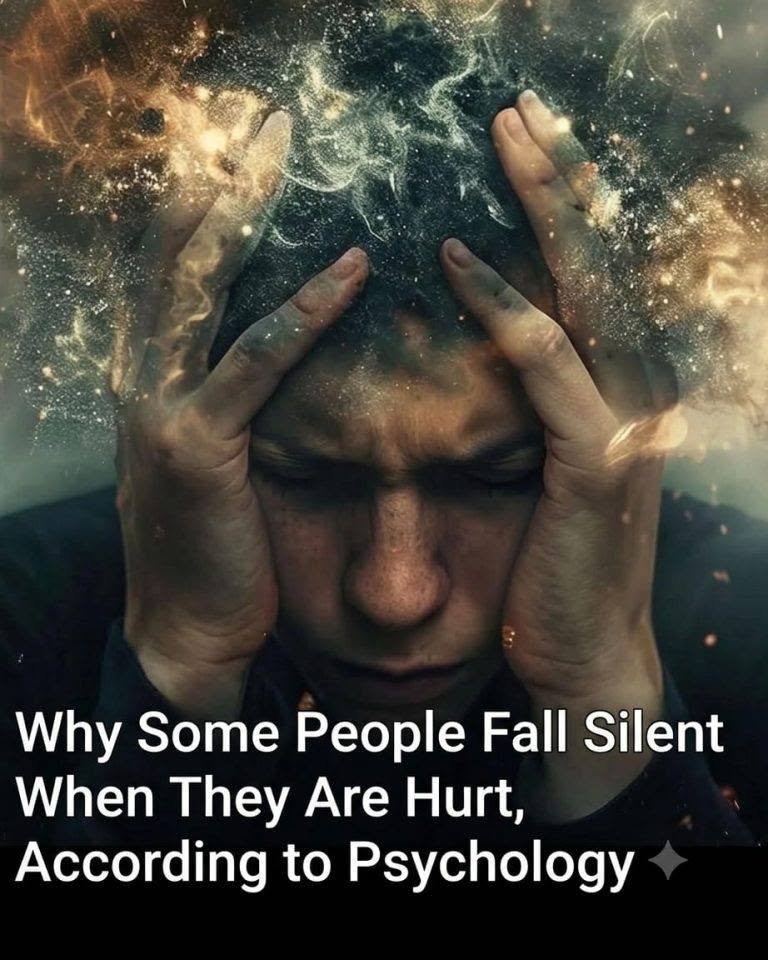
Why Do Some People Remain Silent When They Are Hurt? 12 Deep Psychological Reasons Most People Never Talk About
Discover why some people stay silent when they’re hurt. Explore the psychology behind emotional silence, its effects on relationships, and healthy ways to communicate pain.
Not everyone cries when they’re in pain.
Not everyone argues when they’re disappointed.
And not everyone tells you when you’ve broken their heart.
Some people become quiet.
Their messages get shorter. They smile less. They stop sharing what’s on their mind. From the outside, it may look like they’ve moved on—but inside, they’re carrying emotions they don’t know how to express.
This silence is often misunderstood. People assume it means someone doesn’t care, has forgiven them, or is simply being distant. In reality, silence can be one of the loudest expressions of emotional pain.
So why do some people remain silent when they’re hurt?
The answer lies in personality, past experiences, emotional intelligence, and the ways people learn to protect themselves from further pain.
Let’s explore the deeper reasons behind emotional silence and what it truly means.
1. They Fear Being Hurt Again
For many people, opening up has led to disappointment in the past.
Perhaps their feelings were dismissed.
Maybe they were laughed at, criticized, or ignored.
Over time, they learned that staying quiet feels safer than risking another emotional wound.
Instead of expressing pain, they protect themselves with silence.
2. They Don’t Want to Be a Burden
Some people grow up believing they shouldn’t inconvenience others with their emotions.
Even when they’re deeply hurt, they tell themselves:
“I’ll deal with it alone.”
They worry that expressing sadness or disappointment will make them seem needy or difficult.
So they carry the weight by themselves.
3. They Need Time to Process Their Emotions
Not everyone understands their feelings immediately.
Some individuals need time to sort through anger, sadness, confusion, or betrayal before they can explain what they’re experiencing.
Their silence isn’t avoidance.
It’s reflection.
4. They Fear Conflict
Confrontation can feel overwhelming.
People who dislike conflict often stay silent because they’re afraid an honest conversation will turn into an argument.
To keep the peace, they sacrifice their own voice.
Unfortunately, unspoken pain rarely disappears—it often grows.
5. They Believe Actions Speak Louder Than Words
Some people feel that explaining their hurt won’t change anything.
Instead, they quietly withdraw.
Their reduced effort, emotional distance, or absence becomes their way of communicating.
It’s not always healthy, but it’s how they’ve learned to cope.
6. They’ve Been Taught to Hide Their Emotions
Many people grow up hearing phrases like:
- “Stop crying.”
- “Be strong.”
- “Don’t be so sensitive.”
- “Keep your feelings to yourself.”
These messages can shape adulthood.
Instead of expressing pain, they suppress it.
Over time, silence becomes automatic.
7. They Don’t Want to Say Something They’ll Regret
When emotions run high, words can cause lasting damage.
Some people intentionally remain silent until they calm down.
Their quietness isn’t indifference.
It’s self-control.
They’re choosing reflection over reaction.
8. They Feel Their Feelings Won’t Be Understood
Few things hurt more than feeling misunderstood.
If someone believes their emotions will be minimized or dismissed, they may decide that speaking up isn’t worth the effort.
Silence becomes a shield against rejection.
9. They’re Emotionally Exhausted
After repeated disappointments, people sometimes stop explaining themselves.
Not because they don’t care.
Because they’re tired.
Tired of repeating the same conversations.
Tired of hoping for change.
Tired of feeling unheard.
Their silence reflects emotional fatigue rather than emotional emptiness.
10. They Value Peace More Than Being Right
Some people prioritize harmony over winning arguments.
Even when they’re hurt, they choose not to escalate conflict.
While this can preserve relationships in some situations, consistently suppressing emotions may eventually lead to resentment.
11. They Express Pain Differently
Everyone processes emotions differently.
Some cry.
Some write.
Some pray.
Some exercise.
Some seek friends.
Others become quiet.
Silence isn’t the absence of emotion—it can simply be a different language of pain.
12. They’re Protecting Their Heart
Perhaps the deepest reason of all.
When someone has experienced betrayal, rejection, abandonment, or repeated disappointment, silence becomes emotional armor.
It feels safer not to reveal vulnerabilities than to risk being hurt again.
While this protection can offer temporary comfort, lasting healing often requires trust and healthy communication.
What Silence Can Mean in Relationships
When someone becomes unusually quiet, it doesn’t always mean they’ve stopped caring.
Sometimes it means they care so deeply that they don’t know how to express what they’re feeling.
Silence may communicate:
- Hurt
- Disappointment
- Confusion
- Fear
- Emotional exhaustion
- A need for space
- A desire to avoid conflict
The key is not to assume—but to communicate with empathy.
How to Support Someone Who Becomes Silent
If someone you care about withdraws after being hurt:
- Give them time if they need space.
- Let them know you’re willing to listen without judgment.
- Avoid pressuring them to talk immediately.
- Ask open-ended, compassionate questions.
- Listen more than you speak.
- Respect their pace.
- Focus on understanding rather than defending yourself.
Sometimes the safest gift you can offer is a patient, accepting presence.
When Silence Becomes Unhealthy
While taking time to process emotions is normal, prolonged silence can create distance and misunderstanding.
If someone never expresses their feelings, they may experience:
- Increased stress
- Loneliness
- Anxiety
- Resentment
- Relationship difficulties
Learning healthy communication doesn’t mean sharing every emotion instantly—it means finding safe, respectful ways to express important feelings over time.
Common Myths About Silent People
Myth: Silent people don’t care.
Reality: They may care deeply but struggle to express it.
Myth: Silence means forgiveness.
Reality: Sometimes it simply means the pain hasn’t been processed yet.
Myth: Quiet people are emotionally weak.
Reality: Many silent individuals have tremendous emotional resilience. They simply cope differently.
Myth: If they don’t complain, they’re fine.
Reality: Some of the deepest emotional pain is invisible.
Frequently Asked Questions
Is staying silent after being hurt normal?
Yes. Many people need time to process emotions before discussing them.
Why do emotionally strong people stay quiet?
Strength doesn’t always look loud. Some emotionally resilient people choose thoughtful silence over impulsive reactions.
Can silence damage relationships?
Yes, if important feelings are never communicated. Healthy relationships thrive on honest and respectful conversations.
Should I force someone to talk?
No. Encourage conversation, but respect their need for time and emotional safety.
Is silence a form of emotional protection?
Often, yes. It can be a way to guard against further disappointment or rejection.
Action Checklist
Do
✔ Listen with empathy.
✔ Respect someone’s need for space.
✔ Encourage honest conversations.
✔ Be patient.
✔ Create a safe environment for communication.
Don’t
✘ Assume silence means everything is okay.
✘ Pressure someone to open up immediately.
✘ Dismiss quiet behavior as “overreacting.”
✘ Respond defensively when they finally share their feelings.
Conclusion
Silence is rarely empty.
Behind quiet moments often lie stories of disappointment, fear, reflection, or hope. Some people remain silent because they’re protecting themselves. Others are searching for the right words. And some simply haven’t learned that their feelings deserve to be heard.
Understanding emotional silence doesn’t require reading minds—it requires compassion, patience, and a willingness to listen without judgment.
Sometimes the kindest thing you can do isn’t filling the silence with words.
It’s creating a space where someone feels safe enough to break it.
When someone becomes silent after being hurt, don’t assume they have nothing to say. Their silence may be carrying the words they find hardest to speak.