The Ultimate Southern Coconut Cake: A Decadent Heirloom Recipe for Every Celebration
Baking a truly exceptional coconut cake requires looking past dry, box-mix shortcuts and embracing a time-honored baking tradition that yields a cloud-like, intensely flavorful masterpiece.
Why the Southern Coconut Cake Holds a Legendary Status
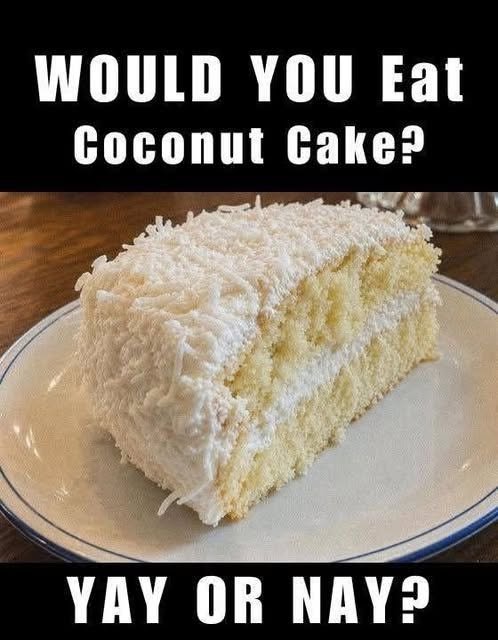
Stepping into a traditional Southern kitchen during the holidays or a major family reunion almost always guarantees the appearance of a towering, snow-white coconut cake. Unlike generic vanilla cakes merely dusted with shredded flakes, an authentic scratch-made coconut cake infuses the flavor into every single molecular layer. The secret lies in a multi-step process: a rich, tender butter cake soaked with a sweet coconut milk syrup, layered with a luscious pastry cream or cream cheese frosting, and heavily blanketed in freshly grated or sweetened coconut flakes.
Baking this classic dessert is a labor of love that transforms basic pantry staples into a show-stopping centerpiece. Whether you are hosting an Easter brunch, a summer garden party, or simply craving an old-fashioned baking project, mastering this recipe will instantly elevate your culinary repertoire.
Ingredients and Preparation Breakdown
Achieving the ultimate texture requires precision. Professional bakers know that room-temperature ingredients are non-negotiable for proper emulsion.
For the Cake Layers:
-
3 cups all-purpose flour (spooned and leveled)
-
1 tbsp baking powder
-
1/2 tsp salt
-
1 cup (2 sticks) unsalted butter, softened to room temperature
-
2 cups granulated sugar
-
4 large eggs, separated, with whites whipped to soft peaks
-
1 tsp pure vanilla extract
-
1 tsp pure coconut extract
-
1 cup full-fat canned coconut milk (shaken well)
For the Coconut Soaking Syrup:
-
1/2 cup canned coconut milk
-
1/4 cup granulated sugar
For the Cream Cheese Frosting & Coating:
-
16 oz (2 blocks) cream cheese, softened
-
1 cup (2 sticks) unsalted butter, softened
-
5 to 6 cups powdered sugar, sifted
-
2 tsp pure vanilla extract
-
1 tsp coconut extract
-
3 to 4 cups sweetened or freshly grated unsweetened coconut flakes (for coating)
Step-by-Step Baking Instructions
1. Prep the Pans and Oven: Preheat your oven to 350°F (175°C). Grease three 9-inch round cake pans generously with butter, line the bottoms with parchment paper rounds, and dust the sides lightly with flour to prevent sticking.
2. Whisk the Dry Ingredients: In a large mixing bowl, whisk together the all-purpose flour, baking powder, and salt. Setting the dry elements up properly ensures even leavening throughout the dense batter.
3. Cream the Butter and Sugar: Using a stand mixer fitted with the paddle attachment, beat the softened butter and granulated sugar on medium-high speed for 4 to 5 minutes until the mixture turns pale, light, and exceptionally fluffy. This aeration process is what keeps the cake from becoming dense.
4. Incorporate Eggs and Extracts: Add the egg yolks one at a time, beating well after each addition. Scrape down the sides of the bowl as needed. Stir in the vanilla and coconut extracts.
5. Alternate Wet and Dry Ingredients: With the mixer on low speed, alternate adding the dry flour mixture in three parts and the canned coconut milk in two parts, beginning and ending with the flour. Mix only until combined—overmixing activates gluten and ruins the tender crumb.
6. Fold in Whipped Egg Whites: In a separate clean bowl, whip the reserved egg whites using an electric hand mixer until soft peaks form. Gently fold the whipped whites into the batter using a rubber spatula. This technique introduces air pockets that yield a feather-light texture.
7. Bake and Cool: Divide the batter evenly among the three prepared pans. Bake for 22 to 26 minutes, or until a wooden toothpick inserted into the center comes out clean. Cool the layers in the pans for 10 minutes, then invert them onto wire racks to cool completely.
8. Apply the Coconut Soak: While the cakes cool, heat the 1/2 cup of coconut milk and 1/4 cup of sugar in a small saucepan over low heat until the sugar completely dissolves. Once the cake layers are completely cool, pierce the tops gently with a toothpick and brush or drizzle the warm syrup evenly over each layer, allowing it to soak deep into the crumb.
9. Whip the Frosting: Beat the softened cream cheese and butter together until smooth and creamy. Gradually add the sifted powdered sugar, vanilla extract, and coconut extract, beating on medium-high speed until light, smooth, and spreadable.
10. Assemble and Coat: Place the first cake layer on a serving platter. Spread a generous layer of frosting on top. Add the second layer, frost, and top with the final layer. Frost the entire outside and top of the cake, then immediately press the coconut flakes firmly into the frosting until the entire cake is covered in a snow-like blanket.
Pro Tips for Expert Results
-
The Coconut Choice: While sweetened packaged flakes work wonderfully for convenience, using frozen grated coconut (found in international grocery aisles) provides an authentic, moist texture that elevates the flavor profile.
-
Resting Time: Coconut cake actually tastes better on day two. Allowing the cake to rest overnight in the refrigerator gives the soaking syrup time to fully infuse the layers, making every bite melt in your mouth. Bring it to room temperature before serving.
Frequently Asked Questions
Can I make this cake ahead of time? Yes, this cake freezes exceptionally well. You can bake the layers, wrap them tightly in plastic wrap, and freeze them for up to one month before thawing, soaking, and frosting.
What is the difference between coconut milk and cream of coconut? Canned coconut milk is unsweetened and rich, whereas cream of coconut (often used in tropical cocktails) is heavily sweetened and thick. Stick to canned coconut milk for this recipe to control the sweetness level of the cake and syrup.
How should I store leftover coconut cake? Store the frosted cake in an airtight cake container in the refrigerator for up to 5 days. Ensure it sits at room temperature for about 30 minutes before serving to soften the butter and cream cheese frosting.