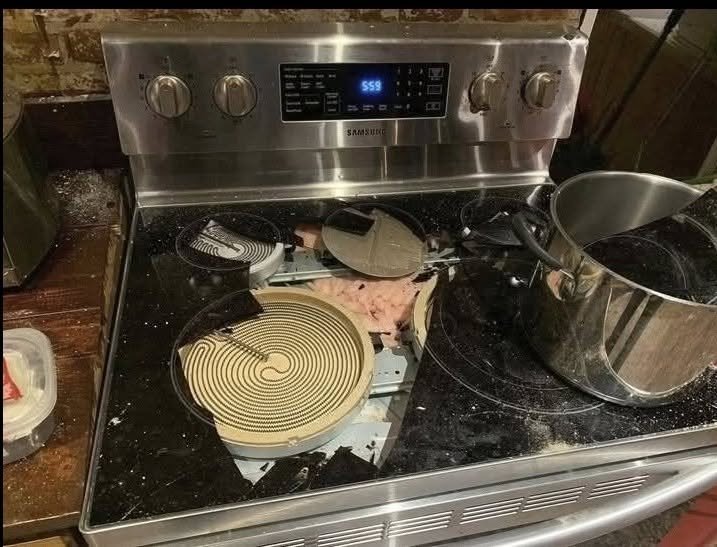
The Hidden Danger on Your Counter: Why Your Glass Top Stove Can Suddenly Shatter (And How to Prevent It)
Staring at a sleek, modern glass-top stove can make any kitchen feel instantly high-end. But behind that smooth, glossy surface lies a vulnerability most homeowners completely overlook until it is too late.
Imagine walking into your kitchen on a quiet morning, setting a heavy cast-iron skillet down just a little too firmly—or watching in sheer horror as a glass lid slips from your hand—and hearing a loud, terrifying pop. Within seconds, your pristine stovetop is a web of fractured, unusable glass.
It is enough to make you dread every single meal you prep.
Here is the truth nobody in the appliance showroom tells you: glass-top stoves are engineered with tempered or ceramic glass designed to withstand high heat, but they have a distinct breaking point. When thermal shock combines with mechanical impact, the structural matrix fails catastrophically.
By the time you finish reading this comprehensive guide, you will understand the exact physics behind glass-top shattering, the daily habits that weaken your stove, and how to cook safely without risking a costly replacement.
The Physics of Glass Failure: Thermal Shock vs. Impact
To understand why a glass stove shatters, you have to look at how the material is built and stressed.
Most smooth cooktops are made of advanced glass-ceramic materials that handle high vertical heat remarkably well. However, they possess two major vulnerabilities: point-impact stress and thermal shock.
-
Point-Impact Stress: Glass-ceramic is rigid, but it is brittle. Dropping a heavy cast-iron pan, a heavy spice jar, or a glass lid onto the edge of the burner creates a concentrated point of impact that can compromise the structural integrity of the entire panel.
-
Thermal Shock: This occurs when there is a sudden, extreme temperature differential across the glass surface—such as placing an ice-cold, heavy pot straight from the refrigerator onto a burner that is already blistering hot, or spilling freezing water onto a glowing heating element. The uneven expansion and contraction tear the molecular bonds apart.
Why It Matters: The Modern American Kitchen Dilemma
In contemporary American homes, open-concept kitchens mean the stove is often the central visual anchor of the house. Replacing a shattered glass cooktop isn’t just an inconvenience; it is a massive financial hit.
The Consequences of Ignoring Stove Safety
When people treat their glass stove like an indestructible industrial countertop, the consequences add up quickly:
-
Expensive Replacements: A new glass cooktop assembly can easily cost several hundred to over a thousand dollars in parts and labor, often rivaling the cost of an entirely new stove.
-
Safety Hazards: Shards of shattered glass can contaminate food, cause severe cuts, and create electrical short circuits if liquids seep into the active heating elements below.
-
Kitchen Downtime: Waiting for appliance repair technicians and replacement parts can leave you unable to cook for weeks.
Deep-Dive Main Content Sections: The Biggest Mistakes
Preventing a catastrophic shatter starts with eliminating the hidden habits that stress your cooktop.
1. The Heavy Cookware Trap
Cast-iron skillets, heavy Dutch ovens, and oversized stockpots are staples in many kitchens. However, dragging a heavy, rough-bottomed cast-iron skillet across a glass surface creates microscopic scratches that weaken the glass over time. When combined with a sharp drop or a heavy thud, those micro-fissures become fault lines.
-
The Fix: Always lift your heavy pots and pans rather than sliding them across the glass. Consider using smooth-bottomed enameled cast iron or heavy stainless steel.
2. The Temperature Differential Danger
Whipping up dinner in a rush often leads to careless handling of cookware temperatures. Taking a pot straight out of the refrigerator and locking it onto a high-heat burner forces the glass-ceramic material to expand unevenly at the point of contact.
-
The Fix: Let refrigerated foods and cookware sit at room temperature for 10 to 15 minutes before placing them onto a preheating burner.
3. Ignoring Baked-On Sugar and Spills
It sounds strange, but sugar is one of a glass stove’s worst enemies. If you spill a sugary liquid (like jam, syrup, or a sugary sauce) onto a hot burner, it melts into the glass surface. As the glass heats and cools, the sugar bonds with the ceramic material. When you try to scrape it off later, it can actually pull chunks of glass right out of the surface, creating structural weak points.
-
The Fix: Clean sugary spills immediately while the stove is still warm (using a safe scraper and specialized cleaner) before they chemically bond to the glass.
Step-by-Step Actionable Guide: The Safe Cooking Protocol
Follow this structured framework to protect your glass cooktop from premature failure.
Step 1: Match Your Pan Size to the Burner
Using a massive 12-inch skillet on a small 6-inch burner traps excessive radiant heat underneath the edges of the pan, radiating intense heat backward into the surrounding glass panel rather than letting it dissipate safely. Always match your cookware base diameter to the active heating zone.
Step 2: Keep the Bottoms Spotless
Never cook with a pan that has grease, food residue, or oil baked onto its bottom. When you place that dirty pan onto a hot burner, the trapped residue burns instantly, creating hot spots that subject the glass to localized thermal shock.
Step 3: Implement Proper Cleaning Habits
Never use abrasive scouring pads, steel wool, or harsh chemical oven cleaners on a glass top. They create microscopic scratches that compromise the glass over time. Use a dedicated cooktop cleaner and a non-scratch nylon pad.
Real-World Scenarios
To see how this plays out, let’s examine two common kitchen profiles.
Scenario A: The Enthusiastic Home Baker in Texas
-
The Profile: Loves making homemade caramel and candy, often multitasking with multiple heavy pots on a glass cooktop.
-
The Challenge: Spilling hot sugar syrup onto a hot burner and ignoring it until the next day.
-
The Transformation: When trying to chip the hardened sugar off with a metal knife, a chunk of the glass surface pulls away, creating a stress fracture that shatters the entire panel the next time the burner is turned on high.
Scenario B: The Careful Cook in Oregon
-
The Profile: Cooks daily using heavy cast iron, but follows strict handling protocols.
-
The Challenge: Wants the benefits of heavy cookware without risking appliance damage.
-
The Transformation: Always lifts (never slides) pots, lets chilled ingredients rest before cooking, and cleans the surface with a non-scratch pad after every single meal. Their cooktop remains flawless year after year.
Comparison Table: Glass-Top Habits (Safe vs. Dangerous)
| Habit / Practice | Dangerous Approach (Risk of Shattering) | Safe Approach (Cooktop Preservation) |
| Moving Cookware | Sliding heavy cast-iron skillets across the surface. | Lifting pots and pans completely off the glass when moving them. |
| Temperature Shifts | Placing cold pans straight from the fridge onto hot burners. | Allowing refrigerated cookware to adjust to room temperature first. |
| Spill Management | Letting sugary spills bake onto active burners indefinitely. | Cleaning sticky and sugary messes immediately with safe tools. |
| Cookware Maintenance | Using pans with warped, rough, or dirty grease-baked bottoms. | Ensuring pan bottoms are completely flat, clean, and dry before cooking. |
Pros & Honest Cons of Glass-Top Stoves
The Pros
-
Sleek Aesthetics: Creates a modern, seamless, minimalist look that elevates any kitchen design.
-
Easy Cleanup: Smooth surface allows for quick wiping of standard food splatters compared to traditional coiled gas burners.
-
Efficient Heat Transfer: Flat-bottomed pans make direct contact with radiant heating elements for even cooking.
The Cons
-
Low Tolerance for Abuse: Unlike rugged gas grates, glass tops demand careful handling and cannot tolerate heavy drops or thermal shocks.
-
Visible Wear: Every minor scratch, smudge, or water spot is instantly visible under kitchen lighting.
Common Mistakes and How to Fix Them
-
Mistake 1: Using the stovetop as extra kitchen counter space.
-
The Fix: Never pile heavy cutting boards, groceries, or appliances on your glass stove. One accidental drop of a heavy canned good can shatter the panel instantly. Keep a silicone cover over the top when not in use if counter space is tight.
-
-
Mistake 2: Stacking heavy cast iron directly on top of each other on the stove.
-
The Fix: Store heavy pans in lower cabinets or hanging racks rather than leaving them stacked on the glass surface.
-
-
Mistake 3: Cleaning a hot stove with cold water.
-
The Fix: Never spray cold window cleaner or water onto a blistering hot glass cooktop. Wait for the surface to cool to a warm touch before applying cleaning fluids.
-
Expert-Level Insights: Insider Knowledge
-
The Micro-Crack Propagation Effect: Glass-ceramic doesn’t fail all at once from a single scratch; it fails because a minor impact creates a micro-crack that grows incrementally every time the glass expands and contracts under heat. Treating minor chips early with professional advice can sometimes prevent catastrophic failure.
-
The Weight Limit Rule: Most manufacturers design glass cooktops to hold standard cooking weights, but dropping an object weighing more than 5 pounds from a height of just 12 inches exceeds the dynamic impact threshold of tempered glass-ceramic.
Frequently Asked Questions
1. Can I use cast iron on a glass-top stove?
Yes, you can use cast iron, but with extreme care. Ensure the bottom of the skillet is smooth and free of rough burrs, never slide the pan across the glass, and lift it carefully every time you move it.
2. What causes a glass stove to shatter when nothing is on it?
Spontaneous shattering is usually caused by underlying, pre-existing thermal stress or an unaddressed micro-impact fracture from a previous day that finally finished propagating through the glass matrix under ambient temperature shifts.
3. Is it safe to cook on a glass stove with a small scratch?
A minor surface scratch is generally safe for cooking, though it is unsightly. However, if the scratch is deep enough to catch your fingernail or if you see a spiderweb crack, stop using the burner immediately.
4. How do I remove burnt-on grease without scratching the glass?
Apply a specialized cream cleaner formulated for glass cooktops, let it sit for 10 minutes to soften the residue, and use a approved razor-blade scraper held at a 45-degree angle to gently lift the debris.
5. Can a shattered glass cooktop be repaired, or does it need full replacement?
Because the entire glass-ceramic panel is a single structural component subjected to high heat and electrical integration, it cannot be patched. It requires a full replacement of the glass cooktop assembly.
6. Does homeowner’s insurance cover a shattered stove?
Typically, standard homeowner’s insurance policies have deductibles higher than the cost of a replacement cooktop, meaning out-of-pocket repair is usually the standard route unless it resulted from a major insured kitchen accident.
7. Why do manufacturers recommend flat-bottomed pans?
Pans with warped or concave bottoms make poor contact with the heating element, causing localized overheating zones that stress the glass underneath.
8. Can a hot liquid spill shatter the cooktop?
If the liquid is freezing cold and splashes directly onto a blazing-hot burner element, the sudden thermal shock can indeed trigger a fracture. Always wipe spills promptly and handle hot elements with care.
Action Checklist
What to Do:
-
Always lift heavy pots and pans when moving them across the glass surface.
-
Let refrigerated cookware sit at room temperature for 15 minutes before heating.
-
Clean sugary spills immediately while the cooktop is still warm.
-
Match your cookware base diameter precisely to the active heating element size.
-
Use specialized non-scratch cleaning pads and cooktop creams.
What to Avoid:
-
Never slide cast iron or heavy stockpots across the glass.
-
Avoid using the stove surface as extra kitchen counter or storage space.
-
Never clean a blistering hot glass top with cold water or cleaning sprays.
-
Avoid using abrasive steel wool, scouring pads, or harsh chemical oven cleaners.
Conclusion
Your glass-top stove is a masterpiece of modern kitchen design, but it demands respect and mindful maintenance. By understanding the dangers of thermal shock, avoiding heavy impacts, and keeping your surface clean of bonded sugars and grease, you can protect your investment and cook with confidence. Treat your glass top with care, and it will serve your kitchen beautifully for years to come.
Stop sliding heavy pans, protect your glass from thermal shock, and keep your surface pristine to avoid a sudden, costly shatter.