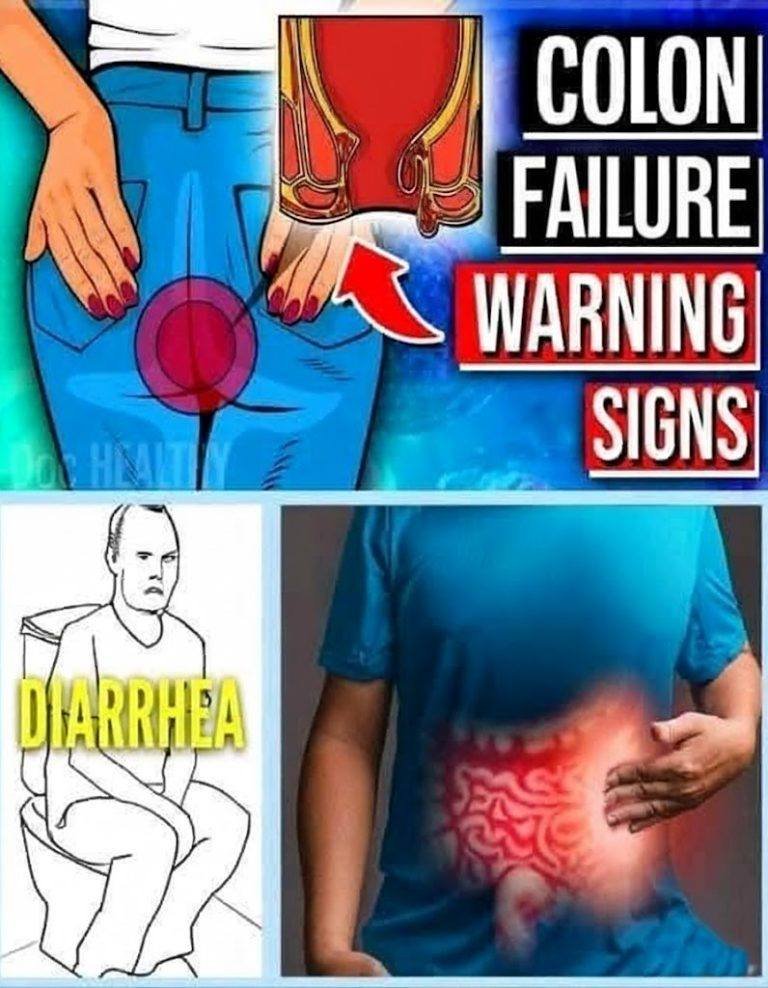
8 Early Warning Signs of Colon Failure You Must Not Ignore (What Your Body Is Trying to Tell You Early)
Learn 8 early warning signs of colon failure, what causes them, and when to seek medical help. Clear, practical guide to digestive health awareness.
Your Colon Rarely Fails Suddenly
Most people think serious digestive problems appear overnight.
But the truth is more subtle.
When the colon (large intestine) starts to struggle, it usually sends warning signals long before anything becomes critical.
The problem?
These signals are often ignored, misread, or blamed on stress, diet, or “just aging.”
Understanding them early can make a real difference in preventing serious complications.
In this guide, you’ll learn:
- What colon failure actually means
- The 8 early warning signs you should never ignore
- When symptoms are harmless vs serious
- What steps to take if you notice changes
Let’s get into it clearly and calmly.
What “Colon Failure” Actually Means
The term “colon failure” isn’t a formal medical diagnosis, but it is commonly used to describe severe dysfunction of the large intestine.
Medically, it may relate to conditions such as:
- Severe constipation or bowel obstruction
- Inflammatory bowel disease complications
- Reduced motility (slow movement of stool)
- Ischemic or damaged colon tissue in rare cases
The colon’s main job is simple but vital:
- Absorb water
- Process waste
- Eliminate stool regularly
When this system slows or breaks down, symptoms begin to appear.
8 Early Warning Signs of Colon Problems
These signs don’t automatically mean severe disease—but they are signals your digestive system needs attention.
1. Persistent Constipation
Occasional constipation is common.
But warning signs include:
- No bowel movement for several days
- Hard, dry stools regularly
- Straining during bowel movements
This may indicate slowed colon function.
2. Changes in Stool Shape or Size
Healthy stool is usually smooth and consistent.
Be cautious if you notice:
- Narrow or pencil-like stools
- Unusually thin or fragmented stool
- Sudden, unexplained changes in shape
These changes can reflect narrowing or blockage in the colon.
3. Abdominal Pain or Cramping
Mild discomfort after eating can happen—but persistent pain is different.
Watch for:
- Frequent cramping
- Lower abdominal pain
- Pain that improves after bowel movement
This may signal inflammation or bowel dysfunction.
4. Bloating That Doesn’t Go Away
Temporary bloating is normal.
But chronic bloating may indicate:
- Slow digestion
- Gas buildup
- Poor intestinal movement
If it persists daily, it should not be ignored.
5. Blood in Stool
This is one of the most important warning signs.
It may appear as:
- Bright red blood
- Dark, tar-like stool
- Hidden blood detected in tests
This symptom always needs medical evaluation.
6. Unexplained Weight Loss
If you’re losing weight without trying, it could indicate:
- Poor nutrient absorption
- Chronic inflammation
- Digestive disease affecting the colon
This is especially concerning if combined with other symptoms.
7. Constant Fatigue
When the colon is not functioning properly:
- Nutrient absorption may decrease
- Inflammation may increase
This can lead to ongoing tiredness even with adequate rest.
8. Feeling of Incomplete Bowel Movement
You may feel like:
- You still need to go after using the bathroom
- The colon isn’t fully emptying
This is often linked to motility issues or obstruction.
Why These Symptoms Should Not Be Ignored
Many colon-related conditions develop slowly.
Ignoring early signs can lead to:
- Severe constipation or blockage
- Chronic inflammation
- Nutritional deficiencies
- More complex gastrointestinal disease
Early detection makes treatment much easier and more effective.
Common Causes of Colon Dysfunction
Several factors can affect colon health:
- Low fiber diet
- Dehydration
- Sedentary lifestyle
- Chronic stress
- Certain medications
- Inflammatory conditions
In many cases, lifestyle plays a major role.
When Symptoms Are Normal vs Concerning
| Normal Occasional Issues | Concerning Patterns |
|---|---|
| Mild constipation once in a while | Constipation lasting days or weeks |
| Temporary bloating after meals | Daily persistent bloating |
| Mild discomfort after heavy food | Frequent abdominal pain |
| Occasional irregular stool | Long-term change in stool shape |
Step-by-Step: What You Should Do If You Notice Symptoms
Step 1: Track Your Symptoms
Note:
- Frequency
- Duration
- Triggers
Patterns matter more than single episodes.
Step 2: Improve Diet Immediately
Focus on:
- High-fiber foods (vegetables, fruits, whole grains)
- Adequate water intake
- Reducing processed foods
Step 3: Increase Movement
Physical activity helps colon movement:
- Walking daily
- Light exercise
- Stretching routines
Step 4: Avoid Overusing Laxatives
Frequent use can weaken natural bowel function.
Step 5: Seek Medical Evaluation
If symptoms persist beyond a few weeks or worsen, consult a healthcare professional.
Expert Insight: What Doctors Focus On
Healthcare providers, including organizations like Mayo Clinic, emphasize that digestive warning signs should not be ignored when they are:
- Persistent
- Worsening
- Combined with weight loss or bleeding
Early evaluation helps rule out serious conditions and guide treatment.
Mini Case Scenario: Early Action Makes the Difference
A 55-year-old man noticed:
- Increasing constipation
- Mild bloating
- Fatigue
At first, he ignored it.
When symptoms continued, he sought medical advice.
After evaluation:
- Diet changes were recommended
- Fiber intake was increased
- Hydration improved
Symptoms significantly reduced within weeks—avoiding more serious complications.
Common Mistakes People Make
Mistake #1: Ignoring Long-Term Constipation
Fix: Treat persistent changes seriously.
Mistake #2: Self-Diagnosing Online
Fix: Use symptoms as a guide, not a conclusion.
Mistake #3: Delaying Medical Advice
Fix: Early evaluation prevents complications.
Mistake #4: Relying Only on Medication
Fix: Lifestyle changes are equally important.
How to Support Colon Health Naturally
- Eat fiber-rich foods daily
- Drink enough water
- Stay physically active
- Manage stress levels
- Maintain regular meal patterns
Frequently Asked Questions
1. What is the earliest sign of colon problems?
Persistent constipation or changes in bowel habits.
2. Is bloating always serious?
No, but chronic bloating should be checked.
3. Can colon issues heal on their own?
Some mild issues improve with lifestyle changes.
4. Is blood in stool always dangerous?
It should always be evaluated by a doctor.
5. Can stress affect colon health?
Yes, stress can slow digestion and worsen symptoms.
6. How often should bowel movements occur?
Typically anywhere from 3 times daily to 3 times weekly is normal.
7. Can diet alone fix colon issues?
Often yes for mild cases, but not always.
8. When should I see a doctor?
If symptoms persist, worsen, or include bleeding or weight loss.
9. Is colon cancer linked to these symptoms?
Some symptoms overlap, which is why evaluation is important.
10. Can exercise improve colon function?
Yes, regular movement supports healthy digestion.
Action Checklist: What to Do Now
✔ Do This
- Track bowel habits
- Increase fiber intake
- Drink more water
- Stay physically active
- Seek medical advice if symptoms persist
❌ Avoid This
- Ignoring persistent constipation
- Self-medicating long-term
- Overlooking blood in stool
- Delaying medical checkups
Conclusion: Your Digestive Health Sends Early Signals
Your colon rarely fails without warning.
Instead, it communicates through small but important changes in digestion, comfort, and bowel habits.
Recognizing these signals early gives you the best chance to address problems before they become serious.
Awareness is not about fear—it’s about prevention and control.
Persistent changes in bowel habits, pain, bloating, or blood in stool should never be ignored. Early attention can protect long-term colon health.
If this helped you understand your body better, share it with someone who needs awareness—or take a moment to reflect on your own digestive health today.