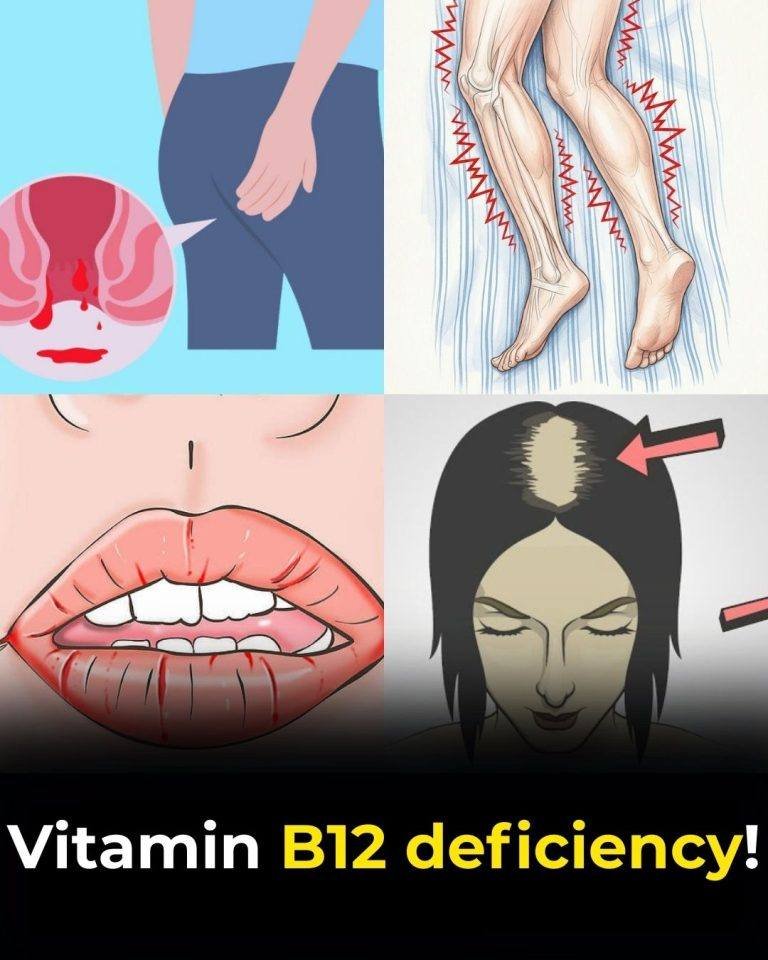
🔥 8 Strange (But Real) Signs Your Body Is Begging for More Vitamin B12 — Don’t Ignore These Red Flags
Unusual fatigue, tingling, or brain fog? Discover 8 surprising vitamin B12 deficiency signs your body may be sending before it gets serious.
You wake up tired… again.
Coffee barely helps. Your focus feels off. Words don’t come as easily as they used to. Maybe you brush it off as stress or poor sleep.
But something subtle keeps bothering you.
It’s not loud. It’s not dramatic. It’s just… persistent.
That’s how a vitamin B12 deficiency often shows up.
Not with obvious alarm bells—but with strange, easy-to-ignore signals your body quietly repeats until you finally pay attention.
And here’s the twist most people miss: B12 deficiency can affect your nerves, brain, and blood long before a blood test ever confirms it.
Let’s break down the unusual signs your body might already be sending—and why ignoring them can slowly drain your energy, clarity, and overall health.
Why Vitamin B12 Matters More Than You Think
Vitamin B12 is essential for:
- Red blood cell production
- Nervous system health
- Brain function and memory
- DNA synthesis
Without enough of it, your body struggles to deliver oxygen efficiently and maintain proper nerve communication.
That’s why symptoms often feel “random” at first.
But they’re not random at all—they’re connected.
1. Tingling or “Pins and Needles” in Hands and Feet
This is one of the earliest—and most overlooked—signs.
Low B12 damages the protective covering around nerves (myelin), disrupting signals between your brain and body.
You might notice:
- Tingling in fingers
- Numbness in toes
- A “buzzing” sensation in limbs
It often gets mistaken for poor circulation or sleeping position—but when it becomes frequent, it’s worth checking.
2. Constant Fatigue That Doesn’t Improve with Rest
This isn’t normal tiredness.
It feels like:
- Waking up already drained
- Low stamina during the day
- Needing frequent naps
Because B12 is needed to produce healthy red blood cells, deficiency can reduce oxygen delivery to your tissues—leaving you exhausted even after sleeping.
3. Brain Fog and Mental Slowness
Ever walk into a room and forget why?
Or struggle to find simple words mid-sentence?
Low B12 can slow cognitive processing, leading to:
- Poor concentration
- Memory lapses
- Difficulty focusing on tasks
It’s often mistaken for stress or burnout—but nutrition may be part of the picture.
4. Pale or Slightly Yellow Skin
This one surprises people.
When B12 is low, red blood cells break down more easily, causing:
- Pale complexion
- Slight yellow tint in skin or eyes (jaundice-like appearance)
It’s subtle at first—but noticeable over time.
5. Mood Changes and Irritability
Your brain relies on B12 to produce mood-regulating chemicals like serotonin.
Deficiency can lead to:
- Irritability
- Low mood
- Increased anxiety
- Emotional sensitivity
Sometimes it’s mistaken for depression—but nutrition can play a hidden role.
6. Balance Problems or Dizziness
Vitamin B12 deficiency can affect your nervous system’s ability to coordinate movement.
You might feel:
- Slight unsteadiness
- Dizziness when standing
- Poor balance in the dark
This is especially concerning in older adults, as it increases fall risk.
7. Glossy, Sore, or Swollen Tongue
Your tongue can actually reflect nutrient status.
With low B12, you may notice:
- Smooth or “shiny” tongue surface
- Burning sensation
- Sensitivity to spicy foods
This condition is sometimes called glossitis.
8. Shortness of Breath or Heart Palpitations
When red blood cell production drops, your heart works harder to deliver oxygen.
This can cause:
- Rapid heartbeat
- Shortness of breath during light activity
- Chest discomfort (in severe cases)
It’s your body compensating for low oxygen levels.
Real-Life Scenario
A 42-year-old office worker in California started noticing constant fatigue and mild tingling in her hands.
She assumed it was stress.
Months later, she struggled with memory lapses during meetings and began feeling dizzy when standing up quickly.
A simple blood test revealed severe B12 deficiency.
After treatment, her energy, focus, and mood improved significantly within weeks.
Step-by-Step: How to Improve Vitamin B12 Levels Naturally
Step 1: Identify Risk Factors
You may be at higher risk if you:
- Follow a vegetarian or vegan diet
- Are over age 50
- Have digestive conditions (like gastritis or IBS)
- Take acid-reducing medications
Step 2: Eat B12-Rich Foods
Include:
- Eggs
- Dairy products
- Fish (salmon, tuna, sardines)
- Meat (chicken, beef, liver)
Plant-based eaters should consider fortified foods.
Step 3: Consider Supplements (If Needed)
Common forms include:
- Cyanocobalamin
- Methylcobalamin
Always consult a healthcare provider for proper dosage.
Step 4: Get Tested
A simple blood test can measure:
- Serum B12 levels
- Methylmalonic acid (for deeper accuracy)
Step 5: Address Absorption Issues
Sometimes the problem isn’t intake—it’s absorption.
Conditions affecting absorption include:
- Gut inflammation
- Low stomach acid
- Pernicious anemia
Quick Comparison: Mild vs Severe B12 Deficiency
| Stage | Symptoms | Action Needed |
|---|---|---|
| Mild | Fatigue, mild tingling | Dietary changes |
| Moderate | Brain fog, mood changes | Supplements |
| Severe | Numbness, balance issues | Medical treatment |
Pros & Cons of B12 Supplementation
Pros
- Improves energy levels
- Supports brain function
- Helps nerve health
- Easy to supplement
Cons
- Overuse is unnecessary (rare toxicity)
- Doesn’t fix absorption problems alone
- May mask other deficiencies if misused
Common Mistakes People Make
Mistake #1: Ignoring Early Symptoms
Fix: Pay attention to subtle changes early.
Mistake #2: Self-Diagnosing Fatigue as Stress
Fix: Get a blood test instead of guessing.
Mistake #3: Taking Supplements Without Checking Levels
Fix: Confirm deficiency first.
Mistake #4: Assuming Diet Alone Is Enough
Fix: Absorption issues are common.
Expert Insight Most People Miss
Neurological symptoms from B12 deficiency can become long-lasting if ignored.
In some cases, nerve damage may not fully reverse—even after levels are corrected.
Early detection matters more than most people realize.
2026 Trends in Vitamin B12 Awareness
- More routine screening in primary care
- Increased awareness among younger adults
- Rise in fortified foods for plant-based diets
- Personalized nutrition testing becoming more common
Future Outlook
As dietary patterns shift globally, B12 deficiency is expected to become more frequently identified—especially among people reducing animal product consumption.
Preventive nutrition screening will likely become standard practice.
❓ Frequently Asked Questions
1. What is the most common sign of B12 deficiency?
Fatigue and low energy are often the earliest signs.
2. Can B12 deficiency affect mental health?
Yes, it can contribute to mood changes and brain fog.
3. How long does it take to recover?
Mild cases improve in weeks; severe cases take months.
4. Is B12 deficiency dangerous?
Yes, if left untreated it can lead to nerve damage.
5. Can you get B12 from plants?
Not naturally—only fortified foods or supplements.
6. Who is most at risk?
Vegans, older adults, and people with digestive disorders.
7. Can stress cause B12 deficiency?
Not directly, but it can worsen symptoms.
8. Is testing necessary?
Yes, it’s the only reliable way to confirm deficiency.
🧾 Action Checklist
✅ What To Do
- Watch for early symptoms
- Eat B12-rich foods regularly
- Get blood levels tested
- Consider supplements if needed
- Address digestive health
❌ What To Avoid
- Ignoring fatigue or tingling
- Self-diagnosing without testing
- Relying solely on energy drinks or caffeine
- Delaying medical advice for neurological symptoms
🏁 Conclusion
Vitamin B12 deficiency rarely announces itself loudly.
Instead, it whispers—through fatigue, tingling, foggy thinking, and subtle changes you might dismiss.
But those small signals matter.
Catching them early can restore your energy, sharpen your mind, and protect your long-term nerve health.
If your body is showing unusual fatigue, tingling, or brain fog, it may be quietly asking for more vitamin B12—don’t ignore the early signs.
If this helped you understand your symptoms better, share it with someone who might need it—or explore more ways to support your long-term health.