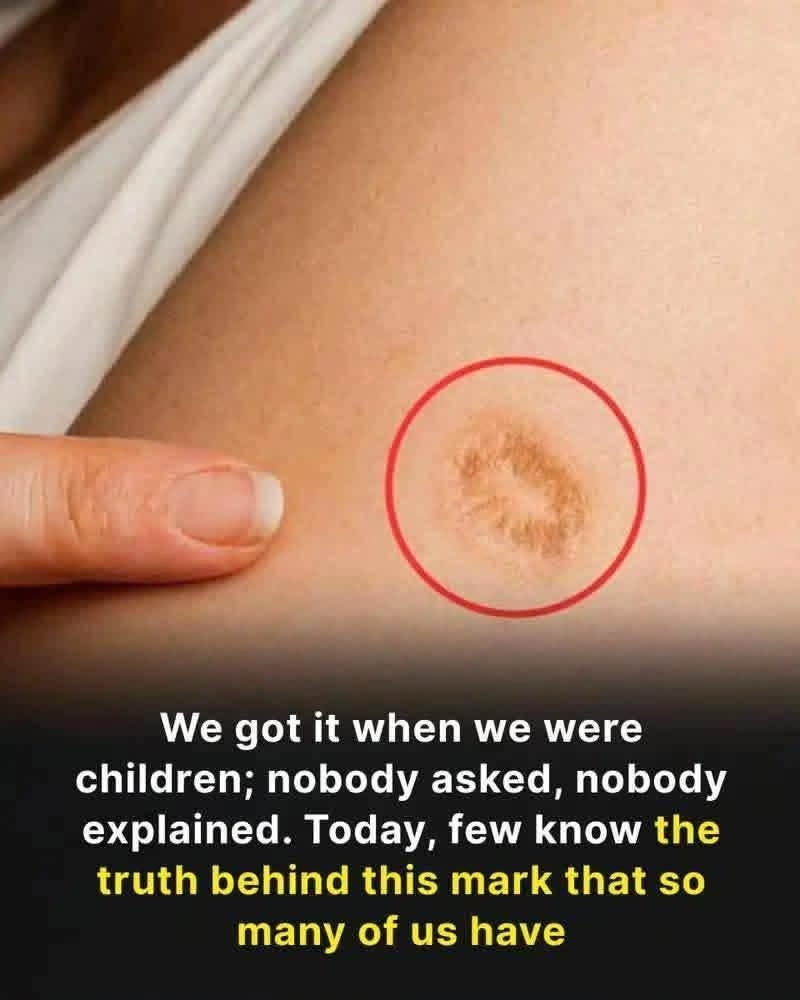
That Scar Isn’t Just Any Old Mark — Here’s What It Might Be Telling You
Scars can reveal more than you think. Learn what different types of scars mean, how they form, and what they might signal about your health or past injuries.
More Than Skin Deep
We often see scars as simple reminders of cuts, burns, or accidents, but each scar can carry a story — and sometimes a warning.
Understanding what your scar indicates can help with:
-
Healing properly
-
Reducing future complications
-
Learning more about your body’s responses
How Scars Form
A scar forms when the skin repairs itself after injury. The body produces collagen fibers to close the wound. Over time, this creates tissue that looks different from surrounding skin.
Types of scars:
-
Hypertrophic Scars – Raised scars that stay within the injury boundary
-
Keloid Scars – Raised, thick, and can spread beyond the injury
-
Atrophic Scars – Sunken scars, often from acne or chickenpox
-
Contracture Scars – Result of burns, can limit movement
What Your Scar Might Be Telling You
-
Location matters: Scars on certain parts of the body may affect underlying tissue or movement
-
Color & texture: Red or purple scars indicate recent formation or active healing; white or silver may indicate older scars
-
Size & shape: Rapidly growing or unusual scars could indicate excessive collagen growth or keloid tendencies
⚠️ If a scar changes suddenly, it’s important to consult a dermatologist.
Tips to Care for Your Scar
-
Keep it moisturized with natural oils or recommended creams
-
Protect from sun exposure to prevent discoloration
-
Gentle massage can soften scar tissue over time
-
Silicone sheets or gels may help flatten raised scars
-
Avoid picking or scratching to prevent worsening
When Scars Signal Something More
Some scars aren’t just from accidents:
-
Repeated cuts or injuries may indicate underlying health issues or behaviors
-
Unusual growths or colors could be a sign to get a medical checkup
-
Scars from burns or infections may need professional monitoring to prevent long-term damage
A scar is more than skin deep — it’s a record of your body’s history.
With proper care and awareness, scars can heal better, fade over time, and tell a story without causing complications.
💡 Pro Tip: Use a daily gentle moisturizer and sunscreen on your scarred area to promote natural fading and prevent discoloration.