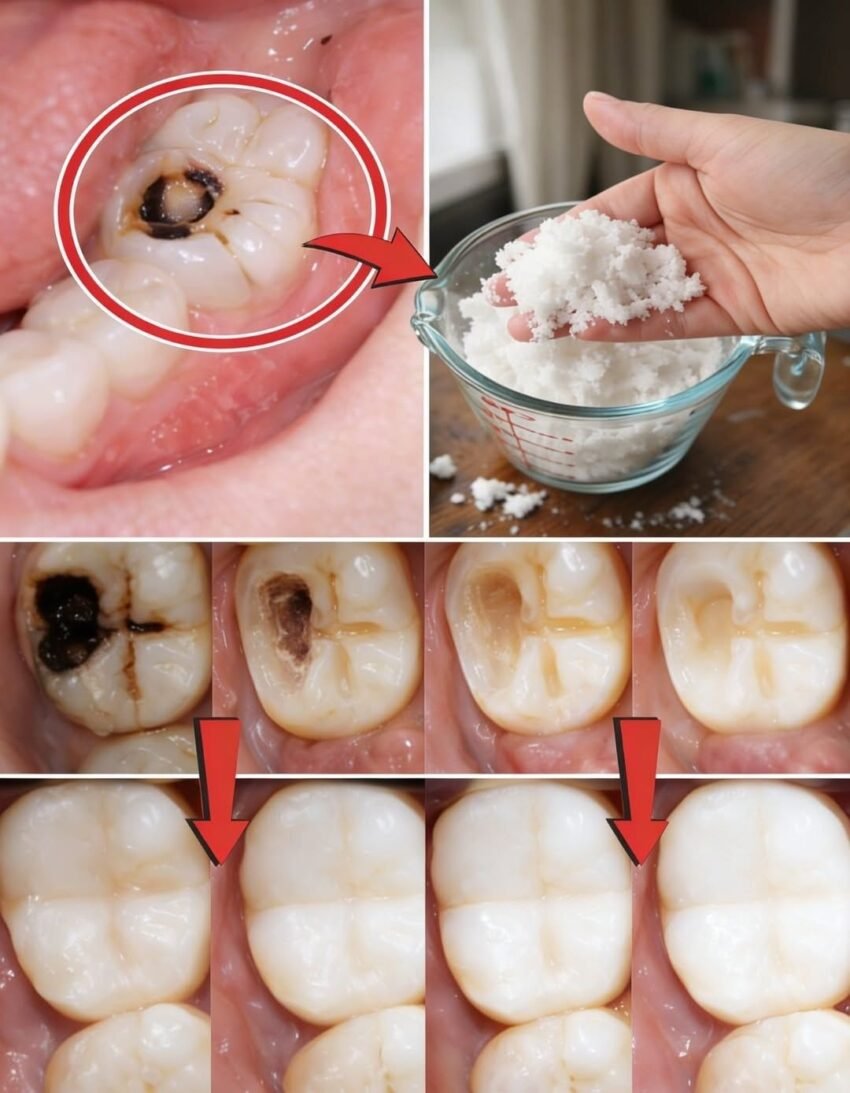
How to Protect Your Teeth from Cavities Naturally: Smart Daily Habits That Actually Work
Learn how to prevent cavities naturally with simple daily habits, diet tips, and oral care routines that support strong, healthy teeth and fewer dental visits.
The Truth About Cavities Most People Don’t Hear Early Enough
It usually starts quietly.
A tiny sensitivity when you drink something cold.
A faint dark spot you ignore in the mirror.
A mild discomfort that “goes away later.”
And then one day, it doesn’t.
Cavities are one of the most common dental problems worldwide, yet they are also one of the most misunderstood.
Many people search for ways to “reverse” them naturally — but here’s the honest reality:
👉 Once a cavity forms, it cannot heal on its own.
However, there is something even more important you can do:
You can stop them from forming in the first place — and sometimes even slow early enamel damage before it becomes a cavity.
That’s where real prevention begins.
How Cavities Actually Form
Cavities don’t appear overnight.
They develop in stages:
- Food particles stay on teeth
- Bacteria feed on sugar and starch
- Acid is produced
- Enamel slowly weakens
- A hole forms in the tooth
This process is called dental decay.
According to the Dental Caries, this is one of the most widespread chronic health conditions globally, but also one of the most preventable.
Why Prevention Matters More Than Treatment
Many people wait until pain starts.
But by the time pain appears:
- damage is already advanced
- enamel is already compromised
- treatment becomes more complex
Prevention is:
- cheaper
- easier
- less painful
- more effective
1. Brush the Right Way (Not Just Twice a Day)
Brushing isn’t just about frequency — it’s about technique.
What actually works:
- Brush for 2 full minutes
- Use a soft-bristle toothbrush
- Focus on gumline areas
- Brush gently (not aggressively)
Hard brushing does NOT clean better — it can damage enamel.
2. Don’t Skip Flossing (This Is Where Cavities Start)
Most cavities begin between teeth, where brushes can’t reach.
Flossing helps:
- remove hidden food particles
- reduce plaque buildup
- protect tight spaces between teeth
Even once daily flossing makes a big difference.
3. Reduce Frequent Sugar Exposure
It’s not just how much sugar you eat — it’s how often.
Every sugar intake creates an acid attack on enamel.
Common hidden sources:
- soft drinks
- packaged snacks
- flavored coffee
- sweets between meals
The less frequent the exposure, the better your enamel recovery time.
4. Drink Water After Eating
Water helps:
- wash away food particles
- neutralize acids
- support saliva production
Saliva is your body’s natural defense system for teeth.
5. Eat Foods That Support Enamel Strength
Some foods naturally support oral health:
- cheese
- nuts
- leafy greens
- apples and carrots
- yogurt
These help:
- stimulate saliva
- provide minerals
- reduce acid impact
6. Don’t Ignore Early Warning Signs
Early signs of tooth decay include:
- sensitivity to cold or sweets
- white or dark spots
- mild discomfort when chewing
At this stage, professional dental care can prevent further damage.
What Does NOT Actually Repair Cavities
There is a lot of misinformation online.
Let’s be clear:
These do NOT reverse cavities:
- oil pulling
- herbal mixtures
- baking soda cures
- “natural enamel repair drinks”
- DIY whitening hacks
They may improve oral hygiene slightly, but they cannot rebuild lost tooth structure.
The Dental Caries requires professional treatment once it progresses beyond the early stage.
The Real “Natural” Goal: Stop Cavities Before They Start
Instead of trying to repair damage at home, the real focus should be:
- strengthening enamel daily
- reducing acid exposure
- improving hygiene habits
- catching early signs quickly
This is where natural habits actually make a difference.
When You Should Definitely See a Dentist
Do not delay dental care if you experience:
- persistent tooth pain
- visible holes or dark spots
- swelling in gums
- pain while chewing
- sensitivity that doesn’t go away
Early treatment prevents complications.
Common Mistakes People Make
Waiting for pain to start
Cavities often begin silently.
Relying only on home remedies
They don’t replace dental care.
Brushing too hard
This can damage enamel and gums.
Ignoring flossing
This is where many cavities begin.
Frequently Asked Questions
Can cavities heal naturally?
Early enamel damage may be slowed, but true cavities cannot heal without dental treatment.
What causes cavities?
Bacteria, sugar, and poor oral hygiene lead to enamel breakdown.
How can I prevent cavities naturally?
Good brushing, flossing, diet control, and hydration help significantly.
Is fluoride necessary?
Fluoride helps strengthen enamel and reduce decay risk.
Can oil pulling remove cavities?
No, it cannot reverse tooth decay.
What foods cause cavities?
Sugary and sticky foods increase risk.
Are cavities common?
Yes, they are one of the most common dental conditions worldwide.
When should I see a dentist?
At the first sign of pain, sensitivity, or visible damage.
Can children get cavities?
Yes, especially with frequent sugar intake and poor brushing habits.
Is tooth decay reversible?
Early stages may be controlled, but advanced decay is not reversible.
Cavities are not something to “fix naturally” once they form — but they are something you can almost always prevent with the right habits.
The real power is not in home cures, but in daily consistency:
- proper brushing
- flossing
- mindful eating
- early attention to changes
Healthy teeth are built quietly over time, not restored overnight.
Natural habits can strongly prevent cavities, but once tooth decay begins, professional dental treatment is the only safe and effective solution.