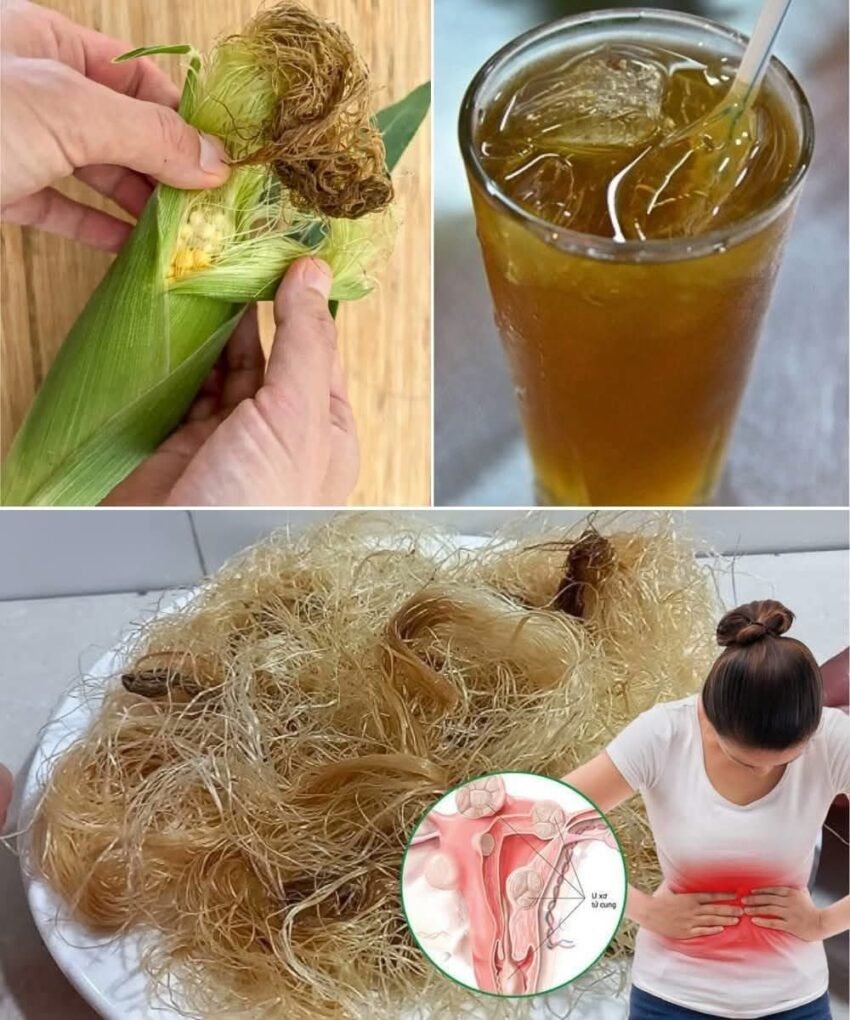
Most People Love Corn, But They Don’t Know How Powerful Corn Silk Is
Corn silk isn’t just a byproduct—discover its potential health benefits, how to prepare it safely, and why it’s considered a natural wellness booster.
Corn is a favorite in kitchens worldwide, from buttery cobs to crunchy popcorn. But while most people enjoy the kernels, very few know about corn silk—the fine threads that grow atop the cob.
These silky threads have been used in traditional medicine for centuries and are now being studied for their potential health benefits.
What Is Corn Silk?
Corn silk is the long, shiny strands that appear on the top of an ear of corn. Though often discarded, it contains antioxidants, vitamins, and minerals that may support wellness.
Key compounds include:
-
Flavonoids – antioxidants that combat free radicals
-
Vitamins A, C, and K – support immunity and overall health
-
Minerals like potassium, calcium, and magnesium – aid organ and bone health
-
Polysaccharides – may have mild anti-inflammatory effects
Health Benefits of Corn Silk
1. Supports Healthy Kidneys and Urinary Tract
Corn silk is traditionally used as a diuretic, helping the body flush excess fluids. Benefits may include:
-
Reducing water retention
-
Supporting kidney function
-
Promoting urinary tract health
2. May Help Manage Blood Sugar
Preliminary studies suggest corn silk may help regulate blood sugar levels by supporting glucose metabolism, making it a natural complement for overall blood sugar management.
3. Anti-Inflammatory Properties
Flavonoids in corn silk may help reduce inflammation in the body, which can support joint comfort and overall wellness.
4. Heart Health Support
Corn silk contains potassium, which may help maintain healthy blood pressure and support cardiovascular wellness.
5. Natural Antioxidant Support
Free radicals contribute to aging and chronic diseases. The antioxidants in corn silk may help protect cells from oxidative stress.
How to Prepare Corn Silk Tea
Corn silk can be consumed safely as tea or infusion. Here’s how:
Ingredients:
-
Fresh or dried corn silk (about 1–2 tablespoons)
-
2 cups of water
-
Optional: honey or lemon for taste
Steps:
-
Rinse the corn silk to remove dirt and impurities.
-
Boil 2 cups of water and add the corn silk.
-
Simmer for 10–15 minutes.
-
Strain the liquid into a cup.
-
Add honey or lemon if desired.
-
Drink warm, up to 1–2 times per day.
Note: Avoid consuming raw corn silk in large quantities. Always use clean, pesticide-free silk.
Tips for Using Corn Silk Safely
-
Check with your doctor if you are pregnant, nursing, or on medications (especially diuretics or blood thinners).
-
Moderation is key — too much can cause mild diuretic effects like frequent urination.
-
Use organic corn silk to reduce pesticide exposure.
FAQs About Corn Silk
1. Can corn silk help with kidney stones?
It may support urinary tract health and help prevent mild kidney stone formation, but it’s not a treatment for existing stones.
2. How long does it take to see benefits?
Benefits like reduced bloating or improved hydration may appear within days; long-term antioxidant support requires consistent use.
3. Is corn silk safe for children?
Generally yes, in small amounts as tea, but consult a pediatrician for young children.
4. Can it replace medication?
No. Corn silk is a natural wellness supplement, not a replacement for prescription drugs.
5. Can you eat corn silk raw?
It’s safe in small amounts but often bitter; tea or infusion is recommended.
Corn silk is more than a kitchen discard—it’s a natural wellness booster with potential benefits for kidneys, blood sugar, heart health, and overall antioxidant support.
Making a simple corn silk tea can help you harness its properties safely and enjoy a centuries-old health tradition.
Next time you shuck an ear of corn, don’t toss the silk — it might just be the hidden superfood you didn’t know you had.