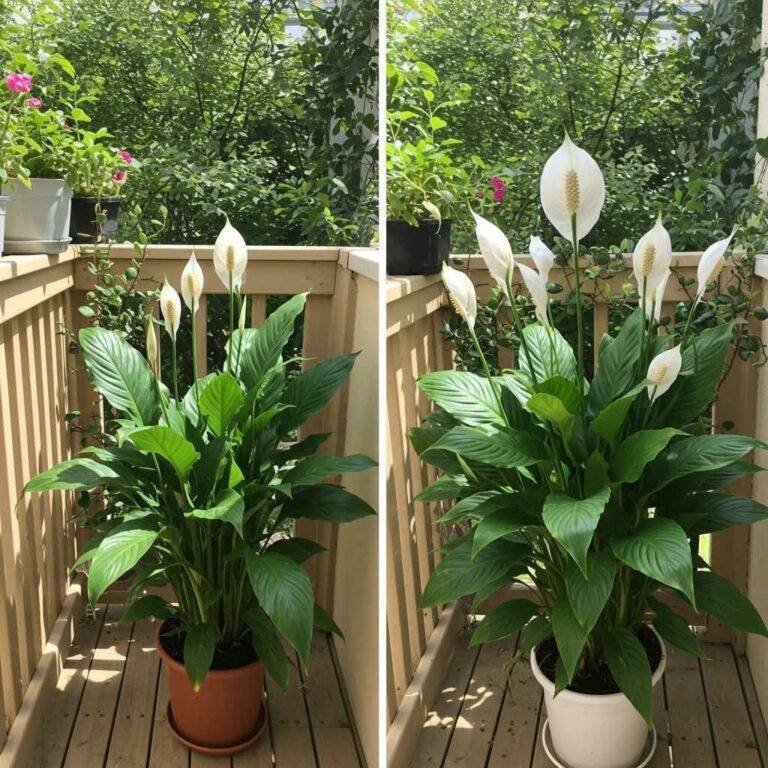
Just 1 Cup Makes Peace Lily Bloom Like Crazy (Even the “Ugly” Ones)
Discover the simple 1-cup trick that helps peace lilies bloom more often. Safe, natural, and beginner-friendly plant care guide.
Is Your Peace Lily All Leaves and No Flowers?
You bought a beautiful peace lily.
It had glossy green leaves and elegant white blooms.
Then weeks passed.
The flowers faded.
Now it’s just… leaves.
Maybe droopy ones.
If that sounds familiar, you’re not alone. Across the United States, the peace lily remains one of the most popular indoor plants — and also one of the most misunderstood.
The good news?
Sometimes, one simple adjustment — even something as small as a single cup of the right solution — can dramatically improve blooming conditions.
Let’s break down what actually works, why it works, and how to help even struggling peace lilies thrive again.
Meet the Plant: Spathiphyllum
Commonly called the peace lily, Spathiphyllum isn’t a true lily at all. It’s a tropical plant native to Central and South America that has adapted beautifully to indoor environments.
Why Americans love it:
-
Tolerates low light
-
Signals when it needs water (dramatic drooping)
-
Air-purifying reputation
-
Elegant white spathes (often mistaken for flowers)
But here’s the catch:
Blooming indoors requires the right combination of light, nutrients, and moisture balance.
And that’s where the “1 cup” method comes in.
The 1-Cup Bloom Booster: Diluted Compost Tea
Before we go any further:
This is not a miracle chemical.
It’s not a secret powder.
It’s not sugar water.
The safest and most effective “1 cup” booster for peace lily blooms is:
1 cup of diluted compost tea per watering cycle (used correctly).
Let’s unpack why this works.
Why Compost Tea Helps Peace Lilies Bloom
Peace lilies don’t bloom simply because they’re watered.
They bloom when:
-
They receive indirect bright light
-
Their roots are healthy
-
They have adequate phosphorus
-
The soil ecosystem is balanced
Diluted compost tea provides:
-
Mild organic nutrients
-
Beneficial microbes
-
Trace minerals
-
Improved soil structure
Unlike synthetic fertilizers that can burn roots, properly diluted compost tea feeds gently and supports long-term plant health.
How to Make the Right 1-Cup Solution (Step-by-Step)
This is where most people go wrong.
Step 1: Brew Simple Compost Tea
You’ll need:
-
1 shovel of finished compost
-
1 gallon of water
-
A bucket
-
24 hours of steeping time
Stir occasionally.
Strain before use.
Step 2: Dilute Properly
For peace lilies:
-
Use 1 part compost tea
-
Mix with 3 parts water
You don’t want it too strong.
Overfeeding causes leaf burn and prevents blooms.
Step 3: Apply Just 1 Cup
Pour 1 cup of diluted solution into moist soil (not dry soil).
Do this:
-
Once every 4–6 weeks during growing season (spring and summer)
-
Reduce in fall
-
Avoid in deep winter dormancy
That’s it.
No soaking.
No flooding.
No daily feeding.
Why This Works Better Than Over-Fertilizing
Many Americans unknowingly overfeed houseplants.
According to plant care guidance widely referenced by horticultural programs at institutions like Harvard University, excessive fertilizer is one of the most common causes of indoor plant stress.
Peace lilies respond better to:
-
Mild nutrient consistency
-
Stable soil conditions
-
Gentle feeding cycles
One cup is enough because it supports — it doesn’t overwhelm.
Real-Life Scenario: The “Ugly” Peace Lily Comeback
A homeowner in Ohio had a peace lily that hadn’t bloomed in 18 months.
Leaves were green but:
-
Smaller than before
-
No spathes forming
-
Slight yellowing edges
She increased light exposure slightly and added:
-
1 cup diluted compost tea every month (April–August)
Within two months:
-
Larger leaves emerged
-
A single spathe appeared
-
By late summer, three blooms formed
Was compost tea magic?
No.
It corrected a mild nutrient deficiency combined with improved light.
Light Matters More Than You Think
Let’s address something important.
If your peace lily isn’t blooming, nutrients alone won’t fix it.
Peace lilies need:
-
Bright, indirect light
-
Near a north or east-facing window
-
Filtered sunlight (not direct harsh rays)
Too little light = no blooms
Too much direct sun = scorched leaves
Think “bright shade,” like under a tree canopy.
Common Beginner Mistakes (Avoid These)
-
Using straight tap water with high chlorine repeatedly
-
Placing plant in a dark hallway
-
Letting roots sit in standing water
-
Over-fertilizing monthly with synthetic blends
-
Ignoring root-bound conditions
Peace lilies prefer slightly tight roots — but extremely root-bound plants may stop blooming.
If roots circle densely, consider repotting one size up.
Pros and Cons of Compost Tea for Indoor Plants
| Pros | Cons |
|---|---|
| Gentle nutrient delivery | Must be brewed properly |
| Improves soil microbes | Can smell if poorly made |
| Low burn risk | Not instant results |
| Budget-friendly | Requires patience |
If convenience matters more than DIY, choose a balanced, diluted houseplant fertilizer labeled safe for flowering plants.
Does This Work on Every Peace Lily?
Most indoor varieties belong to Spathiphyllum wallisii or hybrid cultivars.
Bloom response varies based on:
-
Plant age
-
Pot size
-
Indoor humidity
-
Seasonal timing
Older, established plants respond best.
Young plants may focus on leaf growth first.
The Role of Water Quality in Blooming
In many U.S. cities, tap water contains:
-
Fluoride
-
Chlorine
-
Mineral buildup
Peace lilies are sensitive to salt accumulation.
If leaf tips turn brown:
-
Try filtered water
-
Or let tap water sit 24 hours before use
Improving water quality alone can increase bloom production.
2026 Indoor Plant Trend: Soil Health Over Quick Fixes
Indoor gardening trends across American households increasingly favor:
-
Organic inputs
-
Soil microbiome awareness
-
Sustainable plant care
Rather than “force-blooming” plants, growers are focusing on long-term health.
Peace lilies reward patience.
Expert Tips Most People Don’t Know
• Slight temperature drops at night encourage blooming
• Wiping leaves improves photosynthesis
• Rotating the pot weekly promotes even growth
• Peace lilies bloom more when mildly root snug
• Consistent humidity above 40% improves results
If your home runs dry in winter, consider a small humidifier nearby.
Frequently Asked Questions
Can I use coffee grounds instead?
Not directly. Fresh grounds compact soil and alter pH. Compost them first.
How often should peace lilies bloom?
Typically once or twice per year indoors, sometimes more in optimal conditions.
Is Epsom salt safe?
In small diluted amounts, occasionally — but not necessary unless magnesium deficiency is confirmed.
Why are my leaves green but no flowers?
Most likely insufficient light.
Can I use banana peel water?
It provides minimal usable nutrients unless properly composted first.
Should I cut old blooms?
Yes. Trim spent flowers at the base to redirect energy.
What if leaves keep drooping?
Check watering consistency. Peace lilies signal thirst dramatically.
Is compost tea safe for pets?
The plant itself can be mildly toxic if ingested. Keep away from pets regardless of fertilizer choice.
Simple Bloom Revival Checklist
✔ Move to bright indirect light
✔ Water consistently but avoid soggy soil
✔ Apply 1 cup diluted compost tea monthly (spring–summer)
✔ Use filtered or rested water
✔ Trim old blooms
✔ Check root condition annually
Consistency beats intensity.
There’s no miracle potion that transforms a struggling peace lily overnight.
But one cup — applied correctly — can support healthier soil, stronger roots, and better blooming conditions.
Even the “ugly” ones aren’t hopeless.
They’re usually just under-supported.
Give your peace lily balanced light, stable moisture, and gentle feeding — and you may be surprised how resilient it truly is.
If this guide helped, share it with a fellow plant lover or drop a comment with your bloom success story. Indoor gardening is better when we grow together.