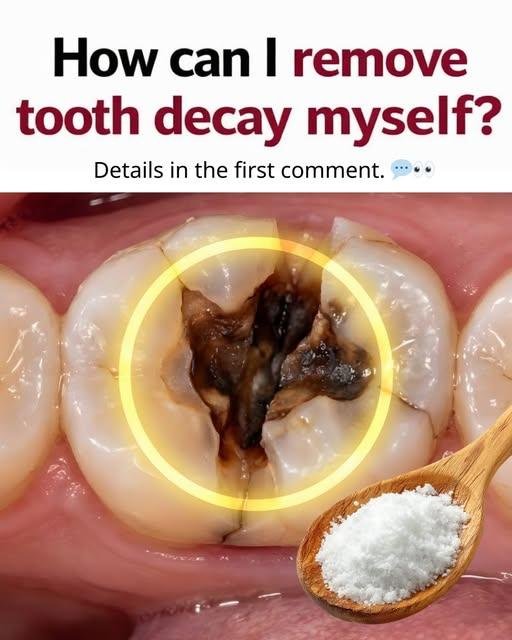
How Can I Remove Tooth Decay Myself? The Honest Truth (And What Actually Works)
Wondering if you can remove tooth decay at home? Learn what really works, what myths to avoid, and how to protect your teeth safely without harming your oral health.
The Question Millions of Americans Wonder About
Tooth decay is one of the most common chronic conditions in the United States. The Centers for Disease Control and Prevention reports that over 90% of adults have had cavities by age 65.
It’s easy to panic when you notice:
-
Tooth sensitivity
-
Dark spots on enamel
-
Pain when eating sweets or cold drinks
And your first thought might be: “Can I remove this decay myself?”
Before you grab a home remedy from the internet, here’s the honest truth.
What Tooth Decay Really Is
Tooth decay, or dental caries, occurs when enamel and dentin break down due to acid-producing bacteria.
Key points:
-
Starts as tiny demineralized spots on enamel
-
Progresses if bacteria, sugar, and plaque persist
-
Can eventually reach the inner pulp, causing pain and infection
Once a cavity forms, the structure of your tooth is compromised. Stopping it early is crucial.
Why Home Remedies Can’t Fully Remove Decay
Popular suggestions like:
-
Applying clove oil
-
Rubbing turmeric
-
Using activated charcoal
-
DIY fillings
…sound appealing, but here’s the reality:
-
They cannot restore lost enamel
-
They cannot remove bacteria lodged in dentin
-
They do not reverse cavities that penetrate deeper layers
Some remedies may temporarily reduce discomfort or inflammation, but they do not “erase” decay.
What Actually Works to Stop Tooth Decay at Home
While you cannot remove decay completely without professional care, you can slow or prevent progression through science-backed strategies:
1. Fluoride
-
Strengthens enamel
-
Reverses early demineralization
How to use:
-
Fluoride toothpaste (twice daily)
-
Fluoride mouth rinse
2. Reduce Sugar and Acidic Foods
-
Bacteria feed on sugars, producing enamel-eroding acids
-
Limit soda, candy, and processed snacks
3. Good Oral Hygiene
-
Brush twice daily (soft bristle)
-
Floss once daily
-
Use an antibacterial mouth rinse if recommended
4. Regular Hydration
-
Saliva neutralizes acids and carries minerals to teeth
-
Drink water throughout the day
Professional Care Is Essential
If you notice actual cavities or decay that has progressed past enamel:
-
Fillings repair structural damage
-
Crowns restore larger decay areas
-
Root canals treat deep infection
Waiting too long can lead to:
-
Tooth loss
-
Severe pain
-
Expensive procedures
Home care can prevent decay, but it cannot replace necessary dental treatments.
Myths About Removing Decay at Home
| Myth | Truth |
|---|---|
| “Oil pulling removes cavities.” | May reduce bacteria slightly, but does not repair enamel or remove decay. |
| “Activated charcoal can cure cavities.” | May whiten teeth superficially, but does not affect underlying decay. |
| “Clove oil dissolves cavities.” | Helps with pain temporarily, but does not remove decay. |
| “DIY fillings work.” | Temporary, unsafe, and can worsen infection if not done properly. |
Early Intervention: The Key to Avoiding Drastic Measures
If you catch decay at the very first stage:
-
White spots on enamel may remineralize with fluoride, calcium, and phosphate
-
Stopping sugar and maintaining excellent oral hygiene can prevent cavity formation
But once a hole develops, professional restoration is unavoidable.
Real-World Scenario
Mark, 35, noticed a small white spot on a molar.
-
He started brushing with a high-fluoride toothpaste
-
Reduced soda intake
-
Flossed daily
Over six months, the spot stabilized and did not progress into a cavity.
Contrast this with his other tooth that had a deeper brown cavity — home care alone could not fix it. A dentist restored it safely.
FAQs
Can tooth decay be reversed naturally?
Only at the very earliest stage (enamel demineralization). Once a cavity forms, it requires professional treatment.
Does sugar-free gum help?
Yes — chewing stimulates saliva, which neutralizes acids and promotes remineralization.
Are herbal remedies effective?
Some may reduce bacteria or inflammation, but they do not repair cavities.
How often should I see a dentist?
Every 6 months for check-ups; sooner if you notice sensitivity or spots.
Can diet alone prevent cavities?
It helps, but combined oral hygiene and fluoride are essential.
What’s the first sign of decay?
White or brown spots, sensitivity to hot/cold, or slight discomfort when chewing.
You cannot remove tooth decay entirely at home.
Early-stage enamel demineralization can be halted or reversed with:
-
Fluoride
-
Proper hygiene
-
Diet management
-
Hydration
Once cavities form, professional dental intervention is essential.
Think of home care as prevention and maintenance, not a cure. Protect your teeth, catch problems early, and let science-backed treatments handle what cannot be fixed naturally.
Healthy teeth aren’t about shortcuts — they’re about consistent care and timely action.