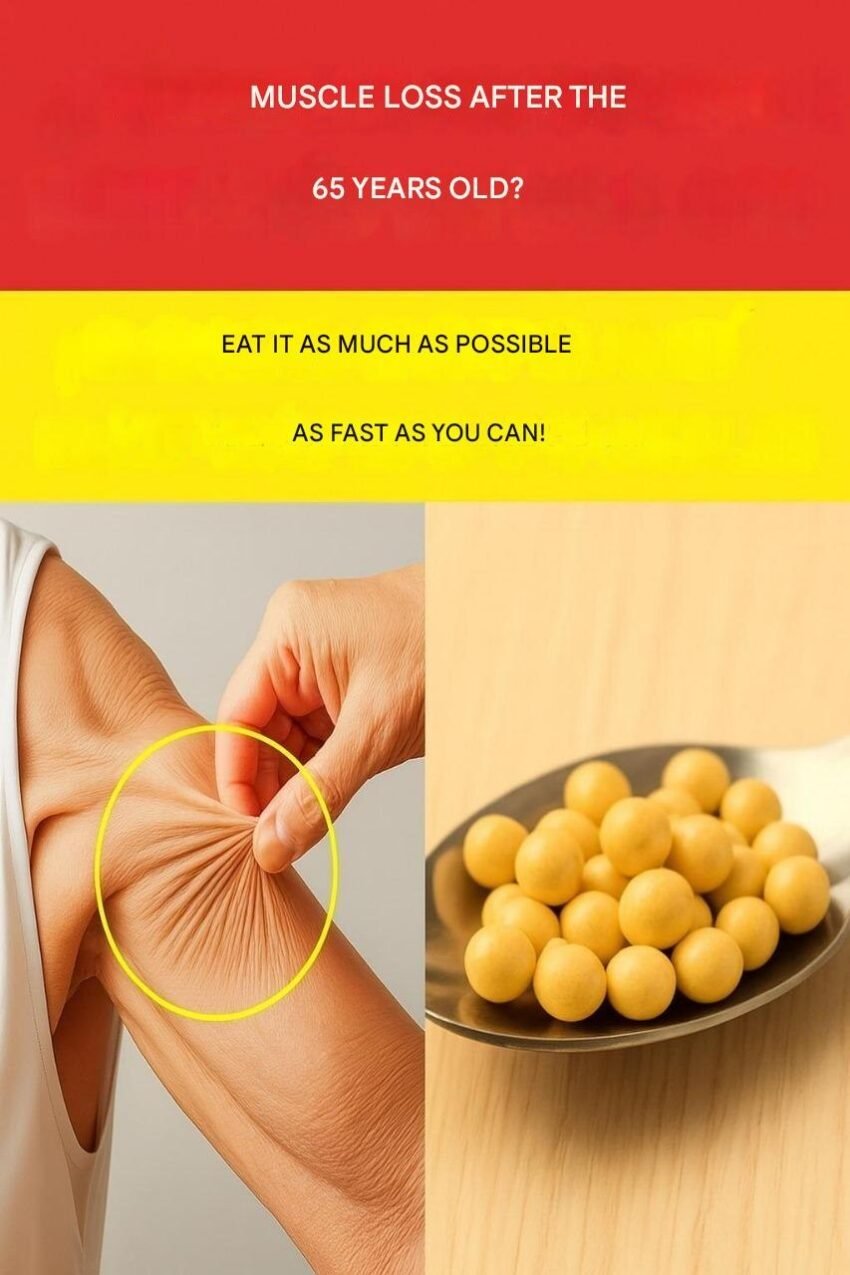
Top Foods That Help Strengthen Muscles in the Elderly
Discover the best muscle-strengthening foods for seniors. Support mobility, prevent muscle loss, and stay active with these nutrient-packed choices.
Why Muscle Health Matters for Older Adults
As we age, muscle mass naturally declines — a process called sarcopenia. This can lead to:
-
Reduced strength and mobility
-
Higher risk of falls and fractures
-
Difficulty performing daily activities
-
Lower overall quality of life
Nutrition plays a key role in preserving and building muscle, alongside regular exercise. The right foods provide protein, vitamins, minerals, and antioxidants needed for healthy muscles.
Top Muscle-Strengthening Foods
1. Lean Meats
-
Chicken, turkey, and lean beef are rich in high-quality protein and amino acids like leucine, which stimulates muscle protein synthesis.
-
Supports recovery and muscle maintenance in seniors who are active or starting strength training.
2. Fish
-
Salmon, tuna, and sardines provide protein and omega-3 fatty acids, which reduce inflammation and support muscle health.
-
Omega-3s may help preserve muscle mass and strength in older adults.
3. Eggs
-
A complete protein source with essential amino acids.
-
Rich in vitamin D, important for muscle function and bone strength.
-
Versatile and easy to incorporate into meals.
4. Dairy Products
-
Milk, yogurt, and cheese are packed with protein, calcium, and vitamin D.
-
Supports muscle contraction and overall musculoskeletal health.
5. Legumes
-
Lentils, chickpeas, and black beans provide plant-based protein and fiber.
-
Excellent for seniors following a vegetarian or low-meat diet.
6. Nuts and Seeds
-
Almonds, walnuts, chia seeds, and flaxseeds offer healthy fats, protein, and magnesium.
-
Magnesium is crucial for muscle contraction and energy production.
7. Whole Grains
-
Quinoa, oats, and brown rice provide carbohydrates for energy and small amounts of protein.
-
Supports endurance and fuels muscle-building activities.
8. Fruits and Vegetables
-
Berries, oranges, spinach, and broccoli provide antioxidants and vitamin C, reducing oxidative stress in muscles.
-
Rich in potassium, which helps prevent muscle cramps.
Tips for Maximizing Muscle Health in Seniors
-
Protein Timing: Spread protein intake across meals to optimize muscle protein synthesis.
-
Combine Nutrition with Exercise: Resistance training or light weight exercises amplify muscle strength.
-
Stay Hydrated: Muscles require adequate water to function efficiently.
-
Include Vitamin D and Calcium: Crucial for muscle and bone health, especially in seniors.
-
Avoid Empty Calories: Minimize sugary or processed foods that can hinder muscle maintenance.
Real-Life Scenario
John, 68, noticed weaker legs and slower walking speed. He:
-
Added eggs, salmon, and lentils to his daily meals
-
Began light resistance exercises twice a week
After 3 months, John experienced:
-
Improved leg strength
-
Easier mobility for daily tasks
-
More energy and confidence
FAQ
Q: How much protein should seniors consume daily?
A: Aim for 1–1.2 grams per kilogram of body weight per day, spread across meals.
Q: Can seniors build muscle without exercise?
A: Nutrition alone helps maintain muscle, but exercise is essential for growth and strength.
Q: Are plant proteins as effective as animal proteins?
A: Yes, if combined (e.g., beans + grains) to provide all essential amino acids.
Q: Can supplements replace these foods?
A: Whole foods are preferred, but protein powders or vitamin D supplements may help if dietary intake is insufficient.
The Bigger Picture
Maintaining muscle health is critical for independence, mobility, and overall quality of life in the elderly. A balanced diet rich in protein, healthy fats, vitamins, and minerals, combined with regular physical activity, can slow muscle loss and even improve strength.
Seniors can strengthen muscles naturally by focusing on:
-
Lean meats, fish, and eggs
-
Dairy, legumes, and nuts
-
Whole grains and antioxidant-rich fruits and vegetables
Coupled with consistent exercise and hydration, these foods can help older adults stay active, reduce fall risk, and enjoy daily life with strength and confidence.