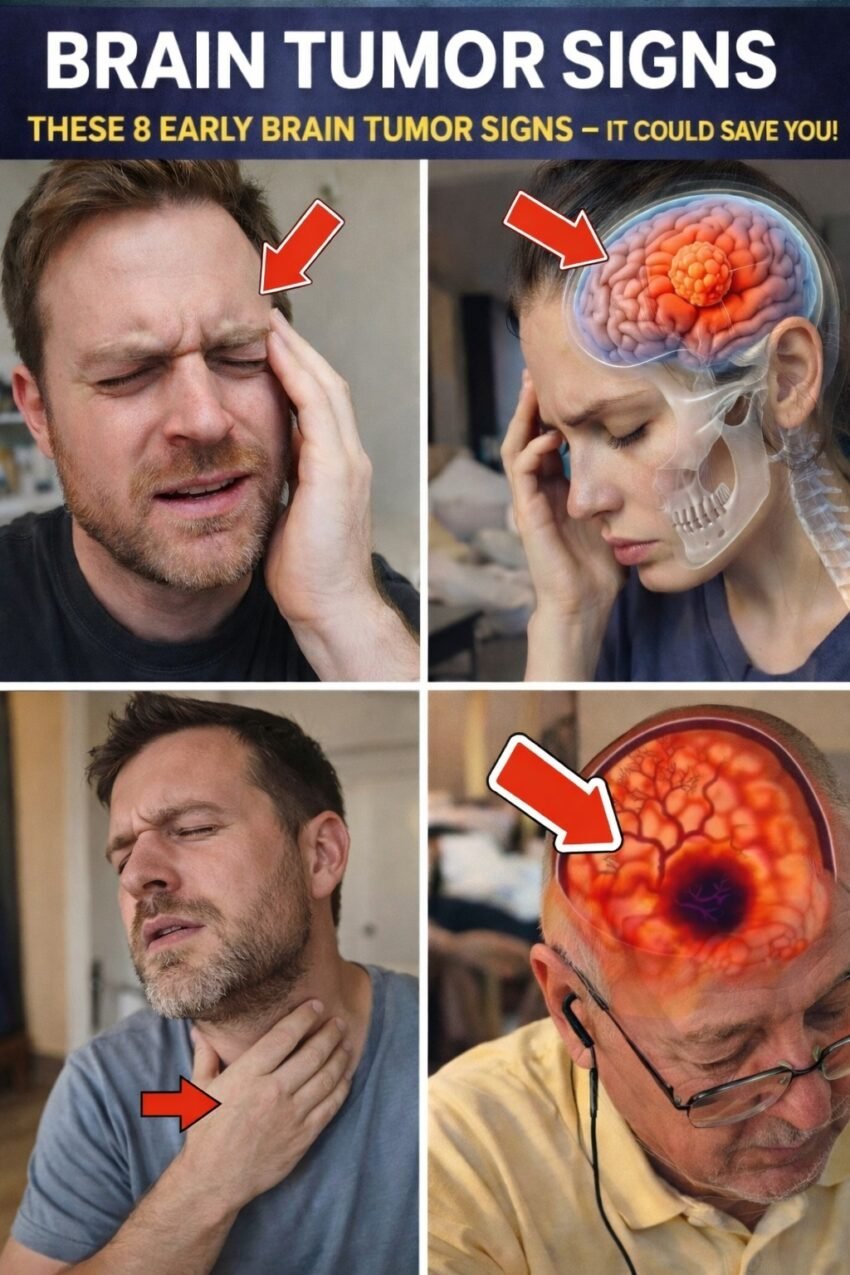
8 Early Warning Signs of a Brain Tumor You Should Never Ignore
Learn the early warning signs of a brain tumor. Recognize symptoms like persistent headaches, vision changes, and cognitive shifts to seek timely medical care.
Why Early Detection Matters
Brain tumors can develop silently, and early detection significantly improves treatment outcomes. Many symptoms are subtle at first and may be mistaken for stress, fatigue, or aging.
Being aware of early warning signs empowers you to seek medical attention promptly and take control of your health.
1. Persistent Headaches
-
Headaches that worsen over time or change in pattern can be an early sign.
-
Often worse in the morning or at night, sometimes accompanied by nausea.
-
Unlike regular tension headaches, these may not respond to standard painkillers.
2. Vision Changes
-
Blurred vision, double vision, or partial vision loss.
-
Difficulty seeing in low light or sudden changes in peripheral vision.
-
These symptoms may indicate pressure on parts of the brain responsible for vision.
3. Seizures or Convulsions
-
New-onset seizures in adults can be an important warning sign.
-
Can be partial (affecting one side of the body) or generalized.
-
Even a single unexplained seizure should prompt a medical evaluation.
4. Nausea and Vomiting
-
Persistent nausea, sometimes without an obvious cause, can signal increased intracranial pressure.
-
Often worse in the morning or with sudden position changes.
-
Not typical for everyday stomach issues and should be monitored carefully.
5. Cognitive or Personality Changes
-
Sudden difficulty with memory, problem-solving, or concentration.
-
Noticeable shifts in behavior, mood swings, or confusion.
-
Friends and family may notice these changes before the person does.
6. Weakness or Numbness
-
Unexplained weakness or numbness in arms, legs, or face.
-
Loss of coordination or difficulty walking.
-
Can affect one side of the body, often reflecting the tumor’s location.
7. Speech or Language Difficulties
-
Slurred speech, trouble finding words, or misunderstanding conversations.
-
Difficulty reading or writing clearly.
-
Early signs often appear subtly, gradually affecting communication.
8. Balance and Coordination Issues
-
Unsteady walking, frequent stumbling, or difficulty with fine motor tasks.
-
Problems with balance may signal tumors affecting the cerebellum, the brain’s coordination center.
What to Do If You Notice Symptoms
-
Document the changes: Track frequency, duration, and triggers.
-
Consult a doctor promptly: Primary care physician or neurologist.
-
Request imaging tests if recommended: MRI or CT scans can identify abnormalities.
-
Avoid self-diagnosis: Symptoms overlap with many conditions; professional evaluation is essential.
Real-Life Scenario
Tom, 46, experienced morning headaches and occasional blurred vision for months. Initially attributed it to stress.
-
After seeing a neurologist and undergoing an MRI, a small benign tumor was detected early.
-
Prompt treatment prevented progression and allowed full recovery.
Early recognition made all the difference.
FAQ
Q: Are all headaches a sign of a brain tumor?
A: No. Most headaches are benign, but persistent, worsening, or unusual headaches should be evaluated.
Q: Can personality changes really indicate a tumor?
A: Yes, especially when sudden or unexplained, affecting social interactions or daily functioning.
Q: What age is most at risk?
A: Brain tumors can occur at any age, but risk increases slightly with age.
Q: Can lifestyle factors prevent brain tumors?
A: There’s no guaranteed prevention, but early detection is crucial for treatment success.
The Bigger Picture
Brain tumors often show subtle signs first. Awareness of these eight warning signals can lead to:
-
Faster diagnosis
-
Timely treatment
-
Improved outcomes and quality of life
Final Thoughts
Never ignore unusual or persistent neurological symptoms.
By listening to your body and seeking medical attention early, you can catch potential issues before they escalate.
Pay attention to:
-
Persistent headaches
-
Vision or speech changes
-
Seizures, weakness, or balance issues
-
Cognitive and personality shifts
Early awareness and action can save lives and preserve quality of life.