Do Your Hands Go Numb? This Is a Clear Sign Your Body Is Warning You — Find Out Why!
Numbness in your hands isn’t just annoying — it could signal underlying health issues. Learn the causes, warning signs, and what you should do.
Introduction: When Numb Hands Are More Than Just a Tingling
Have you ever woken up with numb hands or felt a tingling sensation after typing, driving, or holding your phone? Most people dismiss it as temporary or minor.
But frequent hand numbness can be your body’s way of sending a warning. It may indicate nerve compression, circulation problems, or other health conditions that shouldn’t be ignored.
In this guide, we’ll explore:
-
Common and serious causes of hand numbness
-
How to identify when it’s urgent
-
Practical steps to prevent or reduce symptoms
Common Causes of Hand Numbness
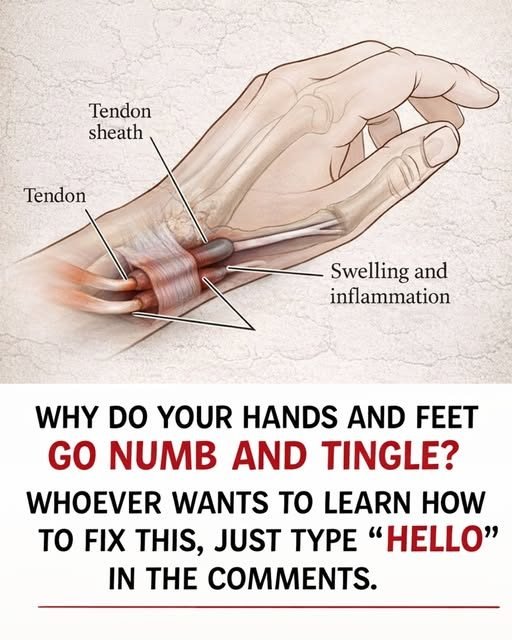
1. Carpal Tunnel Syndrome
-
What it is: Compression of the median nerve in the wrist.
-
Symptoms: Tingling, numbness, or pain in the thumb, index, and middle fingers.
-
Triggers: Repetitive hand movements like typing or using a mouse.
-
Tip: Take regular breaks, stretch your wrists, and maintain proper posture.
2. Poor Circulation
-
Hands may go numb if blood flow is restricted.
-
Causes include sitting or sleeping in awkward positions, cold temperatures, or underlying vascular issues.
-
Tip: Keep hands warm, move regularly, and avoid prolonged pressure.
3. Pinched Nerve in the Neck (Cervical Radiculopathy)
-
Numbness can travel from the neck down into the hands and fingers.
-
Often accompanied by neck pain or stiffness.
-
Tip: Gentle neck stretches, proper ergonomic setup, and medical evaluation can help.
4. Vitamin and Mineral Deficiencies
-
Lack of Vitamin B12 or magnesium can cause tingling and numbness.
-
Common in people with poor diets or certain medical conditions.
-
Tip: Include leafy greens, lean meats, eggs, nuts, and fortified foods, or consult your doctor about supplements.
5. Chronic Conditions
-
Diabetes: High blood sugar can damage nerves (diabetic neuropathy).
-
Multiple sclerosis or other neurological conditions may present with hand numbness.
-
Tip: Persistent numbness or weakness requires prompt medical evaluation.
6. Injury or Trauma
-
Fractures, dislocations, or repetitive strain injuries can compress nerves or blood vessels.
-
Tip: Seek immediate care for injuries and follow rehabilitation protocols.
When to Seek Medical Attention
You should see a doctor immediately if numbness is:
-
Sudden and severe
-
Accompanied by weakness, swelling, or cold hands
-
Associated with chest pain, dizziness, or shortness of breath
-
Progressive or persistent over days or weeks
Early evaluation can prevent permanent nerve damage or serious complications.
Tips to Prevent Hand Numbness
-
Maintain good posture and wrist alignment
-
Take frequent breaks during repetitive tasks
-
Stretch hands, wrists, and neck regularly
-
Keep hands warm and move them to improve circulation
-
Eat a balanced diet rich in vitamins and minerals
-
Stay hydrated — dehydration can worsen circulation issues
FAQ: Understanding Numb Hands
Q: Is occasional numbness dangerous?
A: Occasional tingling from pressure or posture is usually harmless. Persistent or recurrent numbness may indicate a health issue.
Q: Can sleeping positions cause numb hands?
A: Yes — pressure on nerves during sleep can temporarily cut off sensation.
Q: Are hand exercises effective?
A: Yes, stretching and strengthening exercises can improve circulation and reduce nerve compression symptoms.
Q: How do I know if it’s a nerve or circulation issue?
A: Nerve-related numbness often follows a specific pattern (fingers, thumb, or hand), while circulation issues may affect the entire hand or be linked to cold exposure.
Q: Can stress cause hand numbness?
A: Stress can contribute indirectly by causing muscle tension or poor posture, which may compress nerves.
Conclusion: Don’t Ignore Your Body’s Signals
Hand numbness is more than a minor inconvenience — it’s your body’s way of saying something needs attention.
By understanding the potential causes and acting early — whether through lifestyle adjustments, diet, or medical consultation — you can protect your nerves, improve circulation, and maintain hand health.
-
Frequent hand numbness deserves attention, not dismissal.
-
Identify triggers and adopt preventive habits.
-
Seek medical evaluation for persistent, severe, or sudden numbness.
Your hands are your lifeline — listen to what they’re telling you before it becomes serious.