The Psychological Meaning of Leaving Dirty Dishes: What Your Habits Reveal About You
Discover the hidden psychological reasons behind leaving dirty dishes, from stress and procrastination to personality traits, and learn strategies to break the cycle.
Why Dirty Dishes Might Be More Than Just Laziness
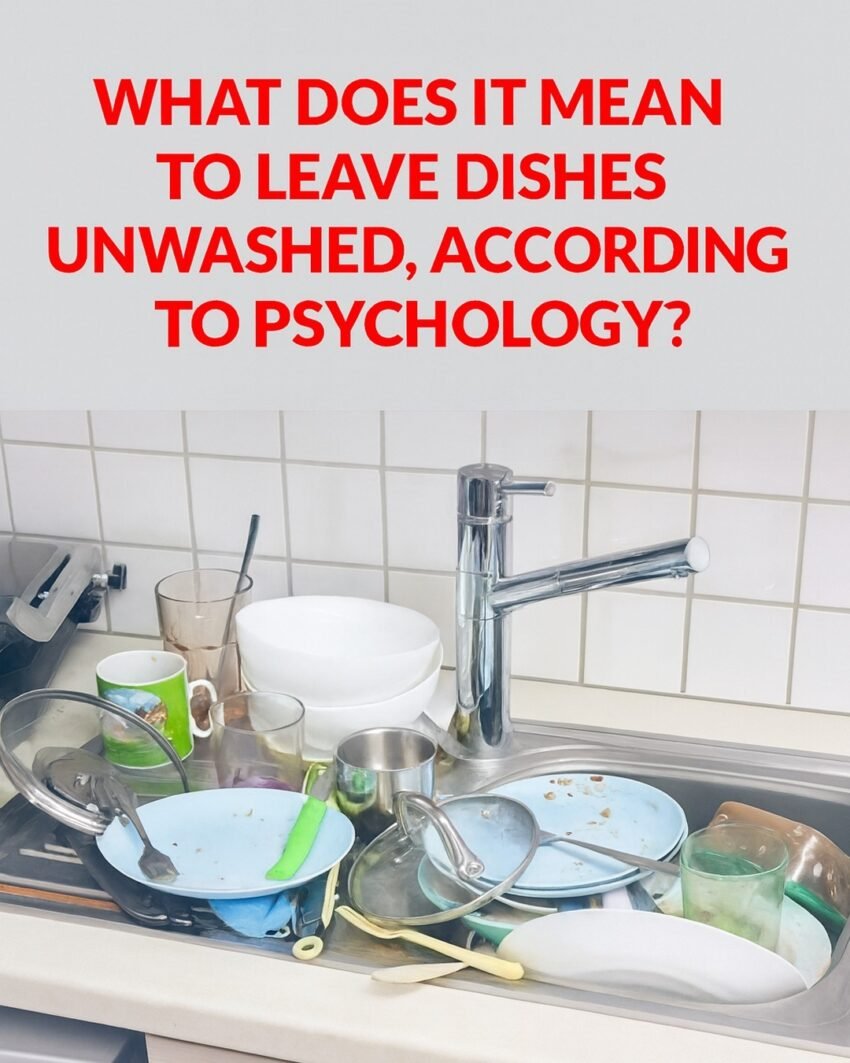
You walk into the kitchen and see a pile of dirty dishes in the sink. Maybe it’s yours. Maybe it’s someone else’s. Most people shrug it off as a simple chore delay, but psychologists suggest that dirty dishes can actually reflect deeper patterns of behavior, stress, and mindset.
From procrastination and emotional fatigue to personality traits and family dynamics, understanding the psychology behind this common habit can help you change it without shame or guilt.
By the end of this article, you’ll learn why people leave dirty dishes, what it says about their mental state, and practical strategies to overcome it.
1. Procrastination: The Habit of Putting Things Off
At its core, leaving dishes undone often signals procrastination.
-
The task seems mundane, repetitive, or unpleasant
-
People delay it in favor of more stimulating activities
-
Over time, it becomes a habitual response
Psychologists note that procrastination is often linked to stress, anxiety, and perfectionism. People may avoid starting a small task if they fear it won’t be done “perfectly.”
2. Mental Fatigue and Overwhelm
Sometimes, leaving dishes is less about laziness and more about mental overload.
-
Long workdays, caregiving, or constant multitasking can deplete energy
-
Small chores feel overwhelming, even if they are objectively simple
-
The kitchen sink becomes a visual symbol of fatigue
Research shows that decision fatigue can make even minor chores feel impossible, leaving dishes undone.
3. Emotional Avoidance
Dirty dishes can also reflect avoidance of emotional discomfort.
-
Some people associate cleaning with childhood expectations or nagging
-
Avoiding dishes can be an unconscious way to resist responsibility or stress
-
It may symbolize repressed emotions, like frustration or resentment
4. Personality Traits and Behavioral Patterns
Certain personality traits are commonly linked to leaving dishes:
-
Low conscientiousness – Less attention to routine tasks
-
High openness – Prefers creative or stimulating activities over chores
-
Introversion – May feel drained by household responsibilities after social or work obligations
Interestingly, leaving dishes isn’t always “bad”—it may simply reflect a preference for prioritizing other areas of life.
5. Household Dynamics and Power Struggles
In shared households, dirty dishes often signal unspoken conflicts or negotiation of roles:
-
Leaving dishes may be a subtle way of asserting independence or protesting unfair workloads
-
In families, it can reflect patterns of communication or resistance to control
-
Couples may leave dishes as a silent expression of frustration
Psychologists emphasize that chores are often emotional as well as practical, revealing interpersonal dynamics.
6. Habit and Lack of Routine
Sometimes there’s no deeper meaning. Dirty dishes may simply be a result of poor habits or absent routines:
-
No designated cleanup time
-
No clear expectations or systems in place
-
Habitual delay reinforced over months or years
Breaking the habit requires intentional structure and consistent reinforcement.
7. Cultural and Environmental Influences
Different environments and cultural norms also shape dishwashing behavior:
-
Some households view leaving dishes for later as socially acceptable
-
Others emphasize immediate cleanup as a moral or social duty
-
Cultural expectations can influence shame, guilt, or normalization of leaving dishes undone
Strategies to Break the Dirty Dish Cycle
1. Set Small, Achievable Goals
-
Start with 5–10 minutes per day of dishwashing
-
Break large stacks into manageable batches
-
Celebrate small wins
2. Create Triggers and Routines
-
Wash dishes immediately after meals
-
Pair washing with enjoyable activities (like music or podcasts)
-
Make it automatic, not optional
3. Reduce Emotional Barriers
-
Avoid self-blame; recognize stress or fatigue
-
Reframe dishwashing as self-care or mindfulness practice
-
Address household conflicts or imbalances openly
4. Make the Environment Supportive
-
Keep sinks clear and organized
-
Use a dishwasher if available
-
Make cleaning supplies visible and accessible
5. Pair Cleaning With Rewards
-
Listen to a favorite audiobook or song while washing
-
Treat yourself after completing chores
-
Use positive reinforcement rather than shame
Pros and Cons of Leaving Dishes for Later
| Pros | Cons |
|---|---|
| Can prioritize higher-energy tasks | Promotes clutter and visual stress |
| Temporary relief from fatigue | Can foster guilt or tension |
| Opportunity to batch tasks efficiently | Risk of bacteria or odor buildup |
| May reflect healthy prioritization | Can signal underlying procrastination |
Common Mistakes People Make
-
Leaving dishes for hours without a system
-
Using guilt or scolding instead of problem-solving
-
Ignoring emotional or mental fatigue factors
-
Assuming dirty dishes always reflect laziness
Expert Insights
-
Psychologists emphasize context matters: leaving dishes occasionally is normal
-
Chronic avoidance may indicate stress, executive function issues, or emotional overload
-
Household cooperation, clear routines, and self-compassion are more effective than judgment
Frequently Asked Questions
Does leaving dishes mean someone is lazy?
Not necessarily. It may reflect fatigue, stress, or prioritization rather than character flaws.
Can dirty dishes cause mental stress?
Yes, visual clutter can increase anxiety and distract from focus.
How can I motivate myself to wash dishes?
Create small routines, use positive reinforcement, or pair chores with enjoyable activities.
Are there psychological benefits to washing dishes immediately?
Yes. Completing a small task can reduce stress, increase satisfaction, and improve executive functioning.
Can family dynamics influence dishwashing habits?
Absolutely. Patterns of communication, power struggles, and expectations all play a role.
Is procrastination the main reason for leaving dishes?
Often, but it is intertwined with fatigue, stress, and emotional avoidance.
Action Checklist: Change Your Dishwashing Habits
✔ Set a fixed time for dishwashing daily
✔ Break large tasks into small batches
✔ Make the environment supportive and organized
✔ Pair chores with music, podcasts, or mindfulness
✔ Address household conflicts openly
✔ Reframe dishwashing as self-care, not punishment
✔ Track progress and celebrate consistency
Conclusion
Leaving dirty dishes isn’t just about mess—it’s a window into our stress, priorities, habits, and emotional state. Understanding why this habit occurs allows you to address the root causes rather than just the symptom.
With self-compassion, structure, and mindfulness, you can transform dishwashing from a source of tension into a manageable, even rewarding part of daily life.
Dirty dishes can reveal stress, fatigue, procrastination, and household dynamics, but they are not a reflection of your worth. By creating routines, supporting mental health, and addressing underlying factors, you can break the cycle and maintain a cleaner, calmer home.
If you’ve struggled with leaving dishes, share your strategies in the comments—you might help someone else discover the psychology behind their habits.