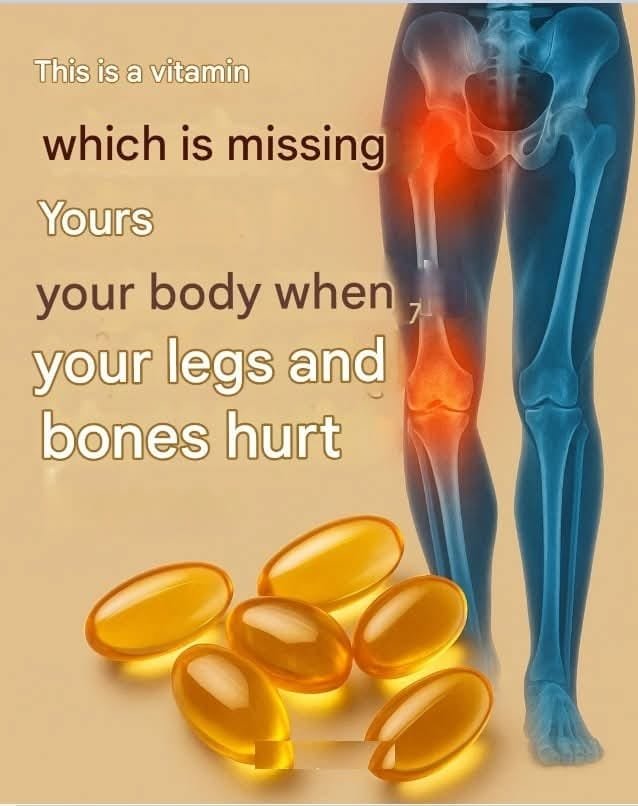
The #1 Vitamin Deficiency That Causes Leg Pain and Bone Aches (And How to Fix It Naturally)
Leg pain and bone aches could signal a common vitamin deficiency. Discover what your body may be missing and simple ways to restore healthy bones.
When Your Legs Ache for No Clear Reason
You wake up in the morning and something feels… off.
Your legs feel heavy. Your knees ache when you stand up. Maybe your lower back feels stiff, or your bones seem unusually sensitive after a normal day of walking.
At first, most people blame aging, poor sleep, or overexertion. But what surprises many Americans is that persistent leg pain and bone discomfort often stem from a simple nutritional deficiency.
It’s not always arthritis.
It’s not always a workout injury.
In a large number of cases, your body may simply be lacking enough Vitamin D.
This often-overlooked nutrient plays a critical role in bone strength, muscle function, inflammation control, and calcium absorption. When levels drop too low, the body begins to signal distress — sometimes through deep bone pain or unexplained muscle aches.
And here’s the surprising part:
Millions of people in the United States are deficient without realizing it.
In this in-depth guide, you’ll learn:
-
Why Vitamin D deficiency causes leg and bone pain
-
How to recognize the early warning signs
-
Who is most at risk in the U.S.
-
Simple ways to restore healthy Vitamin D levels
-
Expert-backed tips most people never hear about
-
Practical steps you can take starting today
If your legs constantly ache or your bones feel weaker than they should, this article may help you finally understand what’s happening inside your body.
Understanding Vitamin D: The “Sunshine Vitamin”
Vitamin D is often called the sunshine vitamin because your body produces it when skin is exposed to sunlight.
But Vitamin D isn’t technically just a vitamin. It acts more like a hormone that regulates several critical systems in the body.
It helps control:
-
Calcium absorption
-
Bone mineralization
-
Muscle contraction
-
Immune response
-
Inflammation levels
Without enough Vitamin D, your body cannot properly absorb calcium, even if you consume calcium-rich foods.
Over time, this can weaken bones and lead to discomfort in areas like:
-
Legs
-
Hips
-
Knees
-
Lower back
-
Rib cage
This is why people with low Vitamin D often describe a deep, dull bone pain rather than surface muscle soreness.
Why Leg and Bone Pain Happens With Low Vitamin D
To understand the connection, it helps to look at how bones maintain their strength.
Healthy bones constantly undergo a process called remodeling. Old bone tissue breaks down while new tissue forms.
Vitamin D helps regulate this balance.
When levels drop too low, several problems can occur:
1. Reduced Calcium Absorption
Without Vitamin D, your body absorbs far less calcium from food.
Even a calcium-rich diet becomes ineffective.
2. Bone Softening
Low Vitamin D can cause bones to become softer and less dense.
In adults, this condition is known as osteomalacia, which can cause:
-
Aching bones
-
Muscle weakness
-
Difficulty walking
-
Fatigue
3. Muscle Weakness Around the Legs
Vitamin D also affects muscle strength and nerve signaling.
Low levels may lead to:
-
Weak thighs
-
Cramping calves
-
Poor balance
-
Increased risk of falls
4. Chronic Inflammation
Research suggests Vitamin D helps regulate inflammatory responses in the body.
Deficiency may increase inflammatory markers, contributing to:
-
Joint discomfort
-
Persistent soreness
-
Slow recovery from physical activity
Why Vitamin D Deficiency Is So Common in the United States
Despite being a developed country with abundant food choices, Vitamin D deficiency is surprisingly widespread in America.
Several modern lifestyle factors contribute to the problem.
Limited Sun Exposure
Many Americans spend most of their time indoors:
-
Office work
-
Remote jobs
-
Screen-heavy lifestyles
Even short outdoor exposure may not be enough for adequate Vitamin D production.
Sunscreen Use
While sunscreen protects against skin cancer, it also blocks UVB rays needed for Vitamin D production.
Geographic Location
People living in northern states receive less direct sunlight during winter months, making natural Vitamin D synthesis more difficult.
Skin Pigmentation
Individuals with darker skin tones require longer sun exposure to produce the same amount of Vitamin D.
Diet Patterns
Few foods naturally contain high amounts of Vitamin D.
Unless someone intentionally consumes fortified foods or supplements, intake may fall short.
Common Signs Your Body May Be Low in Vitamin D
Leg pain alone doesn’t automatically mean Vitamin D deficiency.
However, certain patterns may raise suspicion.
Watch for these symptoms:
-
Persistent aching in legs or bones
-
Lower back discomfort
-
Muscle weakness
-
Fatigue despite adequate sleep
-
Frequent illness
-
Slow recovery after workouts
-
Hair thinning in some cases
-
Mood changes during winter months
Many people describe the pain as deep and hard to pinpoint, rather than sharp or localized.
A Real-Life Scenario Many Americans Experience
Consider a common situation.
A 42-year-old office worker begins noticing frequent leg aches. Initially, they assume it’s from sitting too long at a desk.
They try:
-
Stretching routines
-
New shoes
-
Massage therapy
The pain improves slightly but never disappears.
Eventually, a routine blood test reveals low Vitamin D levels.
After several months of treatment through diet, sunlight exposure, and supplementation, the leg pain gradually fades.
Stories like this are increasingly common in clinical practice.
Foods That Naturally Contain Vitamin D
Although sunlight is the primary source, certain foods can help increase Vitamin D intake.
Here are some of the best dietary sources:
| Food | Approximate Vitamin D Content |
|---|---|
| Salmon | Very high |
| Sardines | High |
| Tuna | Moderate |
| Egg yolks | Small amount |
| Fortified milk | Moderate |
| Fortified cereals | Moderate |
| Mushrooms exposed to UV light | Moderate |
Fatty fish are among the richest natural sources.
However, even a healthy diet may not provide sufficient Vitamin D alone.
Step-by-Step Plan to Improve Vitamin D Levels
If leg pain or bone discomfort might be linked to Vitamin D deficiency, here are practical steps many healthcare professionals recommend.
1. Get a Blood Test
The most reliable way to check Vitamin D status is a 25-hydroxyvitamin D blood test.
Healthcare providers typically consider:
-
20 ng/mL or lower: deficient
-
21–29 ng/mL: insufficient
-
30+ ng/mL: adequate
Always consult a medical professional before making major supplementation changes.
2. Increase Safe Sun Exposure
Spending 10–30 minutes in sunlight several times per week can help boost Vitamin D production.
Factors affecting synthesis include:
-
Skin tone
-
Latitude
-
Time of day
-
Season
Midday sunlight is generally the most effective for Vitamin D production.
3. Improve Your Diet
Focus on Vitamin D–rich foods like:
-
Salmon
-
Fortified dairy products
-
Eggs
-
Tuna
-
Mushrooms
Pair these foods with healthy fats to improve absorption.
4. Consider Supplements if Needed
Vitamin D supplements are commonly used when deficiency is confirmed.
However:
-
Dosage should be guided by a healthcare provider
-
Excess intake can cause health problems
Balanced supplementation is key.
Pros and Cons of Vitamin D Supplementation
| Pros | Cons |
|---|---|
| Helps restore healthy levels | Excess intake can cause toxicity |
| Supports bone strength | Requires medical guidance |
| May improve muscle function | Some supplements vary in quality |
| Convenient and accessible | Not a substitute for sunlight |
For many people, a combination of sunlight, diet, and supplementation works best.
Common Mistakes People Make
Many individuals attempt to fix Vitamin D deficiency but unknowingly slow their progress.
Here are some common pitfalls.
Ignoring Symptoms Too Long
Bone pain that lasts months should never be dismissed as normal aging.
Taking Random Supplement Doses
More isn’t always better. Extremely high doses can lead to calcium imbalance.
Relying Only on Food
Diet alone rarely supplies adequate Vitamin D.
Avoiding Sunlight Completely
Moderate sun exposure remains one of the most effective natural sources.
Expert Tips Most People Don’t Know
Several lesser-known strategies can improve Vitamin D absorption.
Take Vitamin D With Fat
Vitamin D is fat-soluble, meaning it absorbs better when consumed with meals containing healthy fats.
Magnesium Matters
Magnesium plays a role in Vitamin D metabolism. Low magnesium may reduce effectiveness.
Consistency Beats High Doses
Steady daily intake is often more effective than sporadic high doses.
Winter Requires Extra Attention
Vitamin D levels often drop significantly during colder months, especially in northern regions.
Emerging Trends in Bone Health (2025 and Beyond)
Health researchers are paying increasing attention to the broader effects of Vitamin D.
New studies are exploring connections between Vitamin D and:
-
Immune health
-
Muscle recovery
-
Chronic inflammation
-
Aging-related bone loss
Public health experts are also encouraging routine screening in high-risk populations.
Mini Case Example
A middle-aged runner in Colorado began experiencing unexplained shin pain despite reducing training intensity.
X-rays showed no fractures.
Blood tests later revealed moderate Vitamin D deficiency.
After guided supplementation and improved diet, the athlete gradually returned to training without recurring pain.
This example highlights how nutritional deficiencies can mimic sports injuries.
Frequently Asked Questions
Why do my legs hurt even when I haven’t exercised?
Persistent leg pain without activity may be related to muscle weakness, inflammation, or nutritional deficiencies like low Vitamin D.
How long does it take to correct Vitamin D deficiency?
Improvement can take several weeks to a few months, depending on severity and treatment plan.
Can Vitamin D deficiency cause knee pain?
Yes. Weak bones and surrounding muscle weakness may contribute to joint discomfort.
Is sunlight enough to maintain healthy levels?
For some people it is, but factors like geography, skin tone, and lifestyle may reduce production.
Can children experience Vitamin D deficiency?
Yes. Children with limited outdoor activity or poor diet may also develop low levels.
Are supplements safe?
When used appropriately under professional guidance, Vitamin D supplements are generally considered safe.
Does Vitamin D affect muscle cramps?
Low Vitamin D may contribute to muscle weakness and cramping in some individuals.
Should older adults check Vitamin D levels regularly?
Older adults are at higher risk and may benefit from routine screening.
Can low Vitamin D cause fatigue?
Yes, fatigue is a commonly reported symptom of deficiency.
What time of day is best for sunlight exposure?
Midday sunlight typically produces the most Vitamin D.
Action Checklist
If you’re experiencing persistent leg or bone discomfort, consider the following steps:
✔ Schedule a Vitamin D blood test
✔ Increase moderate sun exposure
✔ Add Vitamin D–rich foods to meals
✔ Discuss supplements with a healthcare professional
✔ Monitor symptoms over time
✔ Maintain consistent lifestyle habits
Small changes can make a meaningful difference.
Unexplained leg pain and bone aches are easy to ignore — especially when life gets busy.
But sometimes your body is sending a simple message: it needs more Vitamin D.
This essential nutrient supports bone strength, muscle function, and overall health. When levels drop too low, discomfort may appear in ways that feel confusing or frustrating.
The good news is that Vitamin D deficiency is often easy to identify and correct with the right guidance.
If your legs have been aching or your bones feel unusually sore, it may be worth exploring whether this vital nutrient is missing from your routine.
Listening to your body early can help prevent bigger problems later.
If this guide helped you understand your symptoms better, consider sharing it with someone who might also be experiencing unexplained leg pain.
And if you’ve personally dealt with Vitamin D deficiency, feel free to share your experience — your story could help someone else recognize the signs sooner.