Brittle or Weak Nails? What Your Body Might Be Trying to Tell You
Brittle or weak nails can reveal hidden health issues. Learn the common causes, warning signs, and practical ways to restore strong, healthy nails.
When Your Nails Start Breaking for No Clear Reason
You’re trimming your nails like usual when suddenly one cracks.
A few days later, another splits down the middle. Then another begins peeling in thin layers.
At first, it seems like a minor cosmetic issue. Maybe the weather is dry. Maybe you washed your hands too much.
But when nails repeatedly become brittle, weak, or prone to breaking, it can sometimes signal something deeper going on inside the body.
Nails grow slowly and steadily, reflecting changes in nutrition, stress levels, and overall health. That means the condition of your nails can occasionally provide early clues about imbalances that may otherwise go unnoticed.
In this guide, we’ll explore:
-
Why nails become brittle or weak
-
The most common underlying causes
-
Nutritional and lifestyle factors that affect nail strength
-
Simple steps you can take to restore healthy nails
-
Warning signs that may require medical attention
Understanding what your nails are telling you can help you take better care of both your appearance and your health.
What Healthy Nails Should Look Like
Before identifying problems, it helps to understand what normal, healthy nails typically look like.
Strong nails usually have these characteristics:
-
Smooth surface with minimal ridges
-
Consistent color (light pink nail bed)
-
Firm structure that resists bending
-
Minimal peeling or splitting
-
Steady growth over time
On average, fingernails grow about 3 millimeters per month, according to dermatology research frequently cited by institutions like the American Academy of Dermatology.
Because they grow slowly, changes in nail health may reflect conditions that developed weeks or even months earlier.
Common Signs of Brittle or Weak Nails
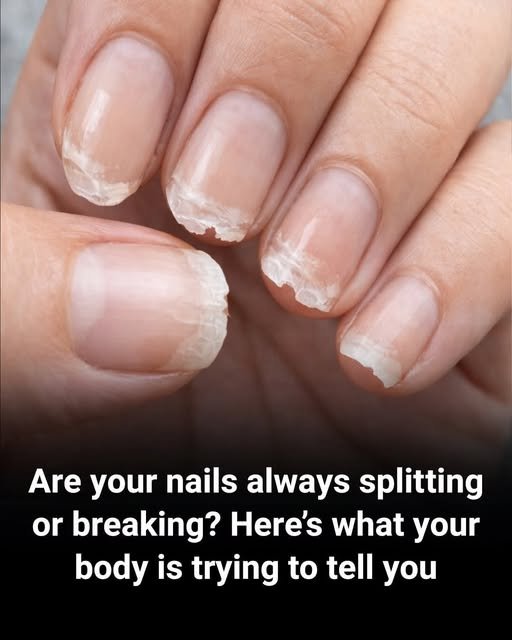
Brittle nails don’t always look the same. They can appear in several ways:
-
Nails that split at the tips
-
Peeling layers of the nail plate
-
Frequent cracking or breaking
-
Nails that feel soft and bend easily
-
Rough surface texture
These changes can be temporary or persistent depending on the underlying cause.
The Most Common Causes of Weak or Brittle Nails
In many cases, brittle nails are caused by everyday habits rather than serious health conditions.
1. Frequent Exposure to Water
Repeated cycles of wetting and drying can weaken nails.
People who often:
-
Wash dishes
-
Clean frequently
-
Swim regularly
-
Work in healthcare or food service
may experience dehydrated nail plates, which leads to cracking or peeling.
2. Harsh Nail Products
Certain beauty products can strip natural oils from nails.
Common culprits include:
-
Acetone-based nail polish removers
-
Long-term use of acrylic nails
-
Gel manicures without proper breaks
-
Nail hardeners containing strong chemicals
Over time, these products may weaken nail structure.
3. Nutritional Deficiencies
Nails require several nutrients to grow properly.
Deficiencies may contribute to brittle nails, including:
-
Iron
-
Biotin (vitamin B7)
-
Zinc
-
Protein
-
Vitamin B12
Low iron levels in particular are sometimes associated with thin or spoon-shaped nails, a condition known as koilonychia.
4. Aging
As people get older, nail growth slows.
Natural oil production in nails decreases, which can cause:
-
Dryness
-
Increased fragility
-
Slower recovery from damage
This is a normal part of aging and not necessarily a sign of illness.
5. Weather and Environmental Conditions
Dry air can affect nails the same way it affects skin.
Cold winter climates often cause:
-
Dry cuticles
-
Brittle nail plates
-
Increased splitting
Using hand creams regularly can help protect against seasonal damage.
Health Conditions That May Affect Nail Strength
While lifestyle factors are the most common cause, persistent brittle nails can occasionally be linked to health conditions.
These may include:
Thyroid Disorders
Both overactive and underactive thyroid function can affect nail growth and strength.
Iron Deficiency
Iron plays a key role in delivering oxygen to tissues, including nails.
Low iron levels may cause:
-
Thin nails
-
Nail ridges
-
Increased breakage
Skin Conditions
Conditions such as psoriasis or eczema can also affect the nails, causing:
-
Thickening
-
Pitting
-
Crumbling edges
If nail changes appear suddenly or worsen over time, it’s best to consult a healthcare professional.
Real-Life Scenario: When Nails Reveal a Hidden Issue
A woman in her mid-30s began noticing that her nails were peeling and breaking frequently.
She initially assumed it was due to gel manicures.
After several months with no improvement, she mentioned it during a routine checkup. Blood tests revealed low iron levels, which were corrected with dietary changes and supplementation recommended by her doctor.
Within a few months, her nails gradually returned to normal strength.
This example shows how nails can sometimes reflect internal changes before other symptoms appear.
How to Strengthen Weak Nails Naturally
If brittle nails are caused by environmental or lifestyle factors, several simple habits can help restore strength.
1. Keep Nails Moisturized
Just like skin, nails benefit from hydration.
Look for creams containing:
-
Shea butter
-
Glycerin
-
Natural oils
Apply after washing hands.
2. Limit Harsh Nail Treatments
Give nails occasional breaks from:
-
Acrylic nails
-
Gel polish
-
Frequent polish removal
This allows the nail plate to recover.
3. Improve Your Diet
Healthy nails rely on balanced nutrition.
Focus on foods rich in:
-
Protein (eggs, beans, poultry)
-
Iron (spinach, lentils, red meat)
-
Zinc (pumpkin seeds, seafood)
-
Biotin (nuts, bananas, whole grains)
A varied diet often provides what nails need to grow strong.
4. Wear Gloves During Cleaning
Household chemicals and prolonged water exposure can weaken nails.
Protect them by wearing gloves while:
-
Washing dishes
-
Cleaning with chemicals
-
Gardening
5. Trim and File Properly
Use gentle techniques when grooming nails.
Tips include:
-
File in one direction instead of back and forth
-
Avoid cutting nails too short
-
Keep edges smooth to prevent snags
Pros and Cons of Nail Supplements
Many supplements claim to strengthen nails.
Here’s a balanced view.
| Supplement | Potential Benefit | Consideration |
|---|---|---|
| Biotin | May support nail thickness in some people | Results vary |
| Collagen | Supports overall skin and nail structure | More research needed |
| Multivitamins | Help address nutritional gaps | Not necessary with balanced diet |
Always consult a healthcare professional before starting supplements.
Common Mistakes That Make Nails Worse
Many people unknowingly damage their nails with everyday habits.
Avoid these mistakes:
-
Using nails as tools to open packages
-
Peeling off nail polish
-
Overusing acetone removers
-
Biting or picking at nails
-
Skipping moisturizing routines
Even small habits can make a big difference over time.
Expert Tips Most People Don’t Know
Dermatologists often recommend a few lesser-known strategies for improving nail health.
Keep Nails Slightly Shorter
Short nails are less likely to bend and break.
Apply Cuticle Oil Regularly
Healthy cuticles support nail growth.
Avoid Metal Tools on the Nail Surface
Aggressive scraping can thin the nail plate.
Stay Hydrated
Water supports healthy skin, hair, and nails.
Nail Health Trends in 2026
The beauty and wellness industries are increasingly focusing on “nail health first” approaches.
New trends include:
-
Nail-care routines that emphasize hydration
-
Breathable nail polishes designed to allow moisture exchange
-
Dermatologist-backed nail treatments instead of cosmetic fixes
Consumers are becoming more aware that healthy nails start from within.
Quick Nail Health Checklist
If your nails have become weak or brittle, try this checklist:
✔ Moisturize nails and cuticles daily
✔ Reduce exposure to harsh chemicals
✔ Improve dietary intake of iron and protein
✔ Take breaks from artificial nail products
✔ Wear gloves during cleaning
✔ File nails gently and regularly
Small adjustments can gradually restore stronger nails.
Frequently Asked Questions
Why do my nails suddenly feel weaker?
Sudden nail weakness can result from environmental changes, frequent water exposure, or dietary shifts.
Can dehydration affect nail strength?
Yes. Nails can become dry and brittle when the body or surrounding environment lacks moisture.
How long does it take to improve nail health?
Because nails grow slowly, visible improvements often take two to four months.
Are brittle nails always a health problem?
Not necessarily. Many cases are caused by environmental factors or cosmetic treatments.
Can nail polish damage nails?
Occasional use is generally fine, but frequent use of strong removers can dry out nails.
Does biotin help brittle nails?
Some research suggests biotin may improve nail thickness, but results vary between individuals.
When should I see a doctor?
Seek medical advice if nail changes appear suddenly, worsen quickly, or are accompanied by other symptoms like fatigue or hair loss.
Do genetics influence nail strength?
Yes. Some people naturally have stronger or more fragile nails due to genetics.
Brittle or weak nails are often dismissed as a minor cosmetic issue.
But nails can sometimes provide subtle clues about hydration, nutrition, daily habits, and overall health.
In many cases, simple changes — better nail care, improved nutrition, and protection from harsh chemicals — can restore strength over time.
Paying attention to small changes in your nails may help you catch potential issues early and maintain healthier habits moving forward.
Final Thought
Your nails are one of the few parts of your body that quietly reflect what’s happening beneath the surface.
If you’ve been dealing with brittle nails, take it as an opportunity to reassess your routines — from diet to daily care.
And if you’ve discovered a tip or remedy that worked for you, share it with others. Sometimes the most useful health insights come from everyday experiences.