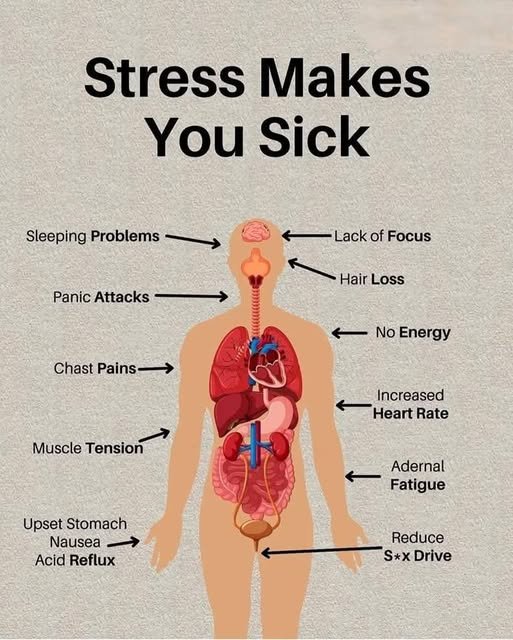
How Stress Affects Your Health & Practical Ways to Manage It
Learn how stress impacts your physical and mental health and discover practical, science-backed ways to manage stress for a healthier, balanced life.
Understanding Stress: Why It Matters More Than You Think
Stress is something almost everyone experiences. Whether it’s work pressure, financial concerns, family responsibilities, or unexpected life changes, stress can quickly become part of daily life.
In small doses, stress can actually be helpful. It can motivate you to meet deadlines, solve problems, or respond to challenges quickly. However, chronic stress—stress that lasts for weeks or months—can quietly damage both your physical and mental health.
Many people underestimate the long-term effects of stress. According to health research from institutions like the American Psychological Association, prolonged stress has been linked to a wide range of health problems, including heart disease, weakened immunity, digestive issues, and anxiety disorders.
Understanding how stress affects your body and learning how to manage it effectively can significantly improve your overall quality of life.
In this guide, you’ll discover:
-
How stress affects different parts of your body
-
Warning signs that stress is harming your health
-
Practical, science-backed strategies to manage stress
-
Everyday habits that help build emotional resilience
-
Common mistakes people make when trying to reduce stress
What Exactly Is Stress?
Stress is your body’s natural reaction to challenges or threats. When you perceive danger—whether real or imagined—your brain activates the “fight-or-flight” response.
This response releases stress hormones such as:
-
Cortisol
-
Adrenaline
These hormones trigger several physical reactions:
-
Increased heart rate
-
Faster breathing
-
Heightened alertness
-
Boosted energy levels
While this response is useful in emergencies, constant activation of this system can strain your body over time.
How Stress Affects Your Physical Health
Stress doesn’t only affect your mood. It can influence nearly every system in your body.
1. Heart and Cardiovascular System
Chronic stress can raise blood pressure and increase the risk of cardiovascular issues.
Possible effects include:
-
High blood pressure
-
Increased heart rate
-
Higher risk of heart disease
-
Greater likelihood of stroke
Long-term stress can also encourage unhealthy behaviors like overeating, smoking, or lack of exercise, which further increase heart-related risks.
2. Immune System
Stress weakens your immune system, making it harder for your body to fight infections.
People under constant stress may experience:
-
Frequent colds or flu
-
Slow healing from illness or injuries
-
Increased inflammation in the body
When stress hormones remain elevated, the body becomes less effective at protecting itself.
3. Digestive Problems
Your digestive system is very sensitive to stress.
Common stress-related digestive issues include:
-
Stomach pain
-
Acid reflux
-
Irritable bowel symptoms
-
Loss of appetite or overeating
Stress can also disrupt gut bacteria, which play a crucial role in digestion and immune health.
4. Sleep Disruption
Stress often interferes with sleep patterns.
You may experience:
-
Difficulty falling asleep
-
Frequent waking during the night
-
Feeling tired even after sleep
Lack of sleep can then worsen stress, creating a cycle that becomes difficult to break.
5. Hormonal Imbalance
Chronic stress keeps cortisol levels elevated, which may lead to:
-
Weight gain (especially around the abdomen)
-
Fatigue
-
Hormonal imbalance
-
Reduced energy levels
Over time, hormonal disruption can affect metabolism and overall health.
How Stress Impacts Mental and Emotional Health
Stress doesn’t just affect the body—it also strongly influences emotional well-being.
Anxiety and Worry
Constant stress can lead to persistent worrying or feelings of unease.
Depression
Long-term stress may increase the risk of depression, particularly when combined with lack of support or ongoing life difficulties.
Irritability and Mood Swings
People under stress often experience:
-
short temper
-
frustration
-
emotional exhaustion
These emotional changes can affect relationships and work performance.
Common Signs Your Stress Levels Are Too High
Many people don’t realize how stressed they are until symptoms appear.
Watch for these warning signs:
Physical symptoms
-
Frequent headaches
-
Muscle tension
-
Fatigue
-
Digestive problems
Emotional symptoms
-
Feeling overwhelmed
-
Loss of motivation
-
Irritability
-
Anxiety
Behavioral symptoms
-
Changes in appetite
-
Trouble concentrating
-
Withdrawing from social activities
-
Increased use of alcohol or unhealthy coping habits
Recognizing these signs early is the first step toward managing stress.
Practical Ways to Manage Stress Effectively
Managing stress doesn’t require dramatic life changes. Small daily habits can make a significant difference.
1. Regular Physical Activity
Exercise is one of the most effective stress reducers.
Benefits include:
-
releasing endorphins (natural mood boosters)
-
reducing tension
-
improving sleep quality
Even 30 minutes of walking daily can help reduce stress levels.
2. Practice Mindfulness or Meditation
Mindfulness helps calm the nervous system by focusing attention on the present moment.
Popular techniques include:
-
deep breathing exercises
-
guided meditation
-
body scan relaxation
Research shows mindfulness practices can significantly reduce stress and improve emotional regulation.
3. Improve Sleep Habits
Good sleep is essential for stress recovery.
Try these habits:
-
Maintain a consistent sleep schedule
-
Avoid screens before bedtime
-
Keep your bedroom dark and quiet
-
Limit caffeine late in the day
Quality sleep allows your body to repair and regulate stress hormones.
4. Build Strong Social Connections
Talking with supportive friends or family members can dramatically reduce stress.
Healthy relationships provide:
-
emotional support
-
encouragement
-
a sense of belonging
Even short conversations with trusted people can improve mood.
5. Manage Time and Priorities
Many people feel stressed because they try to handle too many tasks at once.
Helpful strategies include:
-
creating daily priority lists
-
breaking large tasks into smaller steps
-
setting realistic expectations
Better time management often reduces unnecessary pressure.
6. Reduce Information Overload
Constant exposure to news, emails, and social media can increase stress levels.
Try limiting:
-
excessive news consumption
-
late-night phone usage
-
constant notifications
Creating digital boundaries can help protect mental health.
7. Practice Relaxation Techniques
Relaxation activities calm your nervous system.
Effective options include:
-
deep breathing exercises
-
yoga
-
stretching
-
listening to calming music
Even a few minutes of relaxation daily can reduce tension.
Pros and Cons of Stress (Yes, It Has Both)
| Type of Stress | Potential Benefits | Risks |
|---|---|---|
| Short-term stress | Motivation, improved focus, quick response to challenges | Temporary discomfort |
| Chronic stress | None long-term | Serious physical and mental health issues |
Short bursts of stress can be helpful. But prolonged stress is harmful if not managed properly.
Common Mistakes People Make When Dealing With Stress
Ignoring the problem
Many people try to push through stress instead of addressing it.
Using unhealthy coping mechanisms
Examples include:
-
excessive alcohol consumption
-
overeating
-
social withdrawal
Overworking without rest
Continuous work without breaks leads to burnout.
Avoiding emotional support
Trying to handle everything alone can increase stress levels.
Recognizing these mistakes can help you develop healthier coping strategies.
Expert Tips Most People Overlook
Schedule relaxation just like work tasks
Treat relaxation time as a non-negotiable part of your day.
Spend time outdoors
Nature exposure has been shown to reduce cortisol levels and improve mood.
Practice gratitude
Focusing on positive aspects of life can help shift mental perspective.
Limit multitasking
Doing too many things at once increases mental strain and reduces productivity.
A Real-Life Example of Stress Management
Consider someone working a demanding job with long hours.
Initially, they begin experiencing:
-
sleep problems
-
headaches
-
irritability
Instead of ignoring the symptoms, they make several changes:
-
walking 30 minutes daily
-
setting a consistent bedtime
-
reducing evening screen time
-
talking regularly with supportive friends
Within a few weeks, they notice improved sleep, better mood, and increased energy.
This demonstrates how small lifestyle adjustments can significantly reduce stress.
The Future of Stress Management (2026 and Beyond)
Modern lifestyles continue to evolve, and stress management is becoming an increasingly important health focus.
Emerging trends include:
-
digital mental wellness apps
-
workplace wellness programs
-
mindfulness training in schools and offices
-
growing awareness of mental health
As society becomes more aware of stress-related health risks, more tools and resources are becoming available to help people manage it effectively.
Frequently Asked Questions
What is the most common cause of stress?
Work pressure, financial concerns, relationship problems, and major life changes are among the most common sources.
Can stress really cause physical illness?
Yes. Long-term stress can increase the risk of heart disease, digestive problems, weakened immunity, and sleep disorders.
How quickly can stress affect the body?
Stress responses occur almost immediately through hormone release. However, long-term health effects usually develop over time.
Is all stress harmful?
No. Short-term stress can improve focus and performance. The problem arises when stress becomes chronic.
What are the fastest ways to reduce stress?
Quick stress relievers include deep breathing, short walks, stretching, or talking with a trusted person.
Does exercise really reduce stress?
Yes. Physical activity releases endorphins that naturally improve mood and reduce tension.
Can diet affect stress levels?
Yes. Balanced nutrition supports brain function and helps regulate energy and mood.
How does sleep affect stress?
Poor sleep increases stress hormone levels and reduces the body’s ability to cope with challenges.
Should I seek professional help for stress?
If stress begins interfering with daily life, work, or relationships, speaking with a qualified mental health professional can be helpful.
Quick Action Checklist to Reduce Stress
Use this checklist to begin managing stress today:
-
Take at least one short walk daily
-
Practice deep breathing for 5 minutes
-
Maintain a regular sleep schedule
-
Limit excessive news or social media
-
Stay connected with supportive people
-
Break large tasks into smaller steps
-
Schedule regular relaxation time
Small changes practiced consistently can produce meaningful improvements.
Stress is a natural part of life, but chronic stress can quietly damage both your physical and mental health.
The good news is that effective stress management doesn’t require complicated solutions. Simple habits—such as regular exercise, quality sleep, mindfulness, and strong social connections—can significantly improve resilience and well-being.
The key is recognizing stress early and taking proactive steps to manage it.
Your health, relationships, and overall happiness depend on how well you care for your mind and body.
Join the Conversation
How do you personally deal with stress?
Share your favorite stress-management strategies in the comments. Your experience could help others discover practical ways to live a healthier, more balanced life.