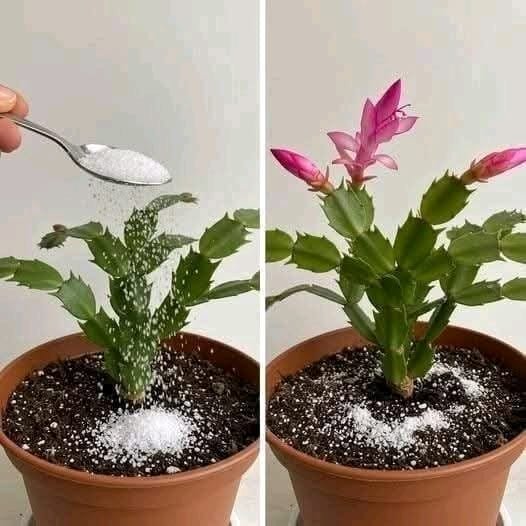
Fall Awakening: The Little Secret That Brings Your Houseplants Back to Life
As fall arrives, indoor plants often slow down or struggle. Discover the simple secret that helps revive houseplants and keep them thriving all season.
When Fall Arrives, Many Houseplants Start to Struggle
Every fall, something subtle happens inside homes across the United States.
Plants that were thriving all summer suddenly begin to look tired. Leaves fade. Growth slows. Some plants even start dropping leaves altogether.
If you’ve noticed your houseplants looking less lively as autumn approaches, you’re not alone.
Seasonal changes can quietly affect indoor plants more than many people realize. Shorter daylight hours, cooler temperatures, and drier indoor air all influence plant health.
But experienced plant lovers know a small secret:
A few simple seasonal adjustments can bring houseplants back to life.
With the right care, fall doesn’t have to mean decline. In fact, it can become the perfect time to restore strength, encourage healthy roots, and prepare plants for winter.
In this guide, you’ll learn:
-
Why houseplants change during fall
-
The simple “secret” many plant experts use
-
How to revive tired indoor plants
-
Common mistakes people make during autumn
-
Practical care tips that keep plants thriving all season
Why Houseplants Behave Differently in Fall
Even indoors, plants still respond to seasonal cues.
The biggest change is light.
During fall in the United States, daylight hours decrease significantly. Plants rely on light for photosynthesis, the process that produces energy for growth.
When light decreases:
-
Growth slows
-
Water usage drops
-
Nutrient demand changes
-
Some plants enter a semi-dormant state
Indoor heating systems also begin running more often, which reduces humidity and dries the air.
For many tropical houseplants, this sudden environmental shift can cause stress.
The Little Secret: Resetting Your Plant’s Care Routine
The “secret” many experienced plant owners use each fall is surprisingly simple:
Adjust your care routine before your plants show signs of stress.
Instead of reacting to problems, proactive plant care can prevent them.
The key adjustments include:
-
Modifying watering habits
-
Improving light exposure
-
Refreshing soil or nutrients
-
Increasing humidity
-
Cleaning and inspecting plants
Together, these small changes help plants adapt smoothly to the new season.
Step-by-Step: Reviving Houseplants for Fall
1. Adjust Your Watering Schedule
One of the biggest mistakes people make in fall is watering plants too often.
Because plants grow slower during cooler months, they need less water.
Signs of overwatering include:
-
Yellow leaves
-
Soft stems
-
Mold on soil surface
Instead, check soil moisture before watering.
A simple rule:
Water only when the top inch of soil feels dry.
2. Move Plants Closer to Natural Light
Shorter days mean less available sunlight.
Relocating plants closer to windows can dramatically improve their energy levels.
Helpful tips:
-
Place plants near south- or east-facing windows
-
Rotate plants weekly for even growth
-
Clean dusty windows to increase light exposure
Even a small increase in sunlight can help plants maintain healthier growth.
3. Clean the Leaves
Dust buildup is often overlooked, but it blocks sunlight and reduces photosynthesis.
Gently wiping leaves with a damp cloth helps plants absorb more light.
Benefits include:
-
Improved photosynthesis
-
Better plant appearance
-
Reduced pest risk
Large-leaf plants benefit especially from regular leaf cleaning.
4. Increase Indoor Humidity
Many houseplants originate from tropical environments where humidity levels are much higher than typical indoor homes.
Fall heating systems often drop indoor humidity dramatically.
Simple solutions include:
-
Using a humidifier
-
Grouping plants together
-
Placing a tray of water and pebbles beneath pots
These methods can help mimic a more natural environment.
5. Light Fertilization (If Needed)
Most houseplants require less fertilizer during fall, but some may still benefit from light feeding.
Use a diluted fertilizer solution once a month if the plant is actively growing.
Avoid heavy fertilization, which can stress plants during slower growth periods.
Real-Life Example: A Common Fall Plant Rescue
Imagine someone who keeps several houseplants near a living room window.
During summer, the plants grow quickly and require frequent watering.
When fall arrives, the owner continues watering the same way.
Within weeks, the plants begin showing symptoms:
-
yellow leaves
-
drooping stems
-
slower growth
After adjusting the routine—watering less frequently, moving plants closer to sunlight, and increasing humidity—the plants gradually recover.
This simple seasonal shift can make a huge difference.
Pros and Cons of Fall Plant Care Changes
| Adjustment | Benefits | Possible Drawbacks |
|---|---|---|
| Reduced watering | Prevents root rot | Risk of underwatering if ignored |
| Increased light exposure | Supports photosynthesis | Too much direct sun may scorch sensitive plants |
| Added humidity | Prevents leaf drying | Requires maintenance |
| Light fertilization | Supports healthy roots | Overfeeding can damage plants |
Balanced care is the key to healthy plants.
Common Fall Houseplant Mistakes
Watering Too Frequently
Many people keep summer watering habits, which leads to root rot.
Ignoring Light Changes
Plants that once thrived may struggle if light levels drop too low.
Overfertilizing
Plants require fewer nutrients when growth slows.
Forgetting Pest Checks
Some pests thrive indoors during cooler months.
Inspect leaves and stems regularly.
Expert Tips Most Plant Owners Don’t Know
Rotate Plants Every Week
Plants grow toward light. Rotating them prevents uneven growth.
Trim Dead Leaves
Removing damaged leaves helps plants redirect energy toward healthy growth.
Repot Only When Necessary
Fall isn’t always ideal for repotting unless the plant is severely root-bound.
Use Grow Lights If Needed
In darker homes, supplemental lighting can maintain plant health during winter months.
Popular Houseplants That Benefit from Fall Care Adjustments
Certain indoor plants commonly react to seasonal changes.
These include:
-
Snake plants
-
Pothos
-
Peace lilies
-
Monstera
-
Spider plants
Each of these plants responds well to reduced watering and improved lighting during fall.
Fall Houseplant Care Checklist
Use this quick checklist to keep indoor plants healthy:
-
Check soil before watering
-
Move plants closer to natural light
-
Clean leaves regularly
-
Increase humidity levels
-
Reduce fertilizer use
-
Inspect for pests
-
Rotate plants weekly
Following this routine helps plants transition smoothly into cooler months.
Looking Ahead: Preparing Plants for Winter
Fall is also the perfect time to prepare plants for winter.
Good preparation includes:
-
stabilizing watering routines
-
maintaining proper humidity
-
maximizing available light
These steps help plants stay strong until spring growth returns.
Frequently Asked Questions
Why do houseplants lose leaves in fall?
Reduced sunlight and environmental changes can trigger leaf drop as plants adjust to seasonal conditions.
Should I water plants less during fall?
Yes. Because growth slows, most plants require less frequent watering.
Is fall a good time to repot plants?
Usually spring is better, unless the plant is root-bound or struggling.
Do indoor plants need fertilizer in fall?
Most require little to none, though light feeding may help actively growing plants.
How can I increase humidity for plants?
Using humidifiers, pebble trays, or grouping plants together can raise humidity levels.
Should I move plants closer to windows?
Yes, especially during shorter fall days.
Are grow lights helpful in fall?
They can help if natural light is limited.
Why do leaves turn yellow in autumn?
Yellow leaves often result from overwatering or reduced sunlight.
Should I prune plants during fall?
Light pruning is fine, but major pruning is usually better in spring.
Fall doesn’t have to mean struggling houseplants.
By making a few simple adjustments—watering less, improving light exposure, increasing humidity, and maintaining clean leaves—you can help indoor plants adapt to seasonal changes and stay healthy.
The real secret isn’t complicated.
It’s simply understanding what plants need as the seasons shift and responding before problems begin.
Join the Conversation
Have you noticed changes in your houseplants during fall?
Share your favorite plant care tips or questions in the comments. Plant lovers always have something new to learn—and your experience might help someone else keep their plants thriving. 🌿