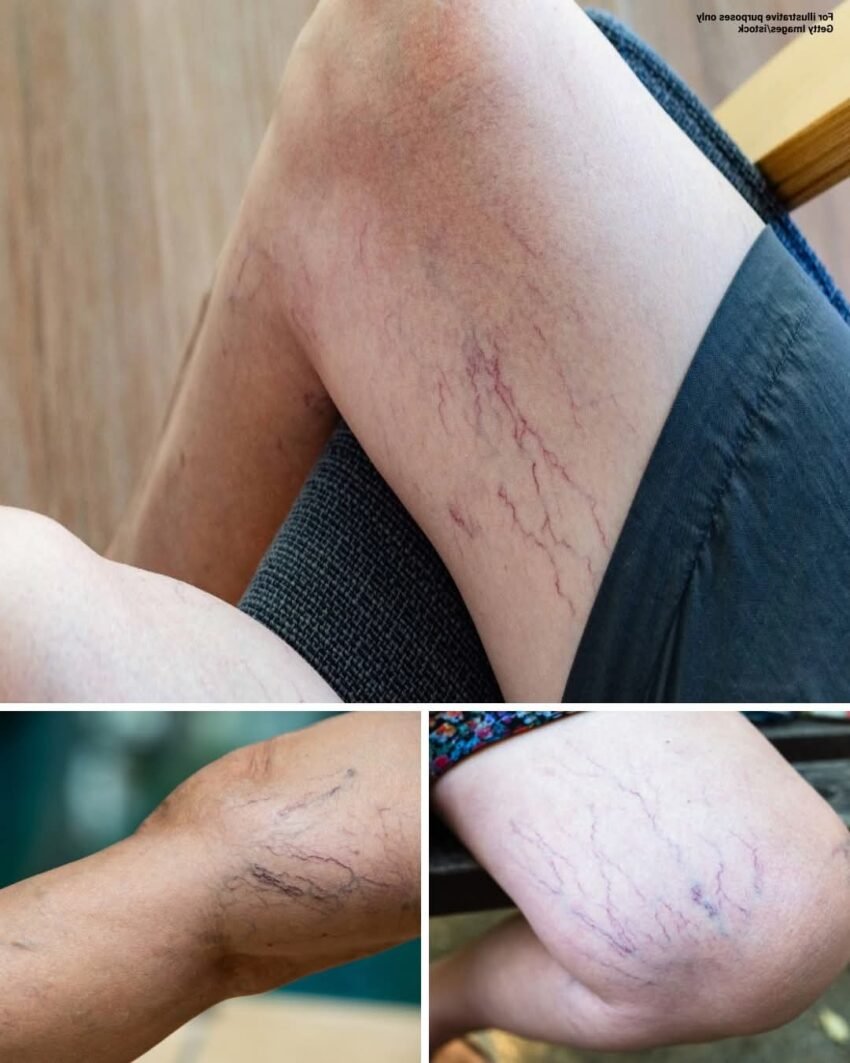
If You Have Purple Veins on Your Legs, It Means You Are…
Purple veins on your legs may signal more than just appearance—they could indicate circulation issues. Learn what it might mean and how to support leg health naturally.
Why Purple Veins on Legs Catch Attention
Have you ever noticed purple, bluish, or dark veins appearing on your legs and wondered what they mean?
Many people dismiss them as cosmetic, but in reality, vein color and visibility can provide clues about your circulation and overall vascular health.
Before panic sets in, it’s important to understand the common reasons behind these visible veins.
What Purple Veins Might Indicate
1. Varicose or Spider Veins
-
Appearance: Twisted, bulging, dark purple or blue veins
-
Cause: Weak or damaged vein walls and valves leading to poor blood flow
-
Symptoms: Heaviness, aching, or swelling in the legs
Spider veins are smaller and closer to the surface, while varicose veins are larger and more pronounced.
2. Circulation Issues
Poor blood flow can make veins more visible and prone to discoloration.
-
Sedentary lifestyle
-
Prolonged standing or sitting
-
Obesity
-
Age-related vein weakening
This doesn’t always indicate serious disease but signals your legs may need more circulation support.
3. Genetic Predisposition
Vein visibility and color are strongly influenced by family history.
-
If parents or grandparents had varicose veins, you’re more likely to notice them too
-
Genetics can affect vein elasticity and valve function
4. Hormonal Influence
Hormonal changes, especially in women, can make veins more prominent:
-
Pregnancy
-
Birth control pills
-
Menopause
Hormones like estrogen can relax vein walls, making them more visible.
5. Thin or Fair Skin
If you have lighter or thinner skin, veins appear more purple or blue due to the way light reflects off the skin and blood vessels.
This is mostly cosmetic and doesn’t always indicate health issues.
When Purple Veins Require Medical Attention
You should seek evaluation if purple veins are accompanied by:
-
Pain or swelling
-
Skin changes (redness, warmth, or ulcers)
-
Sudden onset of new or worsening veins
-
Fatigue or heaviness that impacts daily life
These could indicate chronic venous insufficiency or more serious vascular conditions.
Simple Steps to Support Healthy Veins
Even if your veins are mostly cosmetic, lifestyle changes can improve circulation and prevent worsening:
-
Exercise Regularly
-
Walking, cycling, or swimming improves blood flow
-
-
Elevate Your Legs
-
10–15 minutes a few times a day reduces pressure
-
-
Compression Stockings
-
Support veins and reduce discomfort
-
-
Maintain Healthy Weight
-
Reduces pressure on veins
-
-
Limit Prolonged Sitting or Standing
-
Take short walking breaks every hour
-
Natural Remedies and Supportive Practices
-
Horse Chestnut Extract: Traditionally used for vein health
-
Flavonoid-Rich Foods: Citrus, berries, and leafy greens improve circulation
-
Massage and Stretching: Stimulates blood flow in the legs
Note: Supplements and remedies should be used alongside medical guidance.
Purple veins on your legs can mean several things—from cosmetic concerns to circulation issues—but they often signal your veins could use some care.
Pay attention to symptoms, maintain healthy circulation habits, and consult a doctor if you notice pain, swelling, or rapid changes.
Even if your veins are mostly cosmetic, supporting leg health now can prevent discomfort or complications in the future.