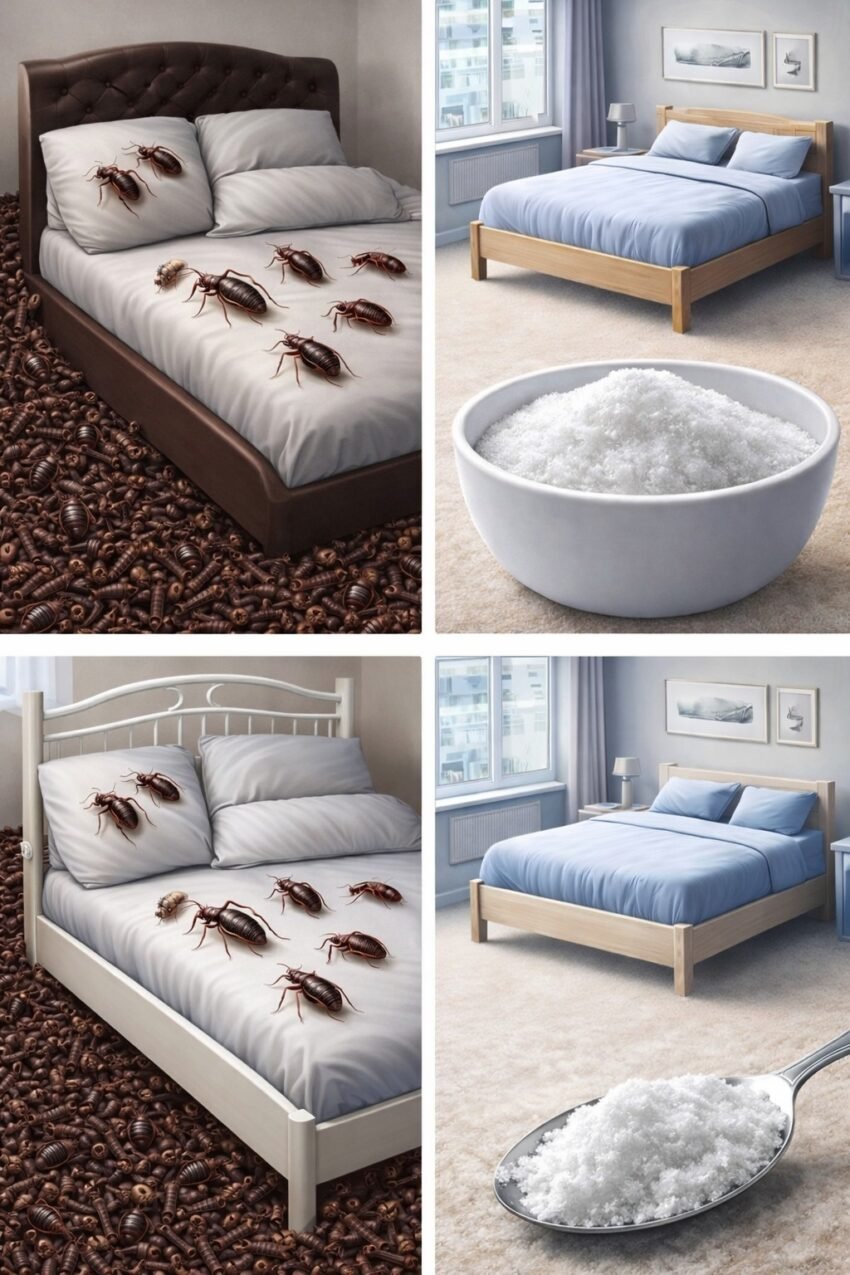
How to Naturally Eliminate Dust Mites and Bedbugs from Your Mattress: A Complete Guide
Learn safe, natural ways to remove dust mites and bedbugs from your mattress. Effective tips for a cleaner, healthier sleep environment without harsh chemicals.
Why Your Mattress Might Be Hiding More Than Sleep
We spend roughly one-third of our lives in bed, yet most of us never think about what’s living inside our mattresses.
Two of the most common offenders affecting sleep and health are:
-
Dust mites – microscopic creatures that feed on dead skin cells.
-
Bedbugs – small, reddish-brown insects that bite and feed on blood at night.
Both can trigger allergies, skin irritation, and disrupted sleep, making it essential to tackle them naturally before they get out of control.
Understanding the Culprits
Dust Mites
-
Invisible to the naked eye
-
Thrive in warm, humid environments
-
Feed on human skin flakes
-
Can exacerbate allergies and asthma
Bedbugs
-
Visible to the naked eye (about the size of an apple seed)
-
Hide in seams, folds, and crevices of the mattress
-
Feed on human blood, usually at night
-
Cause itchy bites, skin irritation, and anxiety
Knowing the differences helps target them effectively.
1. Wash Bedding Regularly in Hot Water
One of the simplest natural strategies: wash sheets, pillowcases, and mattress covers weekly.
-
Temperature: Use at least 130°F (55°C) to kill dust mites and bedbugs.
-
Drying: Use a hot dryer cycle—high heat is key for elimination.
This routine removes skin flakes, sweat, and potential hiding insects before they multiply.
2. Vacuum Your Mattress Thoroughly
A high-powered vacuum can remove:
-
Dust mites
-
Bedbug eggs
-
Dead skin cells and debris
Tips for effective vacuuming:
-
Use a vacuum with a HEPA filter to trap allergens
-
Focus on seams, folds, and edges
-
Vacuum at least once a week, more if infestation is suspected
3. Use Mattress Protectors and Encasements
Mattress encasements create a barrier that prevents dust mites and bedbugs from reaching you.
-
Look for allergen-proof covers with tightly woven fabric
-
Ensure the zipper is fully sealed
-
Keep encasements on at all times; remove only for washing
This is a long-term preventive measure for both dust mites and bedbugs.
4. Sunlight and Air: Natural Killers
Both dust mites and bedbugs thrive in dark, warm, humid conditions.
-
Sunlight: Place the mattress outside in direct sun if possible; UV rays can kill bacteria and reduce mites.
-
Air circulation: Ventilate your bedroom to reduce humidity, making it less hospitable to pests.
Even 1–2 hours in sunlight can reduce populations significantly.
5. Baking Soda and Essential Oils
Natural powders and oils can help control infestations.
Dust mites:
-
Sprinkle baking soda on the mattress
-
Leave for 15–20 minutes, then vacuum
Bedbugs:
-
Essential oils like tea tree, lavender, and eucalyptus may repel bedbugs
-
Mix a few drops with water in a spray bottle and lightly mist mattress edges (avoid soaking)
Caution: Essential oils are preventive and supportive, not a complete solution for heavy infestations.
6. Freeze or Steam Treatments
Temperature extremes are powerful natural solutions.
-
Steam cleaning: Bedbugs and dust mites cannot survive steam above 120°F (49°C). Focus on seams and folds.
-
Freezing items: For removable mattress toppers, pillows, or linens, freezing for 24–48 hours can kill bedbugs.
These methods are chemical-free and highly effective when applied correctly.
7. Maintain a Clean Bedroom Routine
Prevention is better than eradication. Keep your bedroom:
-
Clutter-free to reduce hiding spots
-
Regularly dusted and vacuumed
-
Dry, using a dehumidifier if humidity exceeds 50%
-
Free from old or infested furniture, especially near the bed
Consistent habits dramatically reduce the chance of recurring infestations.
When Natural Methods Might Not Be Enough
Sometimes, infestations are too severe for DIY methods. Signs include:
-
Multiple bites appearing overnight
-
Bedbugs seen crawling on mattress seams
-
Persistent allergic reactions
In these cases, professional pest control may be necessary. Ask for eco-friendly, chemical-safe treatments that won’t compromise health.
Frequently Asked Questions
Q: Can dust mites survive without humans?
A: No—they feed on dead skin, so removing skin flakes and washing bedding reduces their food source.
Q: How quickly do bedbugs reproduce?
A: Female bedbugs lay 1–5 eggs per day; infestations can grow rapidly if untreated.
Q: Are mattress encasements necessary?
A: Yes. They prevent dust mites and bedbugs from reaching you, and trap existing pests for easier elimination.
Q: Can essential oils completely remove bedbugs?
A: No, oils may repel or reduce activity but are not a standalone solution for severe infestations.
Q: How often should I vacuum my mattress?
A: Weekly is ideal; increase frequency if you suspect an infestation.
Dust mites and bedbugs are common, but you don’t need harsh chemicals to fight them.
A combination of:
-
Regular washing
-
Vacuuming and steaming
-
Mattress encasements
-
Sunlight and airflow
-
Strategic use of baking soda and essential oils
…can keep your mattress clean, safe, and allergen-free.
Final Thought
A healthy sleep environment starts with a clean, pest-free mattress. By taking consistent, natural steps, you can protect your health, improve sleep quality, and rest easy knowing your bed is a sanctuary—not a breeding ground for dust mites or bedbugs.