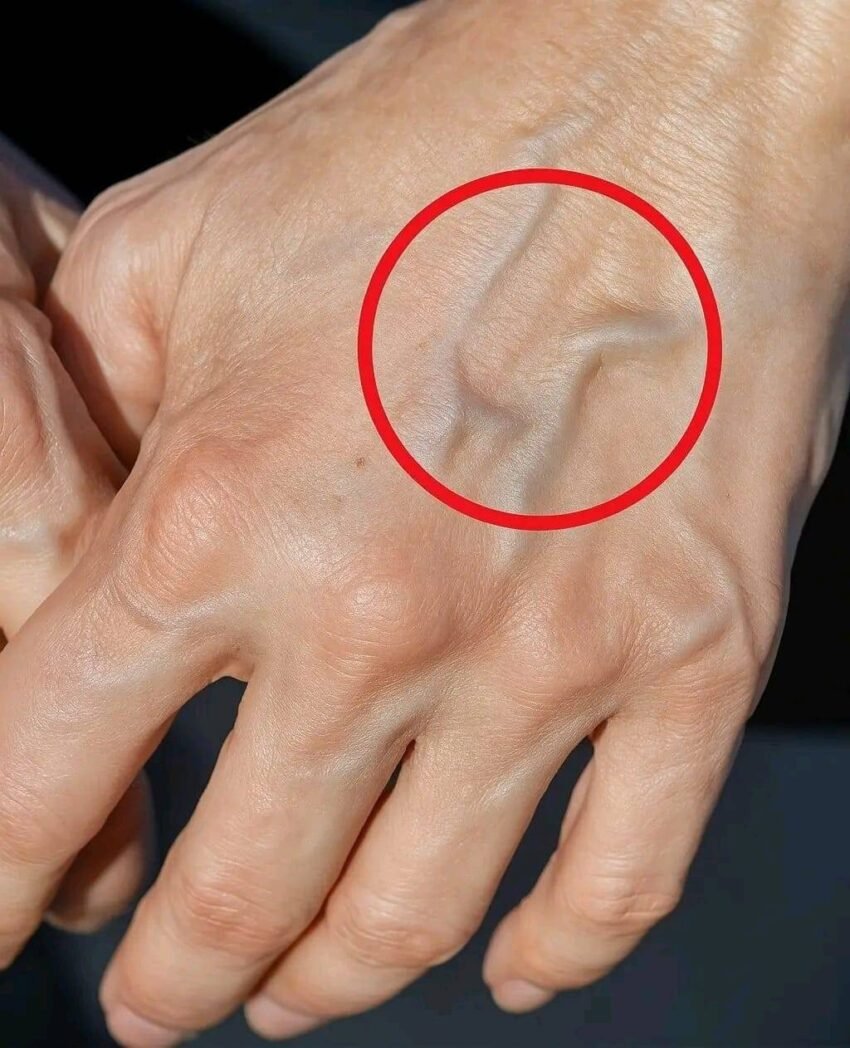
Visible Veins: What They Mean and Why You Might See Them
Visible veins can appear on your legs, arms, or face. Learn the causes, what they might indicate about your health, and safe ways to manage or prevent them.
Why Some Veins Are More Visible Than Others
Have you ever noticed blue, green, or purple veins popping through your skin and wondered why?
Visible veins are a common occurrence, often harmless, but sometimes they can signal underlying health issues. Factors like skin thickness, age, genetics, and circulation all influence how prominently veins appear.
Understanding what causes veins to be visible can help you decide when it’s purely cosmetic and when it’s worth a closer look.
How Veins Work
Veins are blood vessels that carry deoxygenated blood back to the heart.
-
Superficial veins: Located just beneath the skin, these are often visible.
-
Deep veins: Found deeper in tissues, usually not seen.
-
Vein walls contain valves that prevent blood from flowing backward.
When veins become more prominent, it may be due to structural changes or increased blood flow, not necessarily a medical problem.
Common Causes of Visible Veins
1. Genetics and Skin Type
Some people naturally have thinner or fairer skin, which makes veins more visible.
-
Fair-skinned individuals often see blue or green veins more easily.
-
Family history of visible veins or varicose veins increases likelihood.
2. Aging
As we age:
-
Skin thins
-
Fat layer beneath the skin decreases
-
Veins can bulge slightly, especially in hands, arms, and legs
This is typically harmless but may become more noticeable over time.
3. Sun Exposure
UV damage can thin the skin and weaken veins, particularly on arms, hands, and legs.
-
Chronic sun exposure accelerates vein visibility.
-
Using sunscreen and protective clothing can reduce impact.
4. Weight and Body Composition
-
Low body fat makes veins more prominent.
-
Athletes often notice “vascularity” due to low fat and higher blood flow.
5. Hormonal Changes
-
Pregnancy, menopause, and hormone therapies can increase blood volume and vein dilation.
-
Many women notice veins become more visible during pregnancy due to increased pressure in leg veins.
6. Circulation Issues
Some visible veins may indicate underlying circulation problems:
-
Varicose veins: Enlarged, twisted veins, often in legs, sometimes causing discomfort or swelling
-
Spider veins: Smaller, superficial veins forming a web-like pattern, usually harmless
-
Venous insufficiency: Blood doesn’t flow properly back to the heart, causing vein enlargement
When Visible Veins Are a Cosmetic Concern
For many people, visible veins are not harmful but may feel unsightly. Common areas include:
-
Legs
-
Hands
-
Chest and shoulders
-
Face
Options for cosmetic management:
-
Compression stockings (for leg veins)
-
Laser treatments or sclerotherapy
-
Maintaining healthy weight and exercise
Signs You Should See a Doctor
Seek professional advice if you notice:
-
Pain, aching, or heaviness in the legs
-
Swelling or redness around veins
-
Ulcers or skin discoloration near veins
-
Sudden appearance of new, prominent veins without explanation
These could indicate conditions like venous insufficiency, blood clots, or vascular inflammation.
Natural Ways to Support Healthy Veins
-
Exercise regularly – promotes circulation and strengthens calf muscles.
-
Elevate legs – reduces pressure on leg veins.
-
Maintain a healthy weight – decreases vein strain.
-
Avoid prolonged sitting or standing – move around every hour.
-
Eat a vein-friendly diet – rich in fiber, flavonoids, and hydration.
Frequently Asked Questions
Q: Are visible veins always a health risk?
A: No, many are harmless, especially in thin or fair-skinned individuals.
Q: Why do veins appear blue or green?
A: Skin absorbs more red light; blue and green wavelengths reflect, making veins appear colored.
Q: Can visible veins go away naturally?
A: Thicker skin or increased fat may hide veins; some cosmetic treatments can reduce visibility.
Q: Are spider veins dangerous?
A: Generally no, but they can indicate minor vein weakness.
Q: Do men or women see veins more often?
A: Both can, but hormonal factors may make veins more noticeable in women.
Visible veins are common and usually harmless. Factors like age, genetics, skin type, weight, and lifestyle play a role.
However, persistent pain, swelling, or sudden changes should be evaluated by a healthcare professional.
Final Thought
Your veins tell a story about your circulation, lifestyle, and overall vascular health. While most visible veins are cosmetic, paying attention to changes ensures you can enjoy healthy, strong circulation well into the future.
Simple habits like exercise, healthy diet, and mindful sun protection go a long way in keeping veins healthy and skin glowing.