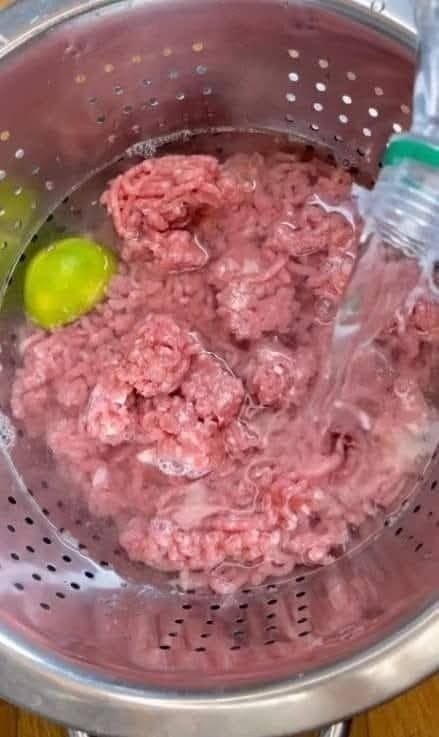
Why I Always Rinse Ground Beef—and What Happened When I Didn’t
Ground beef can carry bacteria, but should you rinse it? Here’s what happened when I avoided meat that wasn’t rinsed and why safe handling matters for families.
The Dinner That Made Me Pause
Last night, my sister-in-law cooked dinner with ground beef. The smell was fine, the spices looked inviting—but something stopped me.
I couldn’t eat it. I even kept my kids from eating it.
Why? Because she didn’t rinse the ground beef before cooking—and for years, I’ve always rinsed mine.
It might sound extreme, but after years of cooking and learning about kitchen safety, my instincts kicked in. Ground beef is a common source of bacteria like E. coli and Salmonella, and I wasn’t willing to take a risk.
Rinsing Ground Beef: Is It Necessary?
There’s a lot of debate in the culinary and health world about whether you should rinse ground beef.
The official stance from USDA and food safety experts:
-
Do not rinse raw meat.
-
Rinsing can spread bacteria to your sink, counters, and utensils via splashing water.
-
Cooking ground beef to 160°F (71°C) kills harmful bacteria, making rinsing unnecessary.
So technically, rinsing isn’t required for safety—but it is a common practice in some households out of habit or cultural preference.
Why Some People Rinse Ground Beef
People who rinse ground beef usually do it for:
-
Removing surface blood or juices
-
Reducing strong odors
-
Feeling more hygienic
In my family, rinsing meat is a ritual—especially with kids—because it feels like an extra layer of protection, even if the USDA says it’s not needed.
How I Handled the Situation
When I realized the beef wasn’t rinsed, I:
-
Politely declined eating the meat.
-
Explained to my kids that some foods need extra care before cooking.
-
Offered alternatives: salad, bread, and vegetables.
-
Respected my sister-in-law’s choice while keeping my family safe.
It was tricky—family dynamics are delicate—but I prioritized food safety and peace of mind.
The Bigger Picture: Ground Beef Safety Tips
Whether you rinse it or not, there are essential steps to prevent illness:
-
Cook thoroughly: Ground beef must reach 160°F (71°C) internally.
-
Avoid cross-contamination: Use separate cutting boards for meat and produce.
-
Wash hands and utensils: Always clean surfaces after touching raw meat.
-
Store properly: Keep beef refrigerated at ≤40°F (4°C) and freeze if storing longer.
Following these steps reduces risk far more than rinsing ever could.
Why Personal Habits Matter
Food practices vary widely across households. Some people rinse meat religiously; others rely solely on cooking temperatures.
What’s important is awareness:
-
Understanding foodborne bacteria
-
Using safe cooking practices
-
Making choices you’re comfortable with—especially when cooking for children
For me, rinsing is part of that mindset.
How to Navigate Differences in Family Cooking
If you cook with family members who have different habits:
-
Communicate politely: Explain your preferences without judgment.
-
Offer to prep separately: Sometimes cooking your portion separately avoids conflict.
-
Share safety tips: Mention temperature checks, proper storage, and hygiene.
-
Respect choices: Understand that not everyone follows the same rituals, as long as the meat is cooked safely.
This approach balances safety, comfort, and family harmony.
FAQs About Ground Beef Safety
Q: Is rinsing ground beef necessary?
A: No. Cooking to 160°F kills harmful bacteria, making rinsing optional and mostly cultural or habitual.
Q: Can rinsing spread bacteria?
A: Yes. Water splashes can spread bacteria to sinks, countertops, and utensils.
Q: How can I make ground beef safer for my family?
A: Cook thoroughly, avoid cross-contamination, wash hands and surfaces, and store meat properly.
Q: Is it safe for kids to eat unrinsed ground beef?
A: If cooked properly to 160°F, yes. Kids are more vulnerable to foodborne illness, so extra care is wise.
Q: Can rinsing reduce smell?
A: Yes, rinsing can reduce surface blood and odor but does not increase safety.
The dinner I skipped wasn’t dangerous per se—my sister-in-law cooked the beef, which would have killed bacteria—but my family’s habits and comfort level guided my choice.
Rinsing ground beef is more about personal preference and peace of mind than a strict safety requirement. The real key to preventing illness is thorough cooking, hygiene, and smart handling.
Final Thought
Food safety isn’t just about rules—it’s about trust, habits, and protecting loved ones.
Whether you rinse, cook, or prep differently, being aware, cautious, and respectful ensures everyone can enjoy meals safely—even when family habits differ.