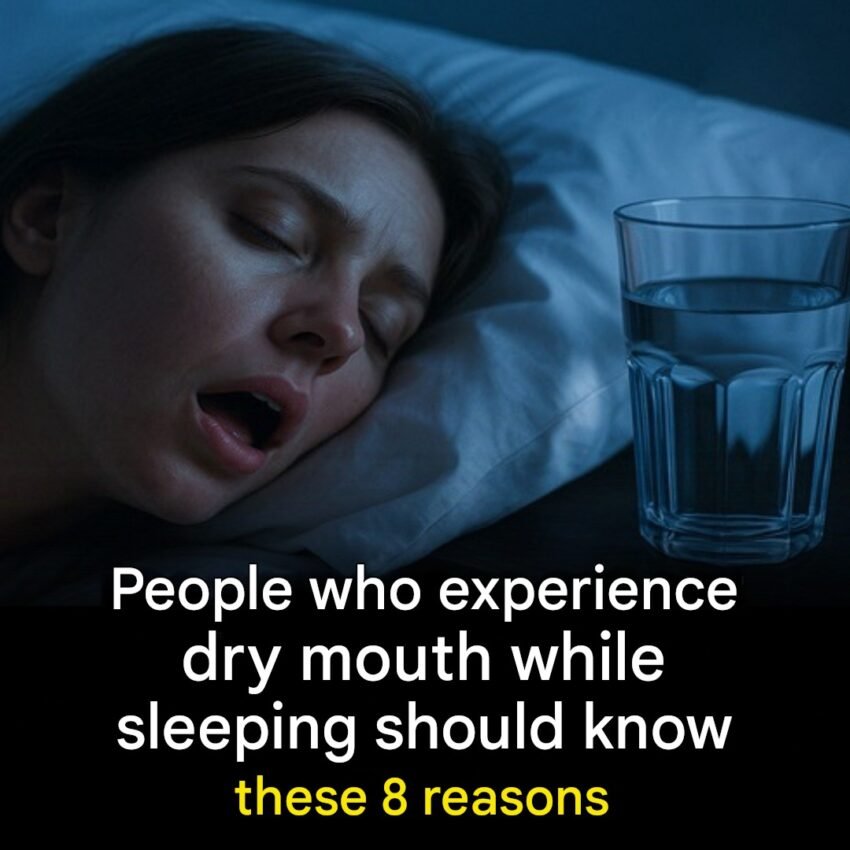
People Who Experience Dry Mouth While Sleeping Should Know These 8 Reasons
Waking up with a dry mouth? Discover 8 common causes of nighttime dry mouth and simple ways to prevent it for better sleep and oral health.
Why You Wake Up With a Dry Mouth
Waking up with a parched mouth can be uncomfortable and even affect your overall health. While occasional dryness is normal, persistent dry mouth—medically known as xerostomia—can indicate underlying issues.
Dry mouth can lead to:
-
Bad breath
-
Tooth decay
-
Sore throat
-
Difficulty swallowing
Understanding the causes is the first step to relief.
1. Mouth Breathing During Sleep
Breathing through your mouth instead of your nose dries out saliva, which normally keeps your mouth moist.
Common reasons for mouth breathing include:
-
Nasal congestion due to allergies or colds
-
Deviated septum or structural nasal issues
-
Enlarged tonsils or adenoids
Tip: Using a humidifier in your bedroom or nasal strips may help reduce dryness.
2. Dehydration
Not drinking enough water during the day can leave your body and mouth dry at night.
Signs of dehydration include:
-
Dark yellow urine
-
Fatigue
-
Thirst
-
Dry lips and skin
Tip: Aim for adequate hydration throughout the day, especially before bedtime.
3. Medications
Certain medications can reduce saliva production, leading to dry mouth while sleeping.
Common culprits include:
-
Antihistamines (for allergies)
-
Decongestants
-
Blood pressure medications
-
Antidepressants
-
Muscle relaxants
Tip: Talk to your doctor about alternatives or saliva-friendly options if medications are causing dryness.
4. Sleep Apnea
Obstructive sleep apnea can contribute to dry mouth.
How it happens:
-
Partial airway blockages cause you to breathe through your mouth
-
Sleep is interrupted, reducing saliva production
Tip: If you snore loudly or feel tired despite sleeping enough, consult a sleep specialist.
5. Smoking or Vaping
Tobacco products reduce saliva flow and irritate oral tissues.
Effects include:
-
Dry mouth
-
Bad breath
-
Increased risk of gum disease and cavities
Tip: Reducing or quitting smoking/vaping improves oral hydration and overall health.
6. Alcohol and Caffeine Before Bed
Both alcohol and caffeine can cause dehydration and reduce saliva production, worsening nighttime dryness.
Tip: Limit alcohol and caffeinated drinks in the evening. Opt for water instead.
7. Aging and Hormonal Changes
As people age, saliva production naturally decreases. Women may also experience dry mouth during menopause due to hormonal changes.
Tip: Regular hydration and saliva-stimulating activities like sugar-free gum can help.
8. Medical Conditions
Certain medical conditions can cause chronic dry mouth, including:
-
Diabetes
-
Sjögren’s syndrome
-
Thyroid disorders
-
Autoimmune conditions
If dry mouth persists despite lifestyle changes, it’s important to consult a healthcare provider.
How to Prevent and Relieve Dry Mouth at Night
Hydration
-
Drink water throughout the day
-
Keep a small water bottle by your bedside
Saliva Stimulation
-
Chew sugar-free gum or suck on sugar-free lozenges
-
Avoid sugary snacks before bed
Oral Care
-
Brush teeth twice daily
-
Use alcohol-free mouthwash
-
Consider a fluoride toothpaste to protect enamel
Bedroom Environment
-
Use a humidifier to maintain moisture in the air
-
Avoid sleeping with your mouth open if possible
Lifestyle Changes
-
Limit alcohol and caffeine
-
Stop smoking or vaping
Frequently Asked Questions
Q: Is waking up with dry mouth dangerous?
A: Usually, occasional dryness is not harmful. Persistent dry mouth can lead to dental issues and may indicate underlying conditions.
Q: Can dry mouth affect sleep quality?
A: Yes. Mouth discomfort can cause nighttime awakenings and contribute to fatigue.
Q: Are there medications to treat dry mouth?
A: Doctors can recommend saliva substitutes, moisturizing gels, or prescription medications if needed.
Q: Does mouth breathing always indicate sleep apnea?
A: Not always, but chronic mouth breathing during sleep can be a sign of airway obstruction.
Q: Will chewing gum at night help?
A: Gum is useful during the day but may be unsafe to chew while sleeping. Focus on hydration and humidifiers instead.
Quick Checklist to Reduce Nighttime Dry Mouth
-
Stay hydrated during the day
-
Limit alcohol and caffeine before bed
-
Address nasal congestion
-
Use a humidifier in the bedroom
-
Maintain good oral hygiene
-
Discuss medications with your doctor if needed
Waking up with a dry mouth is more than just an inconvenience—it can affect oral health and signal underlying issues.
By understanding the common causes—ranging from dehydration and medications to sleep apnea and hormonal changes—you can take proactive steps to improve hydration, protect your teeth, and sleep more comfortably.
Share Your Experience
Do you struggle with dry mouth while sleeping? Share what has worked for you in the comments—your tips could help others find relief and get a better night’s sleep.