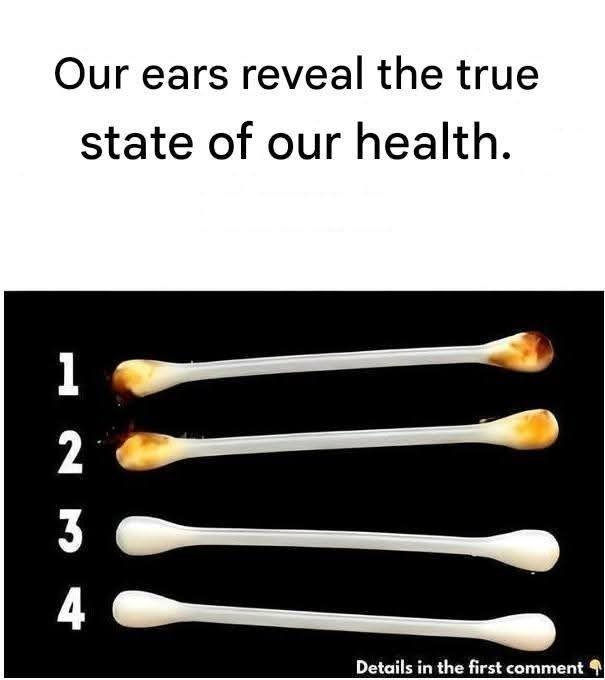
7 Surprising Health Clues Your Ears Reveal About Your Body
Your ears may reveal hidden health problems before other symptoms appear. Discover 7 important ear signs doctors say could signal deeper health issues.
Your Ears Might Be Quietly Warning You About Your Health
Most people only think about their ears when something goes wrong.
Maybe it’s ringing.
Maybe it’s pressure during a flight.
Maybe it’s trouble hearing someone in a crowded room.
But what many people don’t realize is that your ears can reveal important clues about your overall health.
Doctors often notice subtle ear changes that point to issues affecting other parts of the body — sometimes before major symptoms appear.
These signals may relate to:
-
Heart health
-
Circulation
-
Vitamin deficiencies
-
Infections
-
Nerve function
-
Even metabolic conditions
In fact, medical professionals sometimes examine the ears during routine physical exams because ear structures and nerve pathways connect closely with the brain, cardiovascular system, and immune system.
In this in-depth guide, we’ll explore:
-
What your ears can reveal about your health
-
7 warning signs doctors pay attention to
-
What causes these changes
-
When to see a healthcare professional
-
Simple habits to protect ear and overall health
Your ears may be small, but they can tell a surprisingly big story about what’s happening inside your body.
Why the Ears Reflect Overall Health
The ears are not just hearing organs.
They are complex structures containing:
-
Blood vessels
-
Nerves connected to the brain
-
Skin that reflects circulation and inflammation
-
Balance organs that rely on neurological health
Because of this, problems affecting other body systems may show up in the ears.
For example:
-
Circulatory issues can affect blood flow to the inner ear
-
Nutrient deficiencies can weaken nerve signals involved in hearing
-
Neurological conditions can disrupt balance and sound processing
Doctors often view ear symptoms as valuable diagnostic clues, especially when combined with other physical signs.
7 Health Signals Your Ears May Be Revealing
1. A Diagonal Earlobe Crease
One of the most discussed ear signs is a diagonal crease running across the earlobe.
Some studies have suggested this crease may be linked with cardiovascular risk factors, including heart disease.
Researchers believe it may reflect:
-
Reduced blood circulation
-
Aging of small blood vessels
-
Underlying metabolic changes
However, this sign alone does not diagnose heart disease. It simply signals that further evaluation may be worthwhile, especially if other risk factors are present.
2. Persistent Ringing in the Ears (Tinnitus)
A constant ringing, buzzing, or humming sound in the ears can indicate several health issues.
Possible causes include:
-
Hearing damage from loud noise
-
Stress and anxiety
-
Circulatory problems
-
Certain medications
-
Ear infections
Tinnitus sometimes appears when blood flow changes near the ear, which is why doctors may check cardiovascular health when symptoms persist.
3. Sudden Hearing Loss
Sudden hearing loss in one or both ears should always be treated as a medical concern.
Possible causes include:
-
Viral infections
-
Circulation problems affecting the inner ear
-
Nerve inflammation
-
Inner ear disorders
Prompt treatment often improves recovery chances, which is why sudden hearing changes require immediate evaluation.
4. Dry, Itchy Ear Canals
Persistent dryness or itching inside the ears can be linked to several conditions:
-
Skin disorders such as eczema
-
Allergic reactions
-
Fungal infections
-
Vitamin deficiencies
Sometimes low levels of nutrients such as vitamin D or omega-3 fatty acids can contribute to skin dryness in sensitive areas like the ears.
5. Ear Pain Without Infection
Ear pain is not always caused by ear problems.
Because nerves in the ears connect with other parts of the body, pain may originate from:
-
Jaw joint disorders (TMJ)
-
Dental problems
-
Throat infections
-
Sinus issues
This phenomenon is known as referred pain, where the brain interprets signals from nearby structures as ear discomfort.
6. Balance Problems or Frequent Dizziness
Inside your inner ear is the vestibular system, which helps control balance.
When this system becomes disturbed, symptoms may include:
-
Dizziness
-
Vertigo
-
Difficulty maintaining balance
-
Nausea
These issues can result from:
-
Inner ear infections
-
Head injuries
-
Circulatory problems
-
Neurological conditions
Because balance relies heavily on ear function, persistent dizziness should always be investigated.
7. Changes in Ear Color or Temperature
Unusual changes in ear color can sometimes indicate circulation or inflammation problems.
Examples include:
Red ears may occur with:
-
Fever
-
Skin inflammation
-
Allergic reactions
Pale ears may reflect:
-
Reduced circulation
-
Low blood pressure
Bluish tones can sometimes indicate oxygen circulation issues and should be evaluated promptly.
Real-World Example: When Ear Symptoms Reveal a Bigger Problem
Consider a common scenario.
A person begins noticing mild ringing in their ears during quiet moments.
At first, they assume it’s normal aging or stress.
However, after a medical evaluation, doctors discover elevated blood pressure that was previously undiagnosed.
Once blood pressure is managed, the ringing improves significantly.
This example highlights an important point:
Ear symptoms are sometimes the first signal that something else in the body needs attention.
Common Health Conditions Linked to Ear Symptoms
Certain conditions frequently affect ear health.
These include:
-
High blood pressure
-
Circulatory disorders
-
Nutritional deficiencies
-
Allergies
-
Sinus infections
-
Autoimmune conditions
-
Neurological disorders
However, ear symptoms alone rarely confirm a diagnosis.
Doctors usually combine them with medical history, physical exams, and testing.
Habits That Help Protect Ear and Overall Health
Maintaining ear health often overlaps with maintaining overall wellness.
Here are simple strategies that can make a difference.
Protect Your Hearing
Avoid prolonged exposure to loud noise.
Use ear protection during:
-
Concerts
-
Power tool use
-
Sporting events
Maintain Healthy Circulation
Good circulation supports inner ear function.
Helpful habits include:
-
Regular physical activity
-
Managing blood pressure
-
Eating a balanced diet
-
Staying hydrated
Avoid Over-Cleaning the Ears
Many people use cotton swabs inside their ears, which can push wax deeper and irritate the ear canal.
The ear usually cleans itself naturally.
Manage Stress
Stress can worsen tinnitus and muscle tension around the jaw and ears.
Helpful practices include:
-
Exercise
-
Meditation
-
Adequate sleep
Schedule Regular Checkups
Routine medical exams allow doctors to detect issues early, including subtle ear-related symptoms.
Common Misconceptions About Ear Health
Myth: Earwax is harmful
Earwax actually protects the ear canal by trapping dust and bacteria.
Myth: Hearing loss only happens in old age
Noise exposure, infections, and genetics can cause hearing changes at any age.
Myth: Ear symptoms are always minor
While many ear issues are harmless, some can signal underlying health conditions that need attention.
When to See a Doctor
You should seek medical advice if you experience:
-
Sudden hearing loss
-
Persistent ringing in the ears
-
Severe ear pain
-
Ongoing dizziness or vertigo
-
Discharge from the ear
-
Balance problems affecting daily activities
Early evaluation helps rule out serious conditions and improves treatment outcomes.
Frequently Asked Questions
Can ear problems indicate heart disease?
Certain ear signs, such as a diagonal earlobe crease, have been associated with cardiovascular risk in some studies, though they are not diagnostic by themselves.
What vitamin deficiency affects the ears?
Low levels of vitamin D, B12, and magnesium have been linked to hearing issues and tinnitus in some cases.
Why do my ears ring when I’m stressed?
Stress can increase nervous system sensitivity and blood pressure changes, both of which may trigger tinnitus.
Are ear infections dangerous?
Most ear infections are mild, but untreated infections can occasionally spread and should be evaluated if symptoms persist.
Can dehydration affect the ears?
Yes. Dehydration can sometimes contribute to dizziness and balance issues.
Do ear symptoms always mean hearing loss?
Not necessarily. Many ear symptoms are temporary or caused by reversible conditions.
Can ear pain come from the jaw?
Yes. Jaw joint disorders (TMJ) often cause pain that feels like it’s coming from the ear.
What is the best way to keep ears healthy?
Protecting hearing, maintaining overall health, and avoiding inserting objects into the ear are key preventive steps.
Quick Health Checklist
Pay attention if you notice:
✔ Persistent ringing in the ears
✔ Sudden hearing changes
✔ Frequent dizziness
✔ Ear pain without infection
✔ Unusual ear color changes
These signs don’t always indicate serious illness, but they can be important signals your body is sending.
Conclusion
Your ears do far more than help you hear.
They are closely connected to the brain, circulation, nerves, and balance systems, which means they can reveal valuable information about your overall health.
Subtle changes — whether it’s ringing, pain, dizziness, or unusual ear features — sometimes provide early clues that something in the body needs attention.
Listening to those signals and seeking medical guidance when needed can help detect issues early and protect both your hearing and your overall well-being.
Your ears may quietly reveal important clues about your health. Paying attention to persistent symptoms — and addressing them early — can help protect not just your hearing but your entire body.
If you found this article helpful, consider sharing it with friends or family. Small health insights can make a big difference, and someone you know may benefit from recognizing these early warning signs.