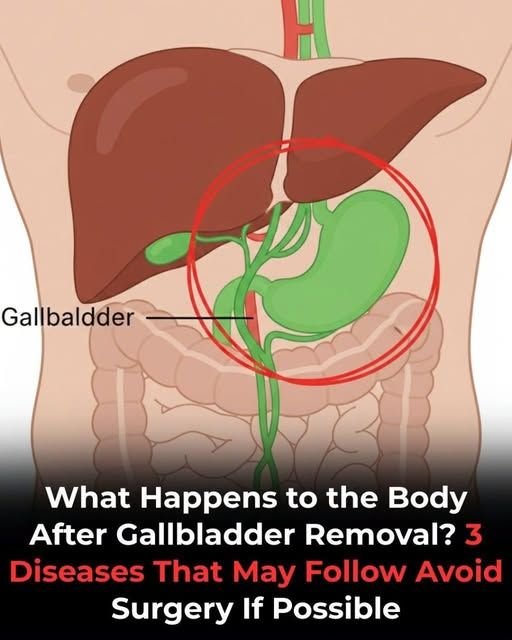
After Gallbladder Removal: 3 Conditions You Could Develop — Why Surgery Isn’t Always the Best Option
Gallbladder removal can lead to digestive and metabolic issues. Learn the 3 common conditions that may develop afterward and safer alternatives to consider.
Why Gallbladder Surgery Isn’t Always a Simple Fix
When gallstones or gallbladder pain strike, many patients in the United States are told:
“The easiest solution is to remove it.”
Gallbladder removal, or cholecystectomy, is indeed common — over 700,000 procedures are performed annually in the U.S. according to the CDC.
But the procedure isn’t always as straightforward as it sounds.
While it eliminates gallstones and immediate pain, removing this small organ can trigger long-term digestive and metabolic changes. Many people only realize the consequences months or even years later.
Understanding what could happen post-surgery is essential — so you can make informed decisions with your doctor.
The Gallbladder’s Role in Your Body
Before exploring post-surgery risks, it’s important to understand the gallbladder’s purpose.
-
Stores bile: Produced by the liver, bile helps digest fats efficiently.
-
Releases bile when needed: During meals, it delivers concentrated bile to the small intestine.
-
Supports fat-soluble vitamin absorption: Vitamins A, D, E, and K depend on bile for absorption.
Without the gallbladder, bile flows continuously from the liver to the intestine — but it’s less concentrated and less efficiently timed with meals.
This subtle change can lead to digestive disturbances and metabolic stress, which is why some people develop complications after surgery.
3 Conditions That Can Develop After Gallbladder Removal
1. Postcholecystectomy Syndrome (PCS)
What it is:
PCS refers to a collection of digestive symptoms some patients experience after gallbladder removal.
Common symptoms include:
-
Upper abdominal pain
-
Bloating and gas
-
Nausea
-
Indigestion, especially after fatty meals
Why it happens:
Without the gallbladder, bile enters the intestines more slowly or irregularly, causing digestive disruption.
Real-world note:
Some patients may avoid fatty foods entirely, leading to reduced nutrient intake and unintended weight changes.
2. Diarrhea and Fat Malabsorption
After surgery, many patients notice chronic diarrhea or loose stools, sometimes called bile acid diarrhea.
Mechanism:
-
Continuous bile flow can irritate the intestines
-
Fat absorption becomes less efficient
-
Fat-soluble vitamins (A, D, E, K) may be absorbed poorly
Practical tip:
Eating smaller, lower-fat meals can reduce discomfort, but in some cases, doctors may prescribe bile acid sequestrants to manage symptoms.
3. Increased Risk of Metabolic Disorders
Emerging research suggests that removing the gallbladder may increase the risk of:
-
Type 2 diabetes
-
Non-alcoholic fatty liver disease (NAFLD)
-
Changes in cholesterol levels
Why:
-
Disrupted bile flow affects glucose metabolism
-
Altered fat digestion can affect lipid profiles
-
Microbiome changes may increase inflammation
Example:
A study published in JAMA Surgery found that patients post-cholecystectomy had a slightly higher long-term risk of developing metabolic conditions compared with non-surgical peers.
Who Might Be at Higher Risk After Surgery?
Certain individuals may experience complications more severely, including:
-
People with pre-existing diabetes or fatty liver
-
Those with high-fat diets
-
Patients with intestinal disorders, like IBS
-
Older adults with slower digestion
Safer Alternatives to Consider Before Surgery
Not all gallbladder issues require immediate removal. Depending on symptoms and stone size, doctors may recommend:
1. Dietary Management
-
Reduce fatty, fried, and processed foods
-
Eat smaller, frequent meals
-
Include fiber to aid digestion
This can prevent gallstones from worsening and may reduce symptoms.
2. Medications
-
Ursodeoxycholic acid can sometimes dissolve small cholesterol stones over months
-
Pain management and anti-nausea medications can improve quality of life
3. Non-Surgical Procedures
-
Endoscopic or minimally invasive procedures can remove certain stones
-
These may preserve the gallbladder while relieving blockages
4. Regular Monitoring
-
Ultrasound checks
-
Blood tests for liver function
-
Monitoring vitamin and mineral levels
Early detection of complications can sometimes prevent the need for surgery altogether.
Expert Tips for Patients Considering Gallbladder Removal
-
Get a second opinion: Many patients benefit from reviewing options with a gastroenterologist.
-
Discuss risks vs. benefits: Surgery may solve immediate pain, but long-term digestive changes can occur.
-
Plan post-surgery nutrition: If removal is necessary, learning how to eat low-fat, nutrient-rich meals is critical.
-
Monitor symptoms: Watch for persistent diarrhea, bloating, or fatigue — these may indicate vitamin or bile issues.
Frequently Asked Questions
Is gallbladder surgery dangerous?
For most patients, it’s safe, but risks include infection, bile leaks, digestive disturbances, and long-term metabolic effects.
Can I live without a gallbladder?
Yes, but some people experience postcholecystectomy digestive changes, requiring diet adjustments.
How long does recovery take?
Most people recover in 2–6 weeks, but digestive adaptation may take several months.
Will I need medication after surgery?
Some patients require bile acid binders or supplements for fat-soluble vitamins (A, D, E, K).
Can gallstones return after gallbladder removal?
Gallstones cannot form in a removed gallbladder, but stones can rarely form in the bile ducts.
What foods should I avoid after gallbladder removal?
High-fat, fried, and processed foods often trigger symptoms. Smaller, balanced meals are recommended.
Gallbladder removal is a common procedure, but it isn’t risk-free. Many patients develop postcholecystectomy syndrome, diarrhea, fat malabsorption, or metabolic changes.
When possible, explore dietary, medical, and minimally invasive alternatives before opting for surgery.
Listening to your body, working with a qualified doctor, and understanding long-term consequences can help you avoid unnecessary surgery and maintain digestive and metabolic health.
If you or someone you know is facing gallbladder surgery, share this article — knowing the potential consequences can make a lasting difference in post-surgery health.