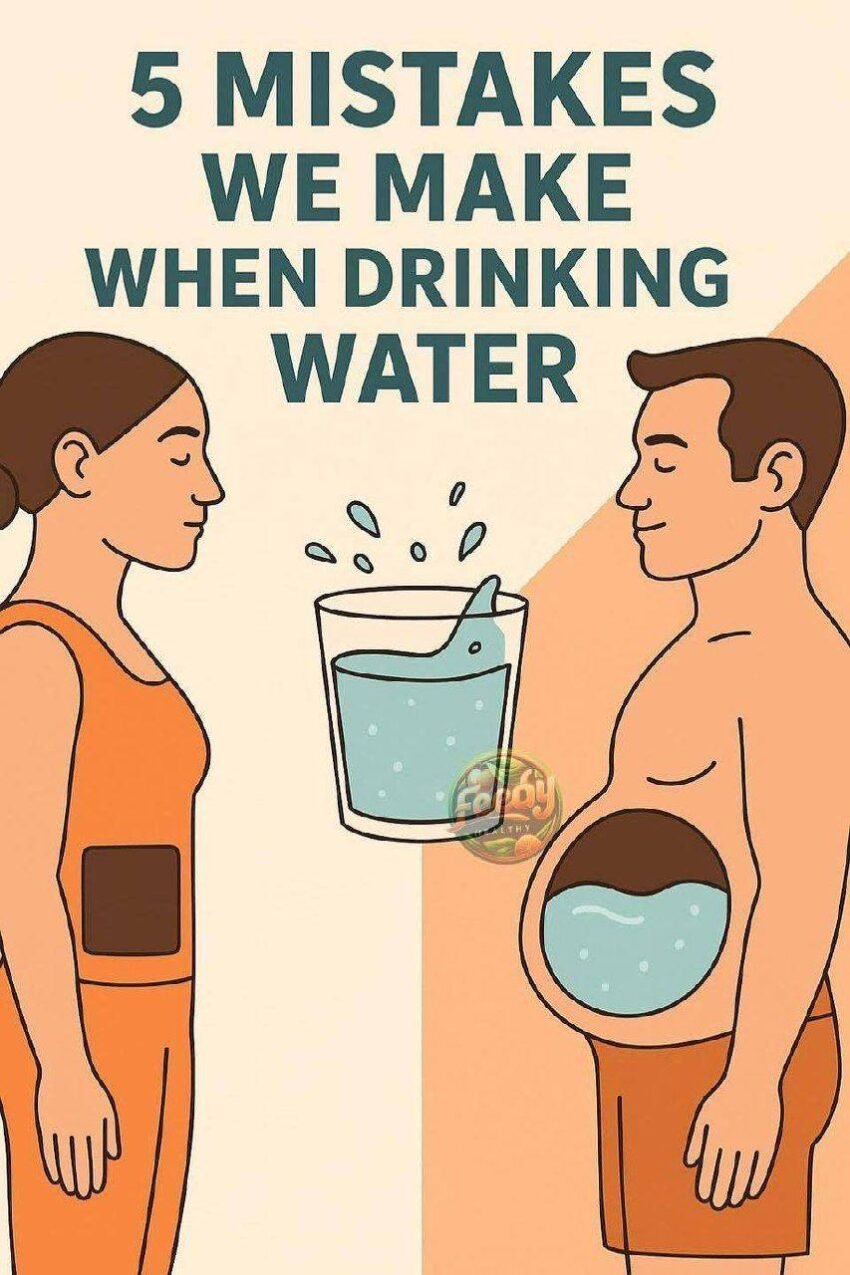
5 Common Mistakes When Drinking Water That Can Affect Your Health
Are you drinking water the wrong way? Discover 5 common mistakes that may affect hydration, digestion, and overall health—and how to fix them.
Why Proper Water Habits Matter
Water is essential for life, yet many people unknowingly drink it in ways that can negatively impact their health.
Even if you meet your daily water quota, how and when you drink water matters just as much as how much you drink.
Let’s explore the five most common mistakes people make when drinking water and simple adjustments to maximize your health benefits.
1. Drinking Too Much or Too Little at Once
The mistake: Chugging large amounts of water quickly or going long periods without drinking.
Why it matters:
-
Drinking too much at once can dilute electrolytes in your body, potentially causing fatigue, headaches, or in extreme cases, hyponatremia.
-
Drinking too little and relying on thirst alone can lead to chronic dehydration, affecting kidney function, digestion, and energy levels.
Expert tip:
-
Sip water consistently throughout the day.
-
Use a guideline of 8–10 cups daily, adjusting for activity, climate, and body weight.
-
Drink small amounts regularly instead of one large gulp.
2. Drinking Cold Water During Meals
The mistake: Consuming ice-cold water or beverages with meals.
Why it matters:
-
Extremely cold water can slow digestion by constricting blood vessels in the stomach.
-
It may interfere with enzyme activity needed to break down food efficiently.
Better approach:
-
Drink room temperature or slightly cool water with meals.
-
Save ice-cold water for between meals or after exercise.
3. Ignoring Water Before Bedtime or After Waking Up
The mistake: Skipping water in the morning or drinking excessively right before sleep.
Why it matters:
-
Morning dehydration: Your body can be mildly dehydrated after 6–8 hours of sleep. Skipping water delays rehydration and can affect metabolism, brain function, and energy.
-
Nighttime overhydration: Drinking too much water right before bed can disrupt sleep with frequent trips to the bathroom.
Better approach:
-
Drink 1–2 glasses of water upon waking to rehydrate.
-
Limit water intake 1–2 hours before sleep.
4. Using Water as a Replacement for Other Nutrients
The mistake: Relying solely on water for detox, weight loss, or ignoring other sources of hydration like electrolytes.
Why it matters:
-
Water alone cannot replace essential minerals like sodium, potassium, or magnesium lost through sweat or illness.
-
Overhydration without electrolytes may cause imbalance and affect heart and muscle function.
Better approach:
-
Include hydrating foods: fruits like watermelon, cucumber, and oranges.
-
Use electrolyte solutions after intense exercise or hot weather.
-
Maintain a balanced diet for optimal hydration and nutrient balance.
5. Drinking Water in Large Quantities Only When Thirsty
The mistake: Waiting until you feel thirsty to drink.
Why it matters:
-
Thirst is a late indicator of dehydration, meaning your body is already partially dehydrated when you feel thirsty.
-
Chronic mild dehydration can affect:
-
Skin elasticity
-
Digestion and nutrient absorption
-
Concentration and mood
-
Better approach:
-
Develop a consistent hydration schedule.
-
Keep a water bottle nearby and take small sips throughout the day.
-
Listen to your body but don’t wait for thirst alone.
Additional Tips for Optimal Hydration
-
Choose clean, filtered water whenever possible.
-
Add a slice of lemon or cucumber for flavor and electrolytes.
-
Monitor urine color: pale yellow indicates proper hydration; dark yellow signals dehydration.
-
Adjust water intake for exercise, climate, and illness.
Frequently Asked Questions
How much water should I drink daily?
8–10 cups on average, but individual needs vary based on activity, climate, and health status.
Can drinking too much water be harmful?
Yes, excessive intake can dilute electrolytes and strain kidneys.
Is cold water bad for health?
Cold water is safe, but room temperature water is gentler on digestion.
Can water help with weight loss?
Yes, drinking water before meals may reduce appetite and support metabolism, but it should be combined with a healthy diet.
What’s the best way to remember to drink water?
Carry a reusable water bottle, set reminders, or link water intake to routine activities.
Drinking water may seem simple, but common mistakes—like timing, temperature, and overconsumption—can affect your health.
By:
-
sipping consistently,
-
choosing the right temperature,
-
including electrolytes, and
-
drinking at the right times,
you can maximize hydration benefits, support digestion, and boost overall wellness.
Share this guide with friends and family to help them avoid these hydration mistakes, and leave a comment about your favorite water-drinking habits.