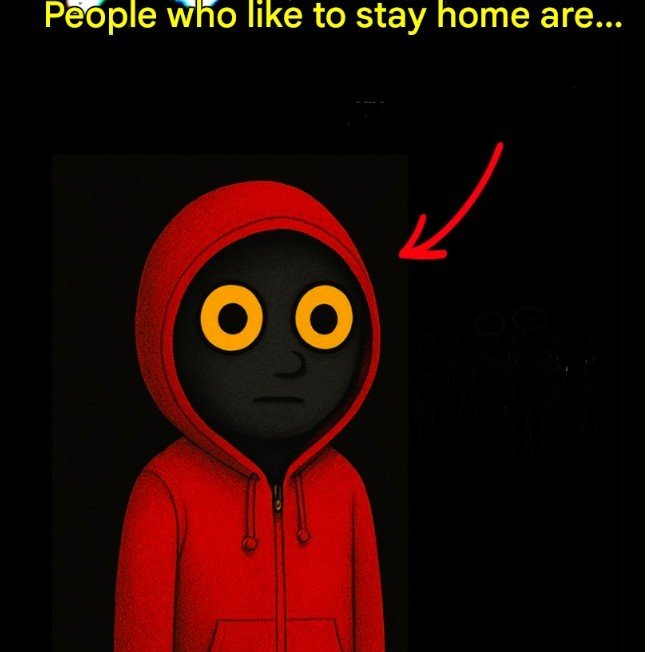
People Who Like to Stay Home: Why Homebodies Thrive in Their Own Space
Discover why people who love staying home are happier, more productive, and healthier. Explore the psychology, benefits, and myths about homebodies.
Why Some People Prefer Home Over the World
Not everyone dreams of constant social events, bustling cafes, or weekend getaways. Some people feel most comfortable and energized at home.
Being a “homebody” is often misunderstood. Society sometimes labels home-lovers as antisocial or boring, but research shows they often have unique strengths, healthier habits, and higher satisfaction in life.
Staying home isn’t just a lifestyle choice—it can be a deliberate way to recharge, reflect, and cultivate meaningful routines.
The Psychology Behind Homebodies
Homebodies tend to exhibit:
-
Introversion: They gain energy from quiet, personal time rather than crowds.
-
High self-awareness: They often enjoy reflection, journaling, or creative pursuits.
-
Mindful habits: Homebodies may prefer cooking, reading, or home workouts over external entertainment.
Research in behavioral psychology shows that environments aligned with personality can improve mental health. For home-lovers, their living space is a sanctuary that nurtures creativity, focus, and relaxation.
Benefits of Enjoying Your Home Life
1. Better Mental Health
-
Reduced social pressure: Less stress from constant social obligations.
-
Greater autonomy: Homebodies can structure their day around what matters most to them.
-
Calmer environment: Quiet spaces reduce cortisol and anxiety levels.
2. Improved Productivity
-
Fewer distractions: Homebodies can focus on work, hobbies, or learning.
-
Controlled environment: Personalized lighting, music, and seating optimize performance.
-
Deep work potential: Long periods of uninterrupted focus help with skill development and creativity.
3. Healthier Lifestyle Choices
-
Home-cooked meals: Better control over ingredients and portion sizes.
-
Regular sleep patterns: Less exposure to late-night social events improves rest.
-
Personalized exercise routines: Home workouts or yoga tailored to personal preference.
4. Stronger Personal Relationships
-
Quality over quantity: Homebodies often maintain closer, deeper connections rather than numerous superficial friendships.
-
Intentional gatherings: Hosting friends or family at home allows for meaningful interactions.
Common Myths About People Who Like Staying Home
| Myth | Reality |
|---|---|
| Homebodies are antisocial | They often have deep social bonds but prefer selective interactions. |
| They are lazy | Many home-lovers are highly productive and creative at home. |
| They are unhappy | Studies show introverts and home-focused people can be happier and less stressed than constant socializers. |
| They avoid the world | They simply prioritize comfort, reflection, and energy management. |
Tips for Home-Lovers to Thrive
-
Create a cozy, inspiring space: Comfortable furniture, plants, and natural light can enhance mood.
-
Set boundaries: Protect quiet time from unnecessary interruptions.
-
Pursue hobbies at home: Reading, cooking, crafting, or online learning foster fulfillment.
-
Stay connected selectively: Video calls or small gatherings maintain social bonds without draining energy.
-
Balance screen time: Enjoy entertainment but include offline activities like journaling, music, or DIY projects.
Homebody-Friendly Career Ideas
Many homebodies thrive in roles that allow remote work or independent projects:
-
Freelance writing, design, or consulting
-
Software development or coding
-
Online teaching or tutoring
-
Crafting, Etsy shops, or DIY businesses
-
Research, content creation, or blogging
These careers support flexibility, focus, and creativity, aligning with the homebody lifestyle.
Frequently Asked Questions
Are homebodies introverts?
Not always, but introversion is common. Some extroverts simply enjoy restful home time.
Is it unhealthy to stay home a lot?
Staying home can be healthy if balanced with physical activity, mental stimulation, and meaningful social interaction.
Can homebodies maintain strong friendships?
Yes, they often prioritize quality interactions over quantity, leading to deeper relationships.
How do home-lovers avoid loneliness?
By cultivating hobbies, online communities, and selective in-person interactions.
Is being a homebody a permanent trait?
It can be personality-driven, but preferences may shift with life stages, career, or social needs.
People who like to stay home are not just recluse or lazy—they are often mindful, productive, and self-aware.
By embracing home life intentionally, homebodies can:
-
Boost mental and physical health
-
Enhance creativity and focus
-
Build meaningful relationships
-
Create a lifestyle aligned with their personality
Whether you’re naturally inclined to stay in or just seeking a balanced home-focused routine, understanding the benefits of home life can empower you to thrive in your own space.
Share this post with friends who appreciate quiet time at home, and leave a comment about your favorite homebody rituals!